How to Transplant Spanish bluebell?
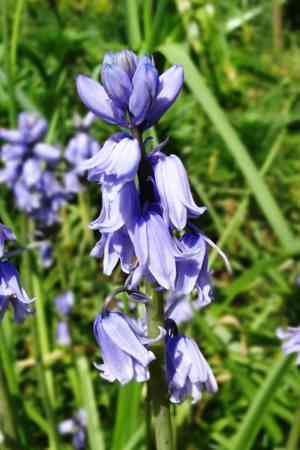
The ideal period for relocating spanish bluebell is from mid-spring to late spring, as this encourages peak development. Select a site featuring soil that drains effectively and receives either partial or complete sunlight. Carefully manage the root system during the transfer process to preserve its structure and guarantee a thriving specimen.
Essential Preparations Before Moving Spanish Bluebell
Optimal Period for Relocating Spanish Bluebell
The perfect window to move spanish bluebell is during mid to late spring. The warming weather offers an ideal environment, allowing the plant to establish itself and strengthen. Transplanting at this time ensures robust growth and vibrant blooms. Spanish bluebell will flourish with the nourishing spring sunlight and ample rainfall, setting the stage for a successful relocation. This strategic timing guarantees you experience spanish bluebell at its most lush and vivid.
Recommended Spacing Between Spanish Bluebell Plants
To provide spanish bluebell ample room for development, position them approximately 4-6 in (10-15 cm) apart. This spacing will enable the plants to spread and settle comfortably.
Best Soil Mixture for Spanish Bluebell Transplanting
For a thriving spanish bluebell, utilize well-draining, fertile soil enriched with a balanced, slow-release fertilizer. This combination will supply vital nutrients and aid in developing strong roots.
Ideal New Location for Your Spanish Bluebell
Select a garden spot with partial shade to ensure your spanish bluebell flourishes. Excessive direct sunlight can cause stress, while the right amount of shade will greatly benefit it.
Tools Required for Spanish Bluebell Transplantation
Gardening Gloves
To safeguard your hands from potential harm while handling the plant and soil.
Shovel/Spade
To carefully excavate the spanish bluebell plant without harming its root system.
Pruning Shears
To remove any damaged or deceased portions of the spanish bluebell plant.
Garden Fork
To loosen the soil at the intended new planting site.
Hose or watering can
For hydrating the spanish bluebell before and after its relocation.
Mulch
To maintain soil moisture and regulate root temperature for the transplanted spanish bluebell.
Wheelbarrow
To transport the plant from its original to its new spot, preventing unnecessary root strain.
Method for Extracting Spanish Bluebell from the Ground
Method for Extracting Spanish Bluebell from the Ground
From Ground: First, gently moisten the soil surrounding the spanish bluebell plant. Use a shovel or spade to dig around the plant, being careful not to harm the root ball. Carefully lift the plant from its initial location using the spade beneath the root ball.From Pot: Begin by watering your potted spanish bluebell plant. Once the soil is damp, gently tip the pot and ease the plant out. Avoid pulling the plant to prevent root damage. If the plant is stuck, you may need to tap the pot's sides or bottom to loosen the soil.From Seedling Tray: It's best to move spanish bluebell when they have at least two sets of true leaves. Gently hold the seedling by its leaves (not the stem) and use a spoon or small tool to lift it out with its roots and soil intact. Avoid touching the root ball as it is quite delicate.
Detailed Steps for Transplanting Spanish Bluebell
Site Preparation
For a large spanish bluebell, dig a planting hole twice the width of the root ball and equally deep. Smaller plants require shallower holes. Loosen the soil within the planting hole using a garden fork.
Plant Placement
Carefully position the spanish bluebell in the prepared hole. The top of the root ball should be flush with or slightly below the surrounding soil surface.
Backfilling
Refill half of the hole with the excavated soil, gently firming it around the base of the spanish bluebell. Water the plant and allow it to settle, then complete filling the hole.
Mulch Application
Once the transplanted spanish bluebell has been watered, it's beneficial to cover the soil with a layer of mulch. This helps protect the plant and maintain soil moisture and temperature.
Watering
After completion, thoroughly water the area. Mulch can help retain this moisture, providing the plant with a good initial hydration.
Post-Transplant Care for Spanish Bluebell
Watering
Ensure spanish bluebell receives adequate water in the weeks following transplantation. The top 1-2 inches of soil should remain moist.
Trimming
Consider removing any wilted or discolored leaves after about a week. These are likely due to transplant shock, and their removal can help the plant direct energy towards new growth.
Observation
Monitor daily progress. If any part of the spanish bluebell wilts or shows unusual color changes, it may require more attention, such as adjusting the watering routine or closer inspection for pests and diseases.
Resolving Common Issues with Spanish Bluebell Transplantation.
When is the optimal time to transplant spanish bluebell?
The best period to relocate spanish bluebell is in mid to late spring. During this time, the plant's growth cycle has resumed after winter, making it ready for a change in environment.
What spacing should I use for spanish bluebell plants during transplantation?
When moving spanish bluebell, aim to position each plant 4-6 inches (10-15 cm) apart. This provides them with sufficient room to grow and spread without overcrowding.
What kind of soil is necessary for successful spanish bluebell transplantation?
Spanish bluebell thrives in well-draining soil enriched with organic matter. If your soil is heavy or clay-based, enhance its texture and drainage with compost and sand.
How deep should I plant spanish bluebell when transplanting?
When transplanting spanish bluebell, ensure it is planted at the same depth as it was in its previous pot or location. The plant's crown should be at soil level.
Are there specific watering instructions after transplanting spanish bluebell?
Once you've moved spanish bluebell, water it thoroughly. In the subsequent weeks, keep the soil consistently moist, but avoid waterlogging. The plant does not tolerate dry conditions well immediately after transplanting.
What are the ideal light conditions for transplanting spanish bluebell?
Spanish bluebell prefers partial shade to full sun. Choose a location that receives dappled light throughout the day or direct morning light for optimal growth post-transplanting.
How can I tell if I'm overwatering or underwatering my transplanted spanish bluebell?
If spanish bluebell's leaves start to yellow or wilt, it could indicate overwatering. If the leaves shrivel and the plant isn't growing well, it might need more water.
Can I transplant spanish bluebell at any time of year?
Transplanting spanish bluebell is most successful in mid to late spring. It's advisable to avoid transplanting during the peak of summer or the cold of winter due to potential stress on the plant.
What kind of care should I provide spanish bluebell after transplanting?
After moving spanish bluebell, maintain consistent watering, ensure suitable light conditions, and occasionally feed it with a balanced liquid fertilizer until it becomes established.
Should I be concerned about pests and diseases after transplanting spanish bluebell?
Spanish bluebell is quite resilient, but you should still watch for common plant pests like aphids and diseases such as leaf spot. If you notice any unusual signs, act promptly.



