How to Transplant Common hyacinth?
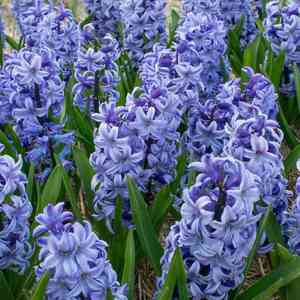
The ideal period for relocating common hyacinth is in early spring, benefiting from sufficient warmth and humidity. Select a site with good drainage and exposure to full sun or partial shade for optimal outcomes. If required, guarantee adequate distance between plants and safeguard their root systems for a successful transfer.
What Preparations are Needed Before Transplanting Common Hyacinth?
What is the Ideal Time for Transplanting Common Hyacinth?
The best time to move your common hyacinth is at the start of spring. This period promotes optimal growth due to warmer temperatures, enhancing the plant's flowering. Early spring transplanting gives common hyacinth ample time to establish roots and prepare for winter. By transplanting then, your common hyacinth can settle into its new spot before the main growing season, leading to more abundant blooms in future years.
How Much Space Should You Leave Between Common Hyacinth Plants?
For common hyacinth, it's best to provide them with adequate room to develop! Aim to space the plants approximately 6-8 inches (15-20 cm) apart when relocating, which will enable them to flourish and produce beautiful flowers.
What is the Best Soil Mix for Common Hyacinth Transplanting?
Your common hyacinth will thrive in well-drained soil rich in organic matter. Utilize a blend of loamy soil and compost or aged manure as a foundational fertilizer, which will help these attractive perennials grow strong and healthy.
Where Should You Relocate Your Common Hyacinth?
Sunlight is crucial for common hyacinth, so select a garden location that receives full sun or partial shade. Keep in mind that about 4-6 hours of daily sunlight will make your plants happiest and encourage lovely blooms.
What Equipments Should You Prepare Before Transplantation Common Hyacinth?
Gardening Gloves
Essential for protecting your hands while working with the soil and plant material.
Shovel or Spade
Aids in excavating the hole for the common hyacinth plant and removing it from its original position.
Garden Hose or Watering Can
To moisten the soil before and after the relocation process.
Wheelbarrow
To transport the excavated plant and move it to its new site.
Organic Mulch
To help maintain soil moisture and temperature following transplantation.
Gardening Pruners
To trim any excess or dead portions of the common hyacinth plant if necessary.
How Do You Remove Common Hyacinth from the Soil?
How Do You Remove Common Hyacinth from the Soil?
From Ground: Water the common hyacinth plant in its current spot to make the soil more workable. Use a shovel or spade to dig a generous trench around the plant, being careful not to damage the roots. Gently work the spade beneath the root ball to free the plant while keeping the roots intact.From Pot: Water the common hyacinth thoroughly, then invert the pot while supporting the plant's base. Gently tap the bottom and sides of the pot so the plant, along with its soil, should slide out.From Seedling Tray: Similar to pot removal, watering beforehand will facilitate the process. Carefully hold the common hyacinth at its base and gently twist and pull the plant from the cell.
Step-by-Step Guide for Transplanting Common Hyacinth
Hole Digging
Excavate a hole at the new site that is twice the width of the common hyacinth plant's root ball and of equal depth.
Arrangement
Position the common hyacinth plant in the center of the hole, ensuring the top of the root ball is level with the surrounding ground surface.
Backfilling
Refill the hole around the root ball with the excavated soil, gently compacting it as you go to eliminate air pockets.
Watering
Water the common hyacinth plant generously to settle the soil around its roots. It's important to moisten but not over-water, as waterlogged soil can lead to root rot.
Mulching
Apply some organic mulch around the plant to conserve moisture and regulate soil temperature.
How Do You Care For Common Hyacinth After Transplanting?
Hydration
Water common hyacinth thoroughly immediately after transplanting and continue regularly to help the plant establish itself. Remember, the soil should be consistently moist, not saturated.
Pruning
If the common hyacinth began to wilt post-transplant, consider trimming some of its leaves to reduce stress on the plant.
Weather Conditions
Try to avoid transplanting on days with harsh conditions such as strong winds or excessive heat as it can cause additional stress to common hyacinth.
Monitor Growth
Keep a close watch on common hyacinth for the next few weeks to observe its adaptation to the new environment. Note any signs of stress like wilting, leaf drop, or color change. Act promptly if you notice any of these indicators.
Troubleshooting Common Issues with Common Hyacinth Transplantation.
What's the best time of the year to transplant common hyacinth?
Generally, common hyacinth should be relocated as winter recedes, during the beautiful blooming period of early spring.
How much space should I leave between common hyacinth plants?
As a general guideline, ensure you maintain a friendly buffer of about 6-8 inches (15-20 cm) between each common hyacinth.
What should I do if the common hyacinth doesn't bloom after transplanting?
Don't worry! Verify if it's receiving the correct amount of sunlight, water, and nutrients. Adjust as needed and allow it time to acclimate to its new location.
How deep should I plant common hyacinth?
Ensure to plant common hyacinth bulbs approximately 4 inches (10 cm) deep. This promotes stronger growth and flowering.
What can I do if the leaves of common hyacinth become yellow post-transplanting?
This might indicate overwatering or a lack of nutrients. Reduce watering and consider adding a high-phosphorus fertilizer to help it regain its vitality.
Should common hyacinth be in the sun or shade?
Common hyacinth loves the sun! A sunny spot is ideal, but it can also tolerate partial shade. Adjust the location based on your garden's exposure.
What type of soil is ideal for transplanting common hyacinth?
Common hyacinth prefers well-draining soil. Consider incorporating organic matter or sand to enhance drainage if the soil is too heavy.
How can I tackle pests attacking my transplanted common hyacinth?
Utilize eco-friendly pesticides or biological controls like beneficial insects. Proper planting techniques and plant care can also minimize pests.
What happens if I miss the early spring transplanting period for common hyacinth?
Don't fret, you can still plant it in late spring. However, be prepared that the blooms might be less vigorous in the initial year.
What if I can't maintain the 6-8 inches (15-20 cm) spacing when transplanting common hyacinth?
Crowded common hyacinth may result in poor blooming. If you cannot maintain the recommended spacing, try to space them as far apart as your area permits.



