How to Transplant Oakleaf hydrangea?
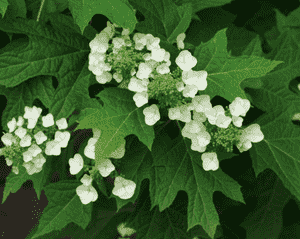
The ideal period for relocating oakleaf hydrangea is from late spring to early summer, which aids in robust root development. Select a spot with partial shade for oakleaf hydrangea to flourish. Carefully loosen the root ball during transplantation, facilitating an easy adjustment for the specimen.
What Preparations are Needed Before Transplanting Oakleaf Hydrangea?
What is the Ideal Time for Transplanting Oakleaf Hydrangea?
For oakleaf hydrangea, the optimal period for relocation is the transition from spring to early summer. Moving it during this time promotes root establishment and enhances blooming. Remember, timing is crucial, so don't stress, you've got this!
How Much Space Should You Leave Between Oakleaf Hydrangea Plants?
When planting oakleaf hydrangea, allow ample room for growth by spacing them approximately 6-8 feet (1.8-2.4 meters) apart. This ensures they have sufficient space to flourish and reach their full potential.
What is the Best Soil Mix for Oakleaf Hydrangea Transplanting?
To prepare the soil for oakleaf hydrangea, use a well-draining blend of loam, sand, and compost. A foundational fertilizer with a slow-release, balanced granular formula will supply essential nutrients for optimal development.
Where Should You Relocate Your Oakleaf Hydrangea?
To ensure oakleaf hydrangea receives adequate light, select a location with partial shade to full sun. However, protection from intense afternoon sun is vital, making an east or north-facing spot ideal.
What Equipments Should You Prepare Before Transplantation Oakleaf Hydrangea?
Gardening Gloves
Protect hands when handling the plant and working with soil.
Shovel or Spade
Useful for excavating oakleaf hydrangea from its original spot and preparing the new planting site.
Garden Trowel
Smaller than a shovel, it's perfect for removing smaller oakleaf hydrangea plants and operating in confined areas.
Pruning Shears
Used to trim any dead or unhealthy parts of the oakleaf hydrangea plant before and after transplantation.
Watering Can or Hose
Essential for keeping the plant hydrated.
How Do You Remove Oakleaf Hydrangea from the Soil?
How Do You Remove Oakleaf Hydrangea from the Soil?
From Ground: Begin by watering the oakleaf hydrangea to thoroughly moisten the soil. Then, with a shovel, carefully cut a wide circle around the plant to encompass most of the root ball. Drive the shovel or spade beneath the root ball, and gently lift the oakleaf hydrangea from the ground with its roots as intact as possible.From Pot: Water oakleaf hydrangea before starting the transplantation. Carefully tip the pot sideways and, with your hand on the soil, slide the oakleaf hydrangea out. It's crucial to avoid damaging the roots during this process.From Seedling Tray: Fill a container with water and submerge the seedling tray. The oakleaf hydrangea plants should float up. Gently pick them up by the leavesânot the stemâto preserve the root system.
Step-by-Step Guide for Transplanting Oakleaf Hydrangea
Digging Hole
The hole's size should be approximately double the root ball's width. Its depth should match the root ball's height.
Checking roots
Inspect the roots of oakleaf hydrangea carefully. If they are tightly coiled or 'pot-bound,' gently loosen them before planting.
Positioning Plant
Place oakleaf hydrangea in the center of the hole. It should sit at the same depth as it was in its original location.
Backfilling
Refill the hole with the excavated soil. Firmly press the soil around the base of oakleaf hydrangea to ensure it stands upright and to eliminate any air pockets.
Watering
Water the plant immediately after transplanting. This helps the soil settle and establishes contact with the roots.
How Do You Care For Oakleaf Hydrangea After Transplanting?
Mulching
Apply a 2-3 inch layer of mulch to retain moisture and suppress weeds. Keep the mulch an inch away from the stem to prevent rot issues.
Pruning
Pruning is not typically required for oakleaf hydrangea immediately after transplanting. However, if any branches die or appear unhealthy, prune them off to direct energy towards new growth.
Monitoring
Keep an eye on oakleaf hydrangea for leaf wilting, yellowing, or other indications of transplant shock. If any of these signs appear, consult a local nursery or extension service.
Troubleshooting Common Issues with Oakleaf Hydrangea Transplantation.
When is the optimal time to transplant oakleaf hydrangea?
Transplanting oakleaf hydrangea is best during the pleasant period between late spring and early summer when it's actively growing.
How far apart should I space oakleaf hydrangea when transplanting?
Ensure each oakleaf hydrangea has ample room to flourish by leaving a gap of 6-8 feet (1.8-2.4 meters) between each plant.
What soil adjustments can help oakleaf hydrangea thrive post-transplant?
Oakleaf hydrangea adapt best in well-drained soil with high organic content. Consider incorporating compost into the soil for added nutrients.
What's the ideal depth to plant oakleaf hydrangea seeds during transplanting?
Dig a hole about twice the width of the roots, but no deeper than the plant was previously growing.
How can I avoid transplant shock in oakleaf hydrangea?
Minimize transplant shock by retaining as much root soil as possible, and why not water it thoroughly following the move?
How do I choose the best location to transplant oakleaf hydrangea?
Oakleaf hydrangea thrive best in partial shade, so seek a spot that offers a few hours of direct sun and the rest shading.
What care measures should be taken after transplanting oakleaf hydrangea?
Provide oakleaf hydrangea with gentle careâthink frequent watering, light feeding with slow-release fertilizer, and mulch around the base.
How large a root ball should be maintained while transplanting oakleaf hydrangea?
Try to keep a generous root ball, around 10 inches (25 cm) in diameter, or larger for older plants.
What should I do if oakleaf hydrangea looks wilted after transplanting?
Don't panic; wilting can be a common response to transplant stress. Keep the soil moist and continue normal care.
What should I do if oakleaf hydrangea doesn't flower post-transplanting?
Flowering may be delayed post-transplant as oakleaf hydrangea focuses on root development. Patience, plus a healthy routine can reignite blooming.



