How to Transplant Native frangipani?
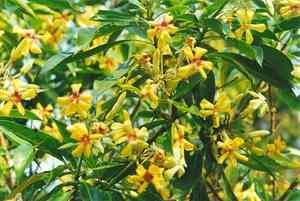
Relocate native frangipani during mid-spring for the most effective root development. Select a location that receives ample sunlight and has soil that drains efficiently. During the relocation process, minimize disruption to the roots to facilitate a seamless adjustment.
What Preparations are Needed Before Transplanting Native Frangipani?
What is the Ideal Time for Transplanting Native Frangipani?
The best time to move native frangipani is during mid to late spring. This period aligns with native frangipani's natural growth cycle, providing a mild yet stimulating environment that promotes strong root development. Transplanting native frangipani in this season leverages the plant's growing vigor, enabling it to recover smoothly from the relocation and flourish in its new spot. By selecting this optimal timing, you're setting native frangipani up for success, utilizing the soil's warmth and favorable weather, ensuring it grows robustly and vibrantly.
How Much Space Should You Leave Between Native Frangipani Plants?
When relocating native frangipani, ensure each plant has ample room. We suggest a spacing of 15-20 feet (4.57-6.10 meters) between them. This allows each plant to develop and spread comfortably.
What is the Best Soil Mix for Native Frangipani Transplanting?
For native frangipani, well-draining soil enriched with compost or organic material is perfect. Incorporate a balanced slow-release fertilizer at the base to supply essential nutrients as the plant settles.
Where Should You Relocate Your Native Frangipani?
Native frangipani thrives in sunny to partially shaded areas. Select a spot that receives at least a few hours of sunlight daily, but also offers some shade during the hottest parts of the day.
What Equipments Should You Prepare Before Transplantation Native Frangipani?
Gardening Gloves
To safeguard your hands while handling the plant and soil.
Garden Shovel or Spade
For excavating the plant from its original site and preparing the new location.
Garden Trowel
To assist with moving smaller quantities of soil during the relocation process.
Garden Knife or Pruning Shears
To cleanly sever any roots if necessary during the removal process.
Bucket of Water
To hydrate the native frangipani plant before and after its transfer.
Garden Hose or Watering Can
To ensure the soil remains moist during and after the transplanting process.
How Do You Remove Native Frangipani from the Soil?
How Do You Remove Native Frangipani from the Soil?
From Ground: Start by watering the native frangipani plant to soften the soil around its roots. Then, using a garden shovel or spade, dig a wide trench around the plant, being careful to keep the plant's root ball intact. Work the spade beneath the root ball, lifting it from its original spot.From Pot: If the plant is in a container, water it first to lessen stress. Gently tip the pot while holding the native frangipani at the stem's base and allow the plant and its soil to slide out. If needed, use a garden knife or shears to cut roots if they've become pot-bound.From Seedling Tray: When extracting seedlings, begin by watering the soil to facilitate removal. Then, gently hold the native frangipani at the stem's base and carefully pull it out. If seedlings have grown closely, use a thin object like a pencil to aid in the separation process to prevent damage to the young roots.
Step-by-Step Guide for Transplanting Native Frangipani
Preparation
Prepare the new planting site by digging a hole twice the size of the native frangipani's root ball. Loosen the soil at the bottom of the hole with your garden trowel to ensure roots can easily penetrate.
Placement
Position the native frangipani in the hole, making sure the top of the root ball is level with the ground. Begin backfilling the hole, gently firming the soil around the root ball.
Watering
Once the native frangipani is in place, water generously until the soil is saturated to reduce transplant shock. Repeat this process for a few weeks to help the plant establish itself in the new location.
How Do You Care For Native Frangipani After Transplanting?
Monitoring
After transplanting, regularly observe the native frangipani to ensure it is adapting well. The plant will require a consistent water supply to establish new roots. However, avoid overwatering to prevent root rot.
Pruning
If the native frangipani appears stressed after transplanting, consider lightly trimming the plant to reduce its water demands.
Weed Control
To minimize competition for nutrients, keep the area around the native frangipani free from weeds.
Troubleshooting Common Issues with Native Frangipani Transplantation.
When is the best time to transplant native frangipani?
The ideal period for relocating native frangipani is in mid to late spring (S2-S3). This provides the plant ample time to settle into its new spot.
How far apart should I space my native frangipani plants?
For healthy development, maintain a distance of approximately 15-20 feet (4.5-6 meters) between each native frangipani. This allows sufficient room for their canopies to expand.
What should I do if the leaves of native frangipani start to wilt after transplanting?
Wilting typically indicates stress. Maintain consistent soil moisture but avoid excessive watering. If wilting persists, consider moving it to a shadier location.
How deep should the planting hole be when transplanting native frangipani?
Native frangipani requires a hole that is twice the width of the root ball and equally deep. This allows roots to spread and grow comfortably.
Do I need to fertilize native frangipani immediately after transplanting?
Allow the native frangipani to adjust to its new environment first. Begin fertilizer application after two or three weeks, using a slow-release type specifically for perennials.
How should I care for native frangipani after transplanting?
After transplanting, ensure native frangipani receives sufficient water, especially during dry spells. Frequently check for pests or diseases and address any issues promptly.
Why is my newly transplanted native frangipani not flowering?
Newly transplanted native frangipani prioritize energy on root establishment. Be patient. With optimal care and conditions, it will resume normal flowering once it has settled.
What's the recommended sunlight exposure for transplanted native frangipani?
Native frangipani prefers full sun to partial shade. Ensure it receives at least 6 to 8 hours of sunlight daily for robust and vigorous growth.
Should I trim native frangipani after transplanting?
Yes, pruning encourages healthier, bushier growth. Trim back about a third after transplanting, focusing on damaged or overlapping branches to stimulate new growth.
How do I ensure the survival of native frangipani during winter after transplanting?
Although native frangipani is a resilient perennial, protect it during the first winter after transplanting. Use mulch to insulate its roots and provide extra water before the ground freezes.



