How to Transplant Dahoon?
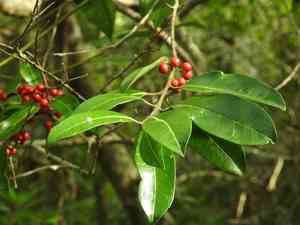
The most favorable period for relocating dahoon is the revitalizing season of spring, ensuring root development before the onset of warmer temperatures. Select a damp, adequately draining site that receives either partial or complete sun exposure. Careful manipulation of the root system will foster successful growth in its new environment.
Essential Preparations Before Relocating Dahoon?
Optimal Timing for Dahoon Relocation?
The prime time for moving dahoon is the spring season, offering a mix of mild temperatures and active growth. This allows roots to establish firmly before summer's heat.
Required Spacing Between Dahoon Plants?
When moving dahoon, ensure ample room! Each dahoon plant needs about 10-12 feet (3-3.7 meters) of space between them. This provides sufficient area for their development and thriving.
Best Soil Blend for Dahoon Relocation?
Before moving dahoon, enrich your soil with a suitable acidic fertilizer. Our dahoon plants prefer well-drained, acidic soil with a pH of 4.5-6. This promotes optimal growth!
Ideal Location for Your Dahoon?
Select a spot for your dahoon where they receive abundant sunlight! They thrive in full to partial sun. Therefore, a location with excellent sun exposure, particularly in the morning, would be perfect.
Equipment Needed Before Dahoon Transplantation?
Gardening Gloves
To safeguard your hands while handling the plant and soil.
Shovel or Spade
For excavating the plant from its original spot or preparing the new planting site.
Garden Fork
To loosen the earth around the plant's root system.
Wheelbarrow or Bucket
For moving the plant from its initial position to its new home.
Garden Knife
To sever roots if necessary.
Watering Can or Hose
To thoroughly hydrate the plant before and after its relocation.
Mulch
To regulate ground temperature and retain moisture post-transplant.
Soil pH Tester
Dahoon prefers slightly acidic soil; this tool helps verify the soil's pH levels.
Method for Extracting Dahoon from the Ground?
Method for Extracting Dahoon from the Ground?
From Ground: Begin by watering the dahoon plant to soften the earth. Using a shovel or spade, dig a wide trench around the plant, ensuring the root ball remains undamaged. Carefully work the spade beneath the root ball to lift the plant from its original spot. Keep as many roots intact as possible.From Pot: First, water the dahoon plant to moisten the soil, simplifying the removal process. Turn the pot on its side and tap its rim on a firm surface. Then gently ease the plant out of the pot. Avoid pulling the plant by its stem or leaves.From Seedling Tray: Water the dahoon to loosen the soil, then carefully remove the seedling by pushing up from the tray's bottom. Be cautious not to harm the roots or stem.
Step-by-Step Guide for Relocating Dahoon
Preparation
Prepare the new planting site by digging a hole twice as wide as the dahoon's root ball and as deep as the plant was growing previously.
Placement
Carefully position the plant in the new hole, ensuring the top of the root ball is level with the ground surface.
Backfill
Refill the hole with the excavated soil, gently firming it around the plant's base.
Water
Thoroughly water the dahoon plant after its relocation to help settle the soil.
Mulch
Apply 2 to 3 inches of mulch around the plant, keeping it a few inches away from the stem to prevent rot.
Monitor
Observe your dahoon plant closely during the initial weeks to ensure it adapts well to its new environment.
Post-Transplant Care for Dahoon?
Pruning
Initially, encourage root development over leaf growth in the dahoon plant. Achieve this by cutting back the top third of the plant after transplanting.
Watering
Maintain soil moisture but avoid waterlogging the area. Dahoon plants thrive in moist, well-drained conditions.
Pest Control
Regularly inspect your dahoon plant for pests or diseases. Early detection and treatment are crucial for the health and success of your newly transplanted specimen.
Support
If the dahoon plant is large, staking may be necessary to help it remain upright until it becomes established.
Resolving Common Dahoon Transplantation Issues.
When is the best time to move dahoon?
The ideal periods for moving dahoon are late winter, spring, and early summer, as this offers the highest chance of the plant thriving.
How much space should be between each dahoon when moving?
Ensure your dahoon plants have ample room to grow! Leave a gap of approximately 10-12 feet (3-3.7 meters) between each one.
Why might my dahoon not be thriving after relocation?
Transplant stress can hinder growth. Keep the soil moist, but not saturated, and ensure it's planted in well-drained soil. Also, recheck the spacing.
Is soil preparation necessary before moving dahoon?
Absolutely! Preparing the soil promotes a healthier dahoon. Incorporate organic matter into the hole and mix thoroughly before planting.
Why are the leaves of my recently moved dahoon turning yellow?
Excessive watering or poor drainage can cause yellowing leaves. Allow the soil to dry before the next watering, and ensure the planting area drains properly.
How do I transfer dahoon from a container to the garden?
Gently remove dahoon from the pot. Dig a hole twice the size of the root ball, place the plant in, cover with soil, and water it.
Is it necessary to trim the plant before moving?
Trimming isn't essential but can be beneficial, especially for larger dahoon. Removing some foliage reduces stress on the plant during the relocation process.
Can I move my dahoon in the middle of summer?
Moving dahoon in peak summer is not ideal due to heat stress. Stick to late winter, spring, or early summer for optimal results.
Why is my relocated dahoon wilting?
This could indicate transplant shock. Ensure the plant is well-watered (but not overwatered), in well-drained soil, and shielded from intense sunlight.
How deep should the hole be when moving dahoon?
Dig a hole twice the size of the root ball. This provides ample space for root growth and ensures the plant's successful establishment.



