How to Transplant Large gallberry?
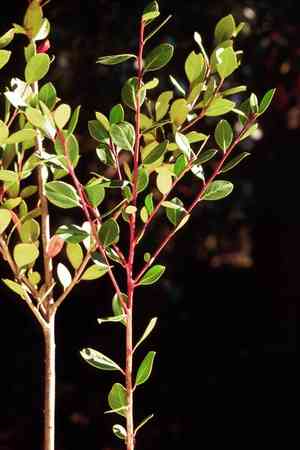
The most favorable period for transplanting large gallberry is when bright days and temperate conditions align, generally from mid-spring until the beginning of summer. Choose a location featuring adequately draining earth and dappled sunlight. Careful management of the root system during transfer encourages vigorous development.
Necessary Preparations Before Relocating Large Gallberry
When is the Best Time to Move Large Gallberry?
The optimal period for relocating large gallberry is during the favorable window of mild pre-summer days. This timeframe, typically from the warmth of late spring into the gentle start of early summer, offers moderate temperatures and stable conditions ideal for root establishment. Moving large gallberry at this time leverages the upcoming growing season, giving your plant ample opportunity to adjust and thrive in its new spot before the peak heat of summer or the cold of autumn.
What Spacing is Recommended Between Large Gallberry Plants?
Greetings! Prior to moving your large gallberry, it's wise to allow them ample room to flourish. Aim to position them approximately 4-6 feet apart (1.2-1.8 meters). This will provide sufficient space for development without overcrowding. Happy gardening!
What is the Optimal Soil Blend for Large Gallberry Relocation?
For your large gallberry, a well-draining and acidic soil composition is precisely what they require. Consider enriching your soil with a balanced, slow-release fertilizer. This preliminary effort will aid your large gallberry in rooting and flourishing!
Where Should You Replant Your Large Gallberry?
When selecting a new site for your large gallberry, choose an area with full to partial sun exposure. This means a location where the morning sun cheerfully greets them or where gentle afternoon light bathes their leaves. They'll appreciate it!
Equipment to Prepare Before Transplanting Large Gallberry
Gardening Gloves
To safeguard your hands while handling soil and plants.
Spade or Shovel
For excavating the plant and moving it.
Hand Trowel
Useful for smaller digging tasks and fine-tuning the plant's placement.
Wheelbarrow
To transport the large gallberry and soil.
Pruning Shears
To trim the plant if necessary.
Watering Can or Hose
To hydrate the plant before and after relocation.
Mulch
To aid in retaining soil moisture and reducing weed competition after transplant.
Rooting Hormone (optional)
To stimulate root development if transplanting from cuttings.
How to Extract Large Gallberry from the Ground
How to Extract Large Gallberry from the Ground?
From Ground: First, thoroughly water the large gallberry to moisten the soil. Next, use a spade or shovel to dig a wide trench around the large gallberry, being careful not to harm the root ball. Gently work the tool beneath the root ball to loosen it and carefully lift the large gallberry from its original spot.From Pot: Water the large gallberry completely. Place your hand on the soil surface with the plant stem between your fingers. Invert the pot and gently tap it to encourage the plant to slide out. If needed, run a hand trowel around the inner edge to help separate the root ball from the pot.From Seedling Tray: Dampen the soil in the tray. Use a spoon or a small stick to carefully remove individual large gallberry seedlings, ensuring a clump of soil with the roots remains intact to prevent root disturbance.
Step-by-Step Guide for Relocating Large Gallberry
Preparation
Gather all required tools and ensure they are clean to prevent disease spread. Wear gardening gloves to protect your hands throughout the process. Ensure the large gallberry's root ball is moist before beginning the transplant to minimize transplant shock and facilitate removal from soil, pot, or tray.
Digging the Hole
At the new planting site, use a spade or shovel to excavate a hole that is twice the width of the large gallberry's root ball and of the same depth. This encourages roots to spread and grow into the surrounding soil.
Placing the large gallberry
Position the large gallberry into the hole, ensuring that the top of the root ball is level with the surrounding soil. Adjust the depth by removing or adding soil as needed.
Filling the Hole
Backfill the hole with the excavated soil around the root ball, gently firming the soil to eliminate air pockets. Avoid tamping down too hard as this can compact the soil and impede root growth.
Watering
Thoroughly water the large gallberry after planting to settle the soil around the roots and help alleviate the stress of relocation.
Adding Mulch
Apply a layer of mulch around the base of the large gallberry to conserve moisture, regulate soil temperature, and reduce weed competition. Ensure the mulch is not directly against the stem to prevent rot.
Post-Transplant Care for Large Gallberry
Monitoring
Closely observe the large gallberry for indications of stress, such as wilting or discolored leaves, and take appropriate measures if necessary.
Watering
Until the large gallberry has established in its new location, ensure it receives sufficient water, especially during dry periods. Afterward, water according to the large gallberry's usual needs and local weather conditions.
Pruning
Once the large gallberry has acclimated to its new spot, prune any damaged or dead branches to encourage healthy growth and air circulation.
Staking (if needed)
If the large gallberry is tall or in a windy area, staking might be necessary to support it until its roots are strong enough to hold it upright independently.
Pest Protection
Watch for signs of pests and diseases and treat promptly to prevent them from affecting the newly transplanted large gallberry.
Resolving Common Issues with Large Gallberry Relocation.
What's the best time for large gallberry relocation?
For large gallberry, the ideal time to move is when spring transitions into summer, ensuring warmer soil and stable climate conditions.
How much space should I allow between large gallberry plants?
Aim for ample spacing between large gallberry plants, approximately 4-6 feet (1.2-1.8 meters), to provide them sufficient room for full development.
Why are my large gallberry plants wilting after being moved?
Wilting can occur if roots were damaged during relocation or if the plant isn't receiving enough water. Ensure careful handling and consistent moisture.
What soil conditions are favorable for large gallberry relocation?
Relocate large gallberry into well-drained soil rich in organic matter. A slightly acidic to neutral pH is perfect for robust growth.
Can large gallberry be moved into direct sunlight?
Direct sunlight might stress large gallberry post-relocation. Provide some shade if the sun is too intense during the initial settling period.
How deep should I dig for large gallberry relocation?
The new hole should be as deep as the root ball but twice as wide, allowing ample space for roots to expand without stress.
What's the best way to water large gallberry after relocation?
Water the base of large gallberry generously after relocation to settle the soil and hydrate the roots. Continue with regular, deep watering for establishment.
Should I fertilize large gallberry during relocation?
Avoid immediate fertilization as large gallberry needs time to adjust. Fertilize after a few weeks once the plant has settled and shows new growth.
When should I prune large gallberry during the relocation process?
Minimal pruning is recommended just to shape or remove damaged parts. Excessive pruning can stress large gallberry right after relocation.
How do I know if large gallberry is establishing well post-relocation?
A well-adjusting large gallberry will exhibit new growth, a strong upright posture, and healthy foliage, indicating a successful relocation process.



