How to Transplant Lusterleaf holly?
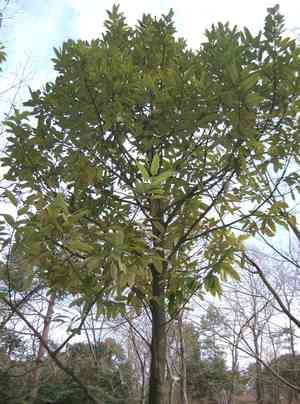
The ideal period for transplanting lusterleaf holly is during the mild transition of seasons, specifically in the pleasant warmth of late spring or as fall progresses into early winter. Select a site that receives ample partial to full sun exposure. When transferring lusterleaf holly, verify that the new environment replicates its preferred conditions, featuring aerated, acidic earth for robust development and successful rooting.
What Preparations are Needed Before Transplanting Lusterleaf Holly?
What is the Ideal Time for Transplanting Lusterleaf Holly?
Choose the calm periods of late spring or early winter, when lusterleaf holly's growth is inactive, to minimize stress and promote strong roots. This timing helps lusterleaf holly thrive, as moderate temperatures aid recovery and sufficient soil moisture ensures smooth adaptation to its new spot.
How Much Space Should You Leave Between Lusterleaf Holly Plants?
When relocating lusterleaf holly, provide ample room for development. Ideally, position them 6-12 feet (1.8-3.7 meters) apart. This gives each plant enough space to grow and prevents competition for resources.
What is the Best Soil Mix for Lusterleaf Holly Transplanting?
For a healthy lusterleaf holly, incorporate well-drained, slightly acidic soil with organic compost for a rich nutrient base. Before planting, enrich the site with a balanced slow-release fertilizer to give your lusterleaf holly an excellent start.
Where Should You Relocate Your Lusterleaf Holly?
Select a spot for your lusterleaf holly that gets full to partial sunlight. This ensures your lusterleaf holly receives the necessary energy while offering some shade during the hottest part of the day, for balanced exposure.
What Equipments Should You Prepare Before Transplantation Lusterleaf Holly?
Gardening Gloves
To safeguard your hands while handling soil and the plant.
Shovel or Spade
For excavating the plant from its original spot and preparing the new planting site.
Garden Fork
To loosen the soil around the root ball and to help aerate the soil in the new planting location.
Watering Can or Hose
To hydrate the lusterleaf holly both prior to and following transplantation.
Mulch
To assist in retaining soil moisture and keeping roots cool after transplanting.
Wheelbarrow or Tarp
For transporting the lusterleaf holly and containing soil during the process.
How Do You Remove Lusterleaf Holly from the Soil?
How Do You Remove Lusterleaf Holly from the Soil?
From Ground: First, moisten the lusterleaf holly plant's soil. Then, dig a wide trench around the plant with a shovel or spade, ensuring the plant's root ball stays intact. Carefully work the spade beneath the root ball to lift the plant from its original spot.From Pot: Water the lusterleaf holly thoroughly to facilitate its removal from the pot. Turn the pot on its side and gently slide the plant out. Avoid pulling the plant by its stem.From Seedling Tray: Dampen the soil in the tray to ease removal. Use a garden fork or a small tool to gently lift the lusterleaf holly from its compartment without harming the delicate roots.
Step-by-Step Guide for Transplanting Lusterleaf Holly
Prepare the New Location
Dig a hole in the ground that is twice as wide and equally as deep as the lusterleaf holly's root ball.
Inspect the Root Ball
Examine the root ball for any indications of disease or damage, and gently untangle any circling roots to encourage outward growth.
Position the lusterleaf holly
Carefully place the lusterleaf holly in the prepared hole, ensuring it stands upright and the top of the root ball is level with the surrounding soil surface.
Backfill the Hole
Fill in around the root ball with soil, gently pressing down to eliminate air pockets without over-compacting it.
Water Thoroughly
Water the lusterleaf holly generously immediately after transplanting to settle the soil and provide essential hydration.
Apply Mulch
Spread a layer of mulch around the base of the lusterleaf holly, keeping it away from the stem to prevent rot.
How Do You Care For Lusterleaf Holly After Transplanting?
Monitoring
Regularly check the lusterleaf holly for any signs of stress, such as wilting or yellowing leaves, and address issues promptly.
Watering
Keep the soil around the lusterleaf holly consistently moist, but not waterlogged, for the initial weeks after transplanting to help establish strong roots.
Mulching
Ensure that the mulch remains in place to regulate soil temperature and to retain moisture.
Support
If the lusterleaf holly is tall or top-heavy, stake it to provide support until the roots are strong enough to anchor the plant.
Pruning
Prune any damaged or diseased branches to help the lusterleaf holly focus its energy on establishing new roots.
Troubleshooting Common Issues with Lusterleaf Holly Transplantation.
What's the best time to transplant lusterleaf holly?
The ideal times for transplanting are during the cool evenings of late spring or the mild afternoons of early winter, before severe frost.
How far apart should lusterleaf holly be spaced when transplanting?
For optimal growth, lusterleaf holly should be given ample room to thrive, ideally spaced 6 to 12 feet (1.8 to 3.7 meters) apart.
Why are my transplanted lusterleaf holly leaves yellowing?
Yellowing leaves might indicate transplant shock, water stress, or nutrient deficiencies. Ensure proper watering, and consider a soil test for nutrient balance.
How deep should the planting hole be for lusterleaf holly?
Dig a hole twice as wide but just as deep as the root ball, ensuring lusterleaf holly's root flare sits slightly above soil level.
Should I prune lusterleaf holly before transplanting?
Pruning isn't required pre-transplant, but removing any dead or damaged branches can encourage healthy new growth post-transplant.
How much should I water lusterleaf holly after transplanting?
Water lusterleaf holly generously right after transplanting, then ensure it receives 1 to 1.5 inches (2.5 to 3.8 cm) of water weekly, especially during dry periods.
Why isn't my lusterleaf holly thriving after transplant?
Ensure lusterleaf holly isn't planted too deeply, is in well-draining soil, and isn't exposed to harsh winds or direct, hot sunlight immediately post-transplant.
How long should I wait to fertilize lusterleaf holly after transplanting?
Wait until lusterleaf holly shows signs of new growth before fertilizing, to allow the roots to settle and minimize the risk of burn.
What type of soil is best for lusterleaf holly?
Well-draining, fertile, and slightly acidic to neutral pH soil is ideal for lusterleaf holly, promoting a robust root system and healthy growth.
How can I ensure the survival of lusterleaf holly through winter post-transplanting?
Apply a layer of mulch about 2-4 inches (5-10 cm) deep around the plant, but not touching the trunk, to insulate and retain moisture.



