How to Transplant American holly?
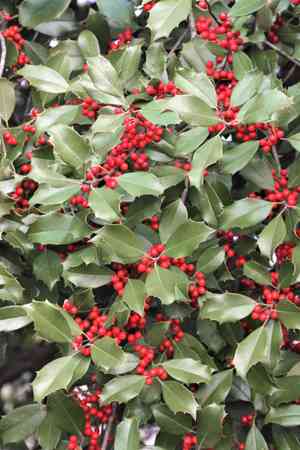
Relocate Ilex opaca during the mild revival of early spring to guarantee its flourishing. Choose a site with good drainage and exposure to partial or full sunlight for peak development. Bear in mind, it's a perennial favorite, so prepare the environment for its enduring attractiveness and appeal!
What Preparations are Needed Before Transplanting American Holly?
What is the Ideal Time for Transplanting American Holly?
For american holly, the optimal time for relocation is at the onset of spring. This season is perfect as it aids the plant's recovery from the stress of moving. By choosing this period, you promote strong root development and give american holly a head start for the year's growth. Be assured, american holly planted promptly in early spring guarantees a vigorous growth phase and abundant yield, making your transplanting efforts worthwhile. Your american holly will thrive!
How Much Space Should You Leave Between American Holly Plants?
Position your american holly specimens approximately 10-20 feet (3-6 meters) apart. This spacing ensures ample room for growth and expansion, while also facilitating proper air circulation.
What is the Best Soil Mix for American Holly Transplanting?
For american holly, utilize well-draining, slightly acidic soil with a pH range of 5.0-6.5. Incorporate compost or aged manure to enhance soil fertility, establishing a healthy, nutrient-rich foundation for your plants.
Where Should You Relocate Your American Holly?
Select a location for your american holly plants that receives full sun or partial shade. They require at least 4-6 hours of daily sunlight but can endure filtered shade, offering flexibility in your garden design.
What Equipments Should You Prepare Before Transplantation American Holly?
Shovel or spade
Used to excavate the american holly plant from its original spot, taking care not to harm the root ball.
Gardening Gloves
To safeguard your hands while handling soil and the plant.
Pruning Shears
Utilized to trim the american holly plant's branches to lessen shock during the move.
Watering Can or Hose
Necessary for hydrating the plant during and after transplantation to aid its establishment in the new site.
A suitable container or wheelbarrow
A device to transport the american holly plant from its old to its new location without damage.
How Do You Remove American Holly from the Soil?
How Do You Remove American Holly from the Soil?
From Ground: Start by irrigating the american holly plant to moisten the soil around the root ball, making it easier to work with. Use a shovel or garden spade to carefully dig around the plant, creating a wide circle to avoid damaging the roots. Once the trench is sufficiently wide and deep, gently go beneath the root ball with the spade and lift out the plant.From a Pot: If moving from a container, water it thoroughly, then tilt it sideways and lightly tap the sides to loosen the root ball. Carefully extract the plant, ensuring no harm comes to the roots.From a Seedling Tray: Water the tray, then gently remove the american holly seedling, making sure to keep the roots and attached soil intact. Hold the plant by its leaves rather than the stem during removal.
Step-by-Step Guide for Transplanting American Holly
Preparation
Ensure the new planting site is ready before you begin. The hole should be twice as wide and the same depth as the american holly plant's root ball.
Transplanting
Position the american holly plant in the hole, making sure it stands upright. The top of the root ball should be level with the surrounding soil surface.
Backfilling
Refill the hole with the excavated soil. Gently firm the soil around the root ball, but avoid excessive compaction.
Watering
After transplanting, thoroughly water the american holly plant to settle the soil around the root ball and eliminate any air pockets.
Mulching
Apply a layer of mulch around the base, ensuring it doesn't touch the trunk, to retain moisture and inhibit weed growth.
How Do You Care For American Holly After Transplanting?
Watering
Ensure the soil around the american holly remains consistently moist (but not waterlogged) for the initial weeks post-transplant to aid root establishment.
Dealing with Stress
Some wilting and leaf drop after relocation are normal. However, if the plant doesn't recover within a few weeks, consult a local nursery or extension service.
Fertilizing
Avoid applying fertilizer immediately after transplanting; wait several weeks to allow the american holly to recuperate and establish itself.
Pruning
Remove any dead or damaged sections to enhance overall growth and the plant's appearance.
Troubleshooting Common Issues with American Holly Transplantation.
When is the best time to transplant american holly?
The most suitable period for relocating american holly is early spring, immediately following the winter season.
How far apart should I space american holly when transplanting?
Aim to provide 10-20 feet (3-6 meters) between each american holly sapling to facilitate robust development.
What kind of soil is best for transplanting american holly?
Well-drained, acidic soil, rich in organic matter, provides the ideal environment for transplanting american holly.
How deep should I plant american holly sapling during transplantation?
The planting hole for american holly should be at least twice the size of its root ball.
Do I need to water american holly immediately after transplanting?
Yes, generously water american holly post-transplant to help the roots settle and mitigate transplant shock.
Should I prune american holly during the transplanting process?
Pruning is not mandatory, but removing some top growth can reduce stress on american holly during relocation.
What's the most effective method to transplant a mature american holly?
Relocating mature american holly is challenging. It's advisable to hire a professional to prevent damage to the tree's root system.
How can I reduce transplant shock in american holly?
Minimize transplant shock by prioritizing early spring relocation, keeping ample soil with the roots, and watering thoroughly after transplanting.
Can american holly survive if the transplantation is done during summer or winter?
Transplanting american holly in summer or winter can be risky. It's best performed in early spring for optimal survival rates.
Why are the leaves of my transplanted american holly turning yellow?
Yellowing leaves may indicate root distress from transplantation. Ensure american holly is adequately watered and in an appropriate soil type.



