How to Transplant Purple Anise?
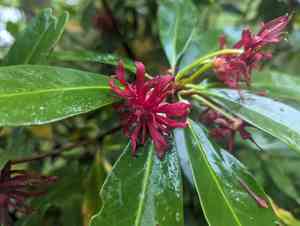
For purple Anise, the ideal period for relocation is from late spring to mid-summer's warmth, which aids in root development. Select a location featuring damp, adequately draining soil and partial sunlight. When moving the plant, proceed gently to lessen any disruption to its root system.
Essential Preparations Before Relocating Purple Anise
Optimal Timing for Moving Purple Anise?
Relocating purple Anise as late spring transitions into early summer provides the best conditions for growth, as warmer soil encourages robust root development. This timing also allows purple Anise to establish itself before peak summer heat, leading to vigorous growth with less strain. A helpful hint: this period offers mild weather and warm soil â an ideal environment for purple Anise's new garden spot. After transplant, purple Anise benefits from longer days, which are excellent for photosynthesis, boosting health and vitality. Furthermore, transplanting within this favorable window gives purple Anise ample time to settle in before winter.
Recommended Spacing Between Purple Anise Plants?
To ensure purple Anise has ample room to thrive, aim for a spacing of approximately 4-6 feet (1.2-1.8 meters) between each plant. This prevents competition for resources, fostering healthier development. You've got this!
Ideal Soil Blend for Purple Anise Transplantation?
Well-draining, acidic soil enriched with a good base fertilizer will greatly benefit your purple Anise. If your soil is more alkaline, simply incorporate peat moss or sulfur to increase its acidity. Remember, a strong start leads to a successful outcome!
Where to Replant Your Purple Anise?
Select a location that receives partial to full shade. Your purple Anise prefers less intense sunlight and will flourish in cooler conditions! Sunlight promotes growth, but moderation is key. Happy planting!
Tools Required for Purple Anise Transplantation
Gardening Gloves
To safeguard your hands while handling soil and purple Anise.
Spade/Shovel
For excavating purple Anise from its current spot and preparing a new planting hole.
Garden Trowel
To loosen the soil around and beneath the purple Anise.
Watering Can or Hose
To hydrate the purple Anise before and after the move.
Wheelbarrow or Bucket
For moving soil and the purple Anise itself.
Method for Extracting Purple Anise from the Ground
How to Extract Purple Anise from the Soil?
From Ground: First, water the purple Anise plant to moisten the soil, making it easier to dig without damaging roots. Next, use a spade or shovel to create a wide trench around the plant, ensuring the root ball remains intact. Then, carefully work the spade under the root ball to lift the purple Anise from its original position.From Pot: Initially, water the purple Anise plant in its container. Gently turn the pot on its side or upside down and lightly tap to release the purple Anise along with its root ball. If the plant doesn't slide out, try rolling the pot to loosen the soil and roots. Avoid pulling the plant stem.From Seedling Tray: Water the seedlings thoroughly before transplanting. Push the seedling upwards from the bottom of the tray, being careful not to pull on the stem of the purple Anise. The seedlings should easily come out into your hand.
Step-by-Step Guide for Relocating Purple Anise
Digging the Hole
Excavate a hole at the new site that is sufficiently wide and deep to accommodate the entire root ball of the purple Anise. A general guideline is to make the hole twice as wide as the root ball and deep enough so that the plant's base sits level with the ground surface when placed inside.
Positioning the Plant
Place the purple Anise in the center of the hole. Adjust its placement to ensure it stands upright and the top of the root ball is flush with the soil surface.
Backfilling the Hole
Once the purple Anise is correctly positioned, gently refill the hole with the excavated soil. Lightly firm the soil with your hands to prevent the plant from leaning.
Watering
Thoroughly water the area to help the soil settle around the roots.
Post-Transplant Care for Purple Anise
Consistent Watering
It is crucial to provide regular watering to the purple Anise after transplanting until it establishes itself in the new location. Always ensure the soil remains moist but not waterlogged.
Routine Inspections
Periodically check the purple Anise for any indications of transplant shock, such as wilting or yellowing leaves. In such instances, it may require additional care, like more watering or a change in position.
Mulching
Applying a layer of mulch around the base of the purple Anise plant can help retain soil moisture and stabilize temperature, creating a more favorable environment for growth.
Protection
Safeguard the plant from pests and harsh weather conditions by using organic pesticides or moving it to a more shaded spot during a heatwave.
Addressing Common Issues During Purple Anise Transplantation.
When is the best time to move purple Anise?
The optimal period to transplant purple Anise is during the middle to late growing season, typically between the third and fifth quarters (Q3-Q5).
What distance should be maintained between each purple Anise plant when transplanting?
For ideal growth, a spacing of 4 to 6 feet (1.2 to 1.8 meters) should be kept between individual purple Anise plants.
What signs indicate purple Anise is ready for relocation?
Generally, purple Anise is prepared for transplant when it exhibits substantial root system development. Sparse leaf formation might also suggest the need for a larger pot or ground space.
What kind of soil does purple Anise prefer for transplanting?
Purple Anise thrives in well-drained, acidic soil rich in organic matter. Amend your soil accordingly before transplanting.
What is the recommended planting depth for purple Anise during transplanting?
Dig a hole that is twice the width of purple Anise's root ball and of equal depth. The top of the root ball should be level with the soil surface.
Is it necessary to water purple Anise immediately after transplanting?
Yes, watering after transplanting is vital. Thoroughly saturate the root zone to help purple Anise settle into its new home and minimize initial transplant shock.
What is the best practice regarding sunlight for purple Anise immediately after transplanting?
Purple Anise prefers partially shaded or fully shaded areas. Therefore, after transplanting, position purple Anise in such locations for the best growth prospects.
How can I lessen the impact of transplant shock on purple Anise?
Water thoroughly, provide shade if possible, and refrain from fertilizing until new growth appears. This aids purple Anise in recovering from the stress of transplanting.
Can I transplant purple Anise while it is flowering?
While feasible, it's advisable to transplant during Q3-Q5 to reduce stress on the plants. Transplanting during flowering can negatively affect growth.
How should I care for purple Anise after transplanting?
Keep the soil consistently moist but not waterlogged. Protect from strong winds and intense sunlight. Prune only after new growth emerges.



