How to Transplant Spotted touch-me-not?
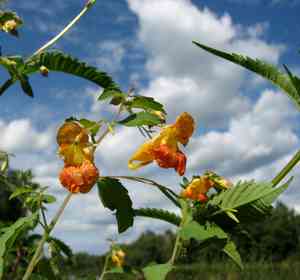
For optimal results, relocate spotted touch-me-not plants from late spring to midsummer, when temperatures are consistently warm, to ensure successful establishment in their new environment. Select areas offering partial shade and consistently damp soil, as spotted touch-me-not flourishes under these conditions. It is crucial to preserve the integrity of the root ball during this process to facilitate a less stressful adjustment.
What Preparations are Needed Before Transplanting Spotted Touch-me-not?
What is the Ideal Time for Transplanting Spotted Touch-me-not?
Moving spotted touch-me-not in late spring to early summer is advantageous as these periods offer mild temperatures and extended daylight, promoting vigorous development. The moderate weather minimizes transplant shock, ensuring a smooth transition.
How Much Space Should You Leave Between Spotted Touch-me-not Plants?
To provide adequate room for spotted touch-me-not to grow, aim for a separation of approximately 1-2 feet (30-60 cm) between each plant. This will allow your plants ample space to thrive without becoming overcrowded.
What is the Best Soil Mix for Spotted Touch-me-not Transplanting?
Prepare the soil for spotted touch-me-not by ensuring it drains well, yet retains moisture. Incorporating rich organic material or a slow-release, all-purpose fertilizer will supply the necessary nutrients for your plants.
Where Should You Relocate Your Spotted Touch-me-not?
Spotted touch-me-not flourishes in partial shade. Therefore, locate a spot in your garden that receives filtered sunlight throughout the day. Such areas often exist beneath trees, or on the side of your home that gets less direct sun.
What Equipments Should You Prepare Before Transplantation Spotted Touch-me-not?
Gardening Gloves
Although spotted touch-me-not is not known as a thorny or toxic plant, wearing gardening gloves will keep your hands clean and guard against any potential irritants found in your garden soil.
Trowel or Shovel
This tool will be used to both extract your spotted touch-me-not from its original spot and excavate the new hole in the ground.
Spade
To assist in lifting and moving the plant, ensuring it remains undamaged during the process.
Bucket or Wheelbarrow
Depending on the size of your spotted touch-me-not, this will be utilized to transport the plant and its root ball to the new location.
Watering Can or Hose
This will be employed to thoroughly water spotted touch-me-not both before and after transplanting to ensure it is well-hydrated and to settle the soil.
Mulch
This is applied to cover the soil surface around the plant after transplanting, helping to maintain soil moisture and inhibit weed growth.
Stakes and Ties
If your spotted touch-me-not is a larger specimen, these will be used to support the plant and prevent it from falling over after transplanting until its roots are established.
How Do You Remove Spotted Touch-me-not from the Soil?
How Do You Remove Spotted Touch-me-not from the Soil?
From Ground: Start by watering the spotted touch-me-not to moisten the soil and lessen transplant shock. Using a trowel or shovel, carefully dig around the plant, ensuring you are far enough away to avoid damaging the root system. The goal is to keep the root ball intact. With a spade, transfer the spotted touch-me-not to a bucket or wheelbarrow for transport.From Pot: Similarly, begin by watering the spotted touch-me-not to moisten the soil. Gently tip the pot on its side and, protecting the plantâs stem with one hand, carefully slide the spotted touch-me-not and its root ball out of the pot. If the plant is stuck, you may need to tap the pot's edges to loosen it.From Seedling Tray: Water the seedlings to facilitate easier removal. Carefully lift the spotted touch-me-not by the leaves (never the stem) and gently ease the seedling and its roots out of the tray. If the seedling roots are intertwined with others, use a small, blunt tool like a butter knife or popsicle stick to untangle the roots without causing harm.
Step-by-Step Guide for Transplanting Spotted Touch-me-not
Removal Preparation
Gently water your spotted touch-me-not to moisten the soil, which minimizes stress during the transplanting process. Clear the new planting area of any debris or unwanted plants.
Digging a New Hole
With your trowel or shovel, excavate a hole that is twice as wide and the same depth as the plant's root ball.
Placement
Carefully position your spotted touch-me-not in the hole, ensuring the top of the root ball is level with the ground surface. Spread out the roots if your plant was previously pot-bound.
Backfilling
Refill the hole with soil, gently firming it around the base of the spotted touch-me-not to keep it upright and to eliminate any air pockets.
Water Thoroughly
Once transplanted, thoroughly water your spotted touch-me-not to settle the soil around the roots.
Adding Mulch
After watering, apply a layer of mulch around the spotted touch-me-not (without touching the plant stem) to retain soil moisture and deter weeds.
Support If Necessary
For taller spotted touch-me-not, use stakes and ties to provide support and help the plant remain upright as it establishes its roots in its new home.
How Do You Care For Spotted Touch-me-not After Transplanting?
Well-Hydrated
It's crucial to keep spotted touch-me-not adequately hydrated but not waterlogged, especially in the initial weeks after transplanting, to aid the plant's root establishment. Watering should be thorough, allowing the water to reach the plantâs entire root system.
Weeding
Regularly check for and remove any weeds around your spotted touch-me-not that might compete for resources.
Inspection
Routinely examine the spotted touch-me-not for signs of pests or diseases, and treat accordingly if symptoms appear.
Staking
If your spotted touch-me-not is tall, ensure the stakes remain in place until the plant is well-established and can support itself.
Pruning
Lightly trim the spotted touch-me-not to encourage denser growth and a neater habit, but avoid heavy pruning immediately after transplanting to reduce stress.
Feeding
Approximately six weeks after transplanting, begin feeding your spotted touch-me-not with a suitable plant food to encourage healthy growth and flowering, unless already included in previous steps.
Troubleshooting Common Issues with Spotted Touch-me-not Transplantation.
What's the best time of year to transplant spotted touch-me-not?
The optimal period for transplanting spotted touch-me-not is between late summer and early autumn (S3-S5). This provides the plant with the best chances of survival and growth.
How much space should I leave between each spotted touch-me-not plant?
To ensure each spotted touch-me-not has ample room to grow and thrive, it's best to allocate a space of 1-2 feet (30-60 cm) between each plant.
What should I do if my transplanted spotted touch-me-not isn't growing well?
Signs of poor growth might be due to transplant shock. Keep the plant well-watered, avoid direct sunlight, and give it sufficient time to adjust.
How should I prepare the soil for transplanting spotted touch-me-not?
Before transplanting, enrich the soil with organic matter like compost. This will provide necessary nutrients to spotted touch-me-not and aid in its growth.
What steps should I follow when transplanting spotted touch-me-not?
When transplanting, first dig a hole twice the size of the root ball. Place spotted touch-me-not into the hole, ensuring the top of the root ball is level with the soil, then backfill with soil.
How much water does spotted touch-me-not need after being transplanted?
Spotted touch-me-not requires consistent watering after transplanting. Keep the soil moist but avoid over-watering, as this can lead to root rot.
How do I ensure the roots of my spotted touch-me-not plant aren't damaged during transplanting?
Be gentle when handling spotted touch-me-not. Avoid disturbing the roots as much as possible during the transplant process to reduce the risk of damage.
What kind of sunlight does spotted touch-me-not prefer?
Spotted touch-me-not prefers a mix of shade and indirect sunlight. Protecting it from harsh afternoon sun can prevent leaf scorching and other potential issues.
What should I do if the leaves of spotted touch-me-not are yellowing after transplanting?
If spotted touch-me-not's leaves are turning yellow, it might be receiving too much water. Allow the soil to dry out a bit between waterings to correct the issue.
When will my transplanted spotted touch-me-not start flowering?
With optimal conditions, your transplanted spotted touch-me-not should begin flowering in its next growth cycle. This can vary based on environmental factors, but generally occurs within a few months post transplantation.



