How to Transplant New guinea impatiens?
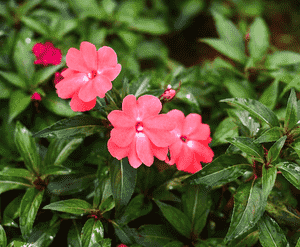
Relocate your New Guinea Impatiens preferably between mid-spring and late spring, since the elevated temperatures and extended daylight hours offer optimal cultivation circumstances. Select a spot with filtered sun exposure, soil that drains effectively, and arrange them in groupings for superior outcomes. Enjoy your transplanting!
What Preparations are Needed Before Transplanting New Guinea Impatiens?
What is the Ideal Time for Transplanting New Guinea Impatiens?
The optimal period for relocating new guinea impatiens extends from early to late spring. During this timeframe, the moderate conditions foster excellent growth, promoting robust roots and vivid blooms. It's a joy to witness your new guinea impatiens flourish beautifully after transplant, promising a fulfilling gardening experience.
How Much Space Should You Leave Between New Guinea Impatiens Plants?
When moving new guinea impatiens, provide ample room for development by spacing them 1-2 feet (30-60 cm) apart. This ensures proper air circulation and allows them to absorb necessary nutrients for peak growth.
What is the Best Soil Mix for New Guinea Impatiens Transplanting?
Prepare the soil for new guinea impatiens with a well-draining, peat-based potting mix enriched with compost or aged manure. Incorporate a slow-release fertilizer, such as a 14-14-14 blend, to supply essential nutrients throughout the growing season.
Where Should You Relocate Your New Guinea Impatiens?
Locate a spot for new guinea impatiens that receives partial to full shade, as they are prone to sunburn if exposed to intense sunlight all day. Morning sun and afternoon shade can be an ideal garden placement.
What Equipments Should You Prepare Before Transplantation New Guinea Impatiens?
Gardening Gloves
To protect your hands from dirt, debris, or sharp objects while handling soil and plants.
Shovel or Hand Trowel
To excavate a suitably sized hole for the new guinea impatiens plant.
Pruning Shears
These will be useful if you need to remove any unattractive or damaged sections of the new guinea impatiens plant before transplanting.
Watering Can
Creating a welcoming environment in the new site both before and after relocation.
How Do You Remove New Guinea Impatiens from the Soil?
How Do You Remove New Guinea Impatiens from the Soil?
From the Ground: Start by thoroughly watering the new guinea impatiens plant to loosen the soil, which simplifies the extraction process. Once the soil is moist, begin digging a wide trench around the plant using your shovel or trowel, ensuring the root ball remains undamaged. Gently slide your tool beneath the root ball and carefully lift the plant without harming its roots.From a Pot: Begin by watering the new guinea impatiens plant. Tilt the pot sideways and carefully ease the plant out, taking care not to damage the root ball.From a Seedling Tray: Gently water the tray and use a thin stick or your fingers to lift the new guinea impatiens plant from its cell or section, again being careful to avoid damaging the delicate roots.
Step-by-Step Guide for Transplanting New Guinea Impatiens
Choosing the Right Time
The optimal time to transplant new guinea impatiens plants is in the early morning or late afternoon to avoid extreme midday temperatures.
Digging Holes
Use your shovel or trowel to excavate a hole in the chosen location, ensuring it is twice the width and the same depth as the plantâs root ball.
Placing the Plant
Position the new guinea impatiens plant into the hole, adjusting it so it sits at the same depth as it grew previously.
Backfilling
Refill the hole with the original soil, gently tamping it down around the plantâs base.
Watering
Generously water the plant using your watering can, ensuring the water is evenly distributed around the base.
How Do You Care For New Guinea Impatiens After Transplanting?
Monitoring
Closely observe your new guinea impatiens plant for the initial few weeks after transplanting. Look for signs of stress like wilting or leaf drop, and take appropriate action (such as providing shade or extra watering) as needed.
Feeding
Wait for at least three weeks before applying any additional fertilizer to prevent damaging sensitive roots.
Pruning
Remove any spent flowers or leggy growth as this will encourage a bushier habit and more blooms.
Troubleshooting Common Issues with New Guinea Impatiens Transplantation.
When is the best season to transplant new guinea impatiens?
New guinea impatiens thrives when transplanted in the ideal period of mid to late spring. This timing allows them sufficient time to adjust before the summer heat arrives.
What is the ideal space separation for new guinea impatiens when transplanting?
New guinea impatiens requires space to develop. Achieve the best results by spacing them approximately 1-2 feet (30-60 cm) apart during transplanting. This aids their growth.
What type of soil does new guinea impatiens prefer?
New guinea impatiens flourishes in well-draining soil. When transplanting, prepare the bed with rich, organic material and ensure the soil pH is between 6.0 to 6.5.
How deep should I plant new guinea impatiens during transplanting?
The planting hole should match the depth of the new guinea impatiens root ball. Plant at the same level as the surrounding soil for optimal growth.
How much sun does new guinea impatiens need after transplanting?
New guinea impatiens prefers a location with partial shade to full sunlight. Excessive direct sunlight could lead to leaf scorch, so select the site carefully.
How often should I water new guinea impatiens after transplanting?
New guinea impatiens prefers consistent moisture but not waterlogging. Water regularly, especially during dry periods, while ensuring not to over-water the plant.
What kind of fertilizer should I use for new guinea impatiens post transplantation?
New guinea impatiens benefits from a balanced all-purpose fertilizer. Apply it once a month during the growing season for an abundance of vibrant flowers.
Should I prune new guinea impatiens post transplantation, and when?
Pruning is generally not essential for new guinea impatiens. However, you can pinch back the stems to encourage a bushier growth habit after the plant has become established.
How can I protect new guinea impatiens against pest and disease after transplanting?
Keep new guinea impatiens clean and monitor for common pests. Use organic pesticides if necessary, and ensure adequate air circulation to prevent diseases.
What should I do if new guinea impatiens shows signs of wilting after transplanting?
If new guinea impatiens wilts after transplanting, it might be due to water stress. Adjust your watering schedule, provide partial shade, and ensure the soil drains effectively.



