How to Transplant Common jasmine?
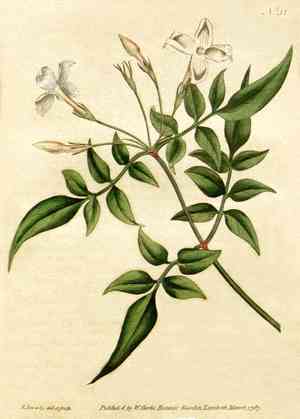
Relocate common jasmine after the winter cold recedes, specifically in the mild temperatures of mid-to-late spring, to ensure the best root development. Select a sunny location featuring soil that drains effectively, carefully guiding its roots into a nurturing new environment.
Necessary Preparations Before Relocating Common Jasmine
Optimal Period for Common Jasmine Relocation?
The best time to move common jasmine is from mid to late spring. This timeframe offers ideal temperatures for root development, avoiding the stress of intense heat. Transplanting common jasmine during this window ensures it benefits from the mild spring weather, allowing roots to establish comfortably before summer's heat intensifies. With gentle warmth and increasing daylight, common jasmine can focus its energy on building a strong root system. This strategic timing sets the stage for vigorous growth and abundant blooms in subsequent seasons. Furthermore, spring rains naturally hydrate the newly transplanted common jasmine, reducing the need for frequent manual watering.
Required Spacing Between Common Jasmine Plants?
The initial step for transplanting common jasmine involves proper spacing. Select a location where you can plant it with a gap of approximately 3-6 feet (0.91-1.83 meters). This provides ample room for the mature plant to thrive.
Ideal Soil Blend for Common Jasmine Transplanting?
The perfect soil for common jasmine is well-drained yet retains moisture. Light and sandy soils are excellent. Before transplanting, enrich your soil with organic compost or a balanced base fertilizer to ensure robust growth.
Where to Position Your Common Jasmine?
Finally, select a site for your common jasmine where it receives full sun or partial shade. Excessive direct sunlight can harm it, yet some is necessary for blooming. A spot with morning or late afternoon sun would be ideal.
Equipment Needed Before Transplanting Common Jasmine
Gardening Gloves
To safeguard your hands from sharp implements or thorny branches when handling the common jasmine plant.
Shovel or Spade
Required for excavating the hole to transplant your common jasmine. It can also aid in lifting the plant from its original spot.
Garden Trowel
Smaller than a spade, used for breaking up soil, digging small holes, and removing weeds.
Gardening Shears or Pruners
To remove dead or undesirable branches from the common jasmine plant.
Watering Can
To hydrate common jasmine before and after the process to ensure its health during transplantation.
Wheelbarrow or Container
To transport the plant to its new location without causing damage.
Stakes and Ties
If your common jasmine plant is a climber, these may be necessary to provide additional support after transplantation.
How to Extract Common Jasmine from the Soil?
How to Extract Common Jasmine from the Soil?
From Ground: Before removing the common jasmine plant from the ground, water it to moisten the soil. Using a shovel or spade, dig a wide trench around the plant, ensuring its root ball remains intact. Gradually work the spade beneath the root ball to lift the plant.From Pot: If the plant is in a pot, water it thoroughly and wait until the water has drained. Hold the base of the plant, invert the pot, and gently ease the plant out. Avoid pulling the plant as this may damage the roots.From Seedling Tray: Similar to removing from a pot, water the common jasmine in the seedling tray. Use a small trowel or spoon to loosen the soil around the edges. Gently lift the seedling out, taking care to avoid harming the delicate roots.
Detailed Steps for Transplanting Common Jasmine
Prepare the Planting Site
Before transplanting, dig a hole twice as wide and nearly as deep as the common jasmine plant's root ball. Amend the soil in the hole with compost if it lacks organic matter.
Position the Plant
Carefully place the common jasmine plant in the hole, ensuring the top of the root ball is level with the soil surface. Gently spread out the roots in the hole to encourage growth.
Backfill the Hole
Fill in the hole with soil, pressing down gently to eliminate any air pockets.
Water Abundantly
After transplanting, water the common jasmine plant generously but carefully to minimize shock to the plant.
Provide Support if Needed
For a climbing common jasmine plant, stake it after transplantation to offer support and promote vertical growth.
Post-Transplant Care for Common Jasmine
Watering
Keep the soil around the common jasmine moist but not waterlogged. Excessive watering can lead to root rot. Also, watering frequency may vary with the seasons.
Pruning
Remove dead or diseased branches to encourage healthy growth. This also helps maintain the shape of your common jasmine plant.
Pest Inspection
Always look for signs of pests or diseases. Early detection can protect your common jasmine plant from potential harm.
Support
For the climbing common jasmine variety, ensure the stakes are robust enough to support your plant as it grows. Replace or add stakes if necessary.
Patience
Transplanting can stress common jasmine, and it may take time for it to adapt to its new environment. Be patient and provide the necessary care during this period.
Resolving Common Issues with Common Jasmine Transplantation.
When is the best time to transplant common jasmine?
Late spring to early summer (S2-S3) is the ideal period for transplanting common jasmine. This allows ample time for root establishment before winter.
What is the recommended spacing for transplanting common jasmine?
For common jasmine, a distance of 3-6 feet (approximately 0.9-1.8 meters) is advised. This provides sufficient room for the plants to grow and spread.
What should I avoid when transplanting common jasmine?
Avoid damaging the roots during common jasmine transplantation. Also, it's best not to transplant during extreme weather conditions like heavy rain or frost.
Should I water common jasmine immediately after transplanting?
Yes, thorough watering of common jasmine after transplanting is essential. It helps settle the soil around the roots, promoting better nutrient absorption.
What is the best soil type for transplanting common jasmine?
Common jasmine prefers rich, well-drained soil. Ensure the transplant hole is prepared with a good mix of compost and garden soil.
Can I use fertilizer when transplanting common jasmine?
Yes, applying a slow-release fertilizer can encourage healthy growth after transplanting. However, avoid over-fertilizing as it may harm the plant.
Why are the leaves of my transplanted common jasmine turning yellow?
Yellow leaves could indicate water stress. If your transplanted common jasmine is underwatered or overwatered, adjust your watering schedule accordingly.
Why is my transplanted common jasmine not growing?
Stunted growth can be due to various factors, such as incorrect spacing, poor soil conditions, insufficient watering, or plant disease. Evaluate each potential cause.
What is an appropriate pot size for transplanting common jasmine?
Depends on the plant size, but typically, a pot 2-3 times the root ball's diameter, about 10-12 inches (25-30 cm), should be adequate.
Should I prune my common jasmine after transplanting it?
Not immediately! Allow common jasmine to establish for a few weeks first. Later pruning will stimulate growth and help maintain an attractive shape.



