How to Transplant Mountain laurel?
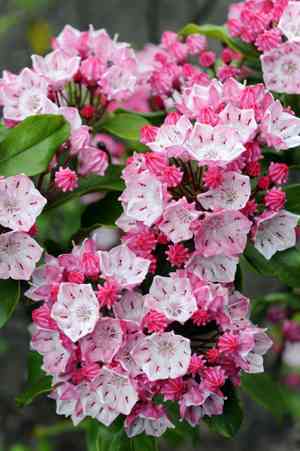
To achieve optimal outcomes, relocate mountain laurel within the ideal period from mid-spring to early summer, when temperatures are moderate. Select a site featuring soil that drains effectively and receives partial sunlight. Bear in mind, a delicate approach is crucial during transplantation to prevent harm to the roots.
Necessary Preparations Before Relocating Mountain Laurel
Optimal Period for Mountain Laurel Relocation?
The ideal window for moving mountain laurel extends from mid-spring through early summer. This timeframe is perfect for promoting robust root development and successful establishment. Utilizing this period ensures your mountain laurel flourishes, producing vibrant colors and denser growth. Transplanting mountain laurel at the right moment enhances its resilience to temperature shifts and pests. The mild warmth and extended daylight of this season encourage rapid recovery and vigorous growth for mountain laurel. Remember, a timely transplant leads to a thriving mountain laurel!
Required Spacing Between Mountain Laurel Plants?
When moving mountain laurel, ensure a separation of 3-6 ft. (0.9-1.8 m) between them. This provides these beautiful perennials ample room to thrive and showcase their stunning blossoms!
Best Soil Blend for Mountain Laurel Transplanting?
For mountain laurel, select well-draining, slightly acidic soil, with a pH ranging from 4.5 to 6.0. Enhance the soil with organic matter, such as compost or peat moss, and consider incorporating a balanced slow-release fertilizer to foster strong, healthy development.
Where to Replant Your Mountain Laurel?
Choose a spot for mountain laurel that receives partial to full sun, ensuring at least 4-6 hours of daily sunlight. These adaptable plants also tolerate some shade, making them an excellent option for borders or shaded garden areas.
Equipment Needed Before Transplanting Mountain Laurel?
Gardening Gloves
To safeguard your hands while working with soil and supporting the mountain laurel.
Spade or Shovel
For excavating the plant's original site and preparing the new ground location.
Pruning Shears
To remove any diseased or damaged roots and stimulate new growth.
Watering Can or Hose
For hydrating the plant after its relocation.
Wheelbarrow
To transport the mountain laurel plant from its initial spot to the new one if necessary.
Garden Fork
To loosen the soil in the new area and blend in organic material if required.
How to Extract Mountain Laurel from the Soil?
How to Extract Mountain Laurel from the Soil?
From Ground: First, water the mountain laurel plant to moisten the soil. Second, use a shovel or spade to dig a wide circle around the plant to keep the root ball intact. Carefully work the spade beneath the root ball to lift the plant without harming the roots.From Pot: Water the plant thoroughly, then tilt the pot sideways, gently pulling the plant by the base of the main stem. Be careful not to pull by the stem or leaves to prevent damage.From Seedling Tray: Use a soft tool like a spoon or spatula to carefully lift the seedling, ensuring to include as much of the root and soil as possible. Do this after watering the tray to ensure the soil adheres to the roots.
Step-by-Step Guide for Relocating Mountain Laurel
Preparation
Ensure the new site has a hole prepared that is twice as wide and the same depth as the mountain laurel plant's rootball.
Placement
Position the mountain laurel plant in the center of the hole, making sure the top of the root ball is level with the ground surface.
Backfill
Gently refill the hole, compacting the soil as you go to eliminate any air pockets.
Watering
Once the mountain laurel plant is in place, water it thoroughly. Ensure the water penetrates deeply and doesn't just run off.
Monitoring
Observe the plant closely for the initial few weeks to confirm it is adapting to its new environment.
Post-Transplant Care for Mountain Laurel
Watering
Ensure the soil around the mountain laurel plant remains consistently moist but not waterlogged for the first few weeks following transplantation.
Checking for Stress Indicators
Watch for any wilting, yellowing leaves, or stunted growth. These signs might suggest the plant is struggling to adjust to its new location. Contact your local nursery or a gardening specialist for advice if needed.
Pruning
Wait for new growth to appear before undertaking any pruning. This aids the mountain laurel plant in recovering from the stress of relocation.
Resolving Common Issues with Mountain Laurel Transplantation.
When is the best time to move my mountain laurel?
The ideal period to give your mountain laurel a new home is from mid-spring to early summer, when conditions are mild.
What's the appropriate spacing for mountain laurel plants?
It's advisable to maintain a distance of 3-6 ft. (0.9-1.8 m) between your mountain laurel plants. This will provide them ample room to develop.
Which soil type is optimal for transplanting mountain laurel?
Mountain laurel thrives best in well-drained, acidic soil. Enrich the soil with organic matter for the healthiest development.
Why has my relocated mountain laurel wilted?
Wilting after relocation often points to root disturbance. Try to avoid damaging the roots when moving the plant and provide sufficient water post-transplant.
Should I trim my mountain laurel before moving it?
Not necessarily. Pruning can stress the plant if not done correctly. However, removing damaged or diseased parts would be beneficial.
Is immediate watering necessary for my mountain laurel after transplanting?
Yes, you should water mountain laurel thoroughly after transplanting. However, prevent waterlogging as it can harm the plant.
Why are the leaves of my mountain laurel turning yellow after relocation?
Yellow leaves could indicate plant stress or overly alkaline soil pH. Verify all conditions, including soil, water, and light.
How deep should I plant mountain laurel in its new spot?
Plant mountain laurel at the same depth it was growing in its previous location. Too deep can cause root suffocation, too shallow can expose roots.
How should I manage the root ball when transplanting mountain laurel?
The root ball requires careful handling. If the roots are compacted, gently loosen them, but be careful not to break them.
Can I fertilize mountain laurel right after transplanting?
It's best to wait a few weeks before fertilizing to prevent root damage. When you do fertilize, use one suitable for mountain laurel's requirements.



