How to Transplant Purple dead-nettle?
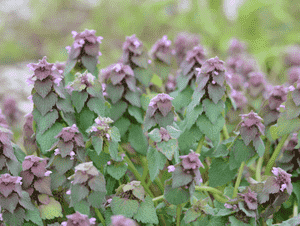
The optimal period for relocating purple dead-nettle is when new growth emerges from mid-spring through the initial weeks of summer. Choose a shaded location with damp earth, taking care to preserve the root ball for a smooth establishment.
What Preparations are Needed Before Transplanting Purple Dead-nettle?
What is the Ideal Time for Transplanting Purple Dead-nettle?
Choose the favorable period of late spring to early summer for relocating purple dead-nettle â a time optimal for development. This timeframe offers purple dead-nettle sufficient warmth and consistent growing conditions, promoting root establishment prior to the peak summer heat. By placing purple dead-nettle within this supportive window, you'll give them the best opportunity for vigorous growth, utilizing nature's cycle for peak health.
How Much Space Should You Leave Between Purple Dead-nettle Plants?
For purple dead-nettle, aim for a separation of approximately 1 foot (30 cm) between each plant when moving them. This provides ample room for each plant to grow and thrive without competing with one another.
What is the Best Soil Mix for Purple Dead-nettle Transplanting?
Purple dead-nettle prefers rich, well-draining soil. Ensure your soil has a suitable structure to allow for proper water runoff. Incorporate a balanced base fertilizer (such as 10-10-10) before planting to supply the initial nutrient boost required by purple dead-nettle.
Where Should You Relocate Your Purple Dead-nettle?
Select a location with full sun to partial shade for purple dead-nettle. They are not particular about light conditions, but they do appreciate some sun - though not too much! Remember, a thriving plant is a healthy plant.
What Equipments Should You Prepare Before Transplantation Purple Dead-nettle?
Gardening Gloves
To safeguard your hands while handling soil and purple dead-nettle.
Shovel or Spade
To excavate purple dead-nettle from its original spot and prepare the new planting hole.
Pruning Shears
To trim any lifeless or damaged parts of purple dead-nettle before and after relocation.
Watering Can
To adequately hydrate purple dead-nettle throughout all phases of the transplanting process.
Gardening Trowel
To make precise adjustments to the positioning of purple dead-nettle in its new environment.
Wheelbarrow
To move the purple dead-nettle from its previous location to the new one, especially if the plant is large.
How Do You Remove Purple Dead-nettle from the Soil?
How Do You Remove Purple Dead-nettle from the Soil?
From Ground: Begin by watering the purple dead-nettle plant to moisten the earth. Then, using a spade or shovel, dig a wide circle around the purple dead-nettle, ensuring the root ball remains intact. Gently work the spade beneath the root ball to lift the purple dead-nettle from its current spot.From Pot: Water the purple dead-nettle thoroughly before extracting it from the container. Turn the pot on its side, hold the purple dead-nettle gently at the base, and slide the root ball out. If the plant is stuck, you might need to tap the bottom of the pot.From Seedling Tray: Water the seedlings first to loosen the soil. Then, use a gardening trowel or a small spoon to carefully lift the purple dead-nettle seedling, making sure to keep as many roots as possible intact.
Step-by-Step Guide for Transplanting Purple Dead-nettle
Preparation
Clear the transplant area by removing any debris or unwanted plants. Then, use a shovel to dig a hole that is twice as wide and equally deep as the purple dead-nettle's root ball.
Arrangement
Place the purple dead-nettle in the hole, ensuring the top of its root ball is level with the ground surface. Backfill the hole with the excavated soil, gently firming it around the purple dead-nettle to eliminate air pockets.
Water Thoroughly
Immediately after planting, provide purple dead-nettle with ample water; this will aid the roots in establishing themselves in their new location.
Monitoring
Observe purple dead-nettle closely over the subsequent weeks, looking for indications of transplant shock.
How Do You Care For Purple Dead-nettle After Transplanting?
Watering
Ensure the soil surrounding purple dead-nettle remains consistently moist, but not waterlogged, during the initial weeks post-transplant to encourage strong root development.
Pruning
Remove any dead or damaged sections to help purple dead-nettle direct its energy towards new growth, which will also prevent diseases.
Pest Control
Regularly inspect purple dead-nettle for pests, which could jeopardize its health, especially while it is recovering from transplant stress. Use a mild insecticidal soap if necessary.
Protection
If transplanting occurs in a colder season, consider using a plant cover or a thick layer of mulch around purple dead-nettle to shield it from potential low-temperature damage.
Troubleshooting Common Issues with Purple Dead-nettle Transplantation.
When is the ideal time for transplanting purple dead-nettle?
The best time for transplanting purple dead-nettle is between season 3 and season 5. This is when the weather is neither too cold nor too hot, providing optimal growing conditions.
What is the optimal spacing when transplanting purple dead-nettle?
Make sure to maintain a distance of approximately 1 foot (30 cm) between each purple dead-nettle. This allows them ample room to expand and grow without competing for resources.
How deep should I plant purple dead-nettle when transplanting?
When transplanting purple dead-nettle, the hole should be twice as wide as the root mass and equally deep. This will give the roots an excellent start to spread out.
How should I prepare the soil for transplanting purple dead-nettle?
The soil should drain well. If the soil is heavy clay or sandy, enriching it with compost will improve its structure and boost its nutrient content, giving purple dead-nettle a healthy beginning.
Should I water purple dead-nettle immediately after transplanting?
Yes, provide ample watering for purple dead-nettle after transplanting. This helps settle the soil around the roots and minimizes transplant shock. However, avoid saturating the soil.
Can I use fertilizer when transplanting purple dead-nettle?
While purple dead-nettle doesn't demand much fertilizer, a light application of balanced organic fertilizer can stimulate growth. But be cautious with quantities to prevent excessive nitrogen, which could harm purple dead-nettle.
Why are my transplanted purple dead-nettle wilting?
Wilting after transplant is a common sign of transplant shock. Maintain consistent watering but avoid overwatering. If the issue persists, evaluate the soil's quality and sun exposure.
How do I handle purple dead-nettle while transplanting to prevent damage?
When transplanting purple dead-nettle, carefully remove it from its original pot without pulling on the stems. Hold it by the root ball and handle it gently during the transplanting process to prevent harm.
How can I help my transplanted purple dead-nettle to establish quickly?
Sufficient watering, proper spacing, and well-amended soil can help purple dead-nettle establish rapidly. Also, ensure purple dead-nettle receives the appropriate amount of sunlight for its needs.
Why are the leaves of transplanted purple dead-nettle turning yellow?
Yellowing leaves can indicate overwatering or poor drainage. Ensure the soil drains effectively. Also, check for pests or diseases, as these can cause discoloration in purple dead-nettle.



