How to Transplant Bleeding heart?
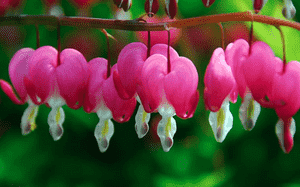
For effective relocation, bleeding heart flourishes when moved during the peak period of early to late spring. To guarantee ideal development, select a spot with partial shade and soil that drains efficiently. If necessary, enhance the planting site with organic material to foster more robust roots.
What Preparations are Needed Before Transplanting Bleeding Heart?
What is the Ideal Time for Transplanting Bleeding Heart?
Begin relocating bleeding heart from early spring through its later stages. This allows bleeding heart to establish itself prior to summer. Moving it within this timeframe enables bleeding heart to fully adjust to new surroundings and promotes optimal growth. Rest assured, it's the best approach for bleeding heart's vigorous development!
How Much Space Should You Leave Between Bleeding Heart Plants?
For a successful relocation, position your bleeding heart plants approximately 18-24 inches (45-60 cm) apart. This provides ample room for growth and expansion without resource competition.
What is the Best Soil Mix for Bleeding Heart Transplanting?
Ensure your soil is rich, drains well, and has a slightly acidic pH between 6.0-6.5. Incorporating some compost or organic matter would be perfect. Utilize a balanced, slow-release fertilizer as a foundation for an extra boost.
Where Should You Relocate Your Bleeding Heart?
Locate a garden spot with partial to full shade – bleeding heart plants do not thrive in direct sunlight. Additionally, select a site protected from strong winds to shield their delicate stems and foliage.
What Equipments Should You Prepare Before Transplantation Bleeding Heart?
Gardening Gloves
To protect your hands when working with soil and plants.
Shovels or Spades
Used for carefully removing the plant from its original spot and for digging at the new location.
Gardening Trowel
For managing smaller amounts of soil, useful when handling seedlings or young plants.
Watering Can
To supply the necessary water to the plant during and after the relocation.
Organic Mulch
To safeguard the plant's root system and maintain soil moisture.
Burlap
To wrap the root ball during transport for larger plants, preserving moisture and holding the soil together.
How Do You Remove Bleeding Heart from the Soil?
How Do You Remove Bleeding Heart from the Soil?
From Ground: First, water the bleeding heart plant to dampen the soil. Then, dig a wide trench around the plant using a shovel or spade, ensuring the plant's root ball remains intact. Gently work the spade beneath the root system to lift the plant from its initial position.From Pot: Begin by watering the bleeding heart plant in its container. Carefully invert the pot while supporting the plant's base with your hands, then tap the bottom of the pot lightly. The plant should slide out, retaining most of the pot's soil and root ball.From Seedling Tray: Water the tray first, then gently loosen the soil around the bleeding heart seedling. Carefully lift each seedling by its leaves, not the stem, to prevent damage.
Step-by-Step Guide for Transplanting Bleeding Heart
Preparation
Water the bleeding heart in its original location before the actual move. Pre-watering ensures maximum root moisture and facilitates easier removal.
Hole Digging
Excavate a hole twice the size of the bleeding heart's root ball in your chosen planting site.
Planting
Gently place the bleeding heart into the hole, making sure the top of the root ball is level with the ground. Backfill the hole with soil, gently firming it around the plant's base.
Watering
Thoroughly water the bleeding heart immediately after transplanting, ensuring the soil settles without air pockets around the roots.
Mulching
Spread a 2 to 3-inch layer of organic mulch around the base of the bleeding heart to retain soil moisture and reduce weed competition.
How Do You Care For Bleeding Heart After Transplanting?
Consistent Watering
Ensure continuous soil moisture for the first few weeks after relocating the bleeding heart, but avoid waterlogging, which can lead to root rot. Adjust watering based on weather, more frequently in hot or dry conditions.
Inspect for Pests and Diseases
Regularly check the bleeding heart for any early indications of pests or diseases. Some stress is normal immediately after a transplant, but persistent wilting or discoloration requires prompt attention.
Pruning
Remove dead or damaged leaves from the bleeding heart to maintain its health and encourage denser growth.
Yearly Feeding
Feed the bleeding heart in early spring with a slow-release, balanced fertilizer to support healthy development. Avoid immediate feeding after transplant; the plant needs time to establish its roots in the new location.
Troubleshooting Common Issues with Bleeding Heart Transplantation.
When's the perfect season to transplant bleeding heart?
The optimal time to move your bleeding heart is during early to late spring.
What's the ideal distance between bleeding heart when transplanting?
When relocating bleeding heart, maintain a spacing of approximately 18-24 inches (45-60 cm) between each plant.
I've transplanted bleeding heart but it's drooping. What should I do?
Don't fret! Drooping is typical after transplanting. Continue regular watering and monitor its growth. It should recover shortly.
Does bleeding heart require special soil for transplantation?
Bleeding heart prefers well-drained soil rich in organic matter. If your soil is poor, enrich it with compost before transplanting.
How deep should I dig for transplanting bleeding heart?
Excavate a hole that is twice as wide and equally deep as the bleeding heart's root ball.
Do I need to prune bleeding heart before transplantation, and how much?
Yes, lightly prune bleeding heart prior to relocation to encourage bushier growth. Remove about one-third of each stem.
How often should I water the bleeding heart after transplanting?
Water bleeding heart thoroughly after transplanting, and regularly thereafter. Prevent the soil from drying out but also avoid waterlogging.
Should I add mulch after transplanting bleeding heart?
Absolutely! Mulch helps conserve moisture, reduce weeds, and regulate soil temperature. Apply about 2-3 inches (5-7.5 cm).
What is the best way to handle root ball of bleeding heart while transplanting?
Handle with care to prevent damage. Gently loosen the roots and spread them out in the hole before covering with soil.
Do I need to fertilize bleeding heart after transplanting?
Yes, to promote growth. Use a balanced, slow-release fertilizer, but avoid over-fertilizing. Excessive nutrients can harm bleeding heart.



