How to Transplant Japanese larch?
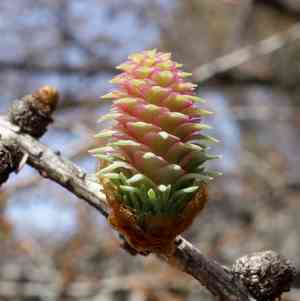
The most favorable period for relocating japanese larch is in early spring, coinciding with nature's revitalization. Choose a bright spot featuring soil that drains effectively to foster vigorous development. Carefully managing the root system will facilitate an effortless adjustment.
Essential Preparations Before Relocating Japanese Larch?
Optimal Timing for Moving Japanese Larch?
The best time for relocating japanese larch is in early spring or when mid-spring's warmth begins. This schedule allows japanese larch to establish strong roots in cooler temperatures, ensuring a smoother transition before summer heat. Moving japanese larch during this season provides the plant with the full growing period to settle, promising a thriving future while minimizing plant stress.
Required Spacing Between Japanese Larch Plants?
For japanese larch, maintain a separation of approximately 20-30 feet (6-9 meters) between each specimen. This distance enables them to develop unhindered, extending their branches without competition. It might seem extensive, but japanese larch requires this room to flourish freely!
Ideal Soil Blend for Japanese Larch Relocation?
Japanese larch prefers soil that drains well and is slightly acidic. Before moving, enrich your planting area with a layer of compost or organic material. This step enriches the soil, providing a fertile foundation for japanese larch. Happy planting!
Choosing a New Location for Your Japanese Larch?
Japanese larch thrives in sunlight but also appreciates some shade. Therefore, select a spot for japanese larch where it receives partial to full sun exposure throughout the day. This location should not be too shady or too sunny, just the right balance for japanese larch to prosper.
Equipment Needed Before Transplanting Japanese Larch?
Shovel or Spade
This tool will be used to excavate the hole for the japanese larch and to extract it from its original spot.
Gardening Gloves
To safeguard your hands while handling soil and the plant.
Garden Hose or Watering Can
Crucial for hydrating the japanese larch after its relocation.
Gardening Knife
You might need this to carefully loosen the root ball if the japanese larch is initially in a container.
Wheelbarrow
Useful for transporting the japanese larch from its initial position to its new site.
How to Extract Japanese Larch from the Ground?
How to Extract Japanese Larch from the Ground?
From Ground: Ensure the new planting site is prepared before unearthing the japanese larch. Once ready, water the japanese larch plant to moisten the soil. Use a spade or shovel to dig a wide trench around the plant, being careful to keep the root ball intact. Gradually work the spade beneath the root ball and gently lift the japanese larch from the ground.From Pot: Water the potted japanese larch and lay it on its side. Gently tap the pot's sides and bottom to loosen the root ball and slide it out. If the roots are tightly packed, use a gardening knife to carefully separate them.From Seedling Tray: Water the seedlings thoroughly beforehand. Gently lift the japanese larch seedling from the tray by holding its leaves, not its stem. Use a knife or prong to loosen the surrounding compost to preserve as much root as possible.
Step-by-Step Guide for Relocating Japanese Larch
Preparation
Trim any damaged roots or unnecessary growth. This allows the japanese larch to focus on establishing roots in its new environment.
Placement
Position the japanese larch in the prepared hole, ensuring it is no deeper than it was in its previous location. You can achieve this by making the root crown level with the ground.
Backfilling
Refill the hole with the original soil mixed with some compost, gently firming it around the base of the japanese larch.
Hydration
Gently water the plant, saturating the soil around the root ball. This will help the soil settle around the roots.
Observation
Closely monitor the japanese larch for the first few weeks. Until established, it may require additional watering, especially during dry spells.
Post-Transplant Care for Japanese Larch
Watering
Keep the soil around the japanese larch plant consistently damp, but not waterlogged, for the initial weeks after transplanting to encourage strong root development.
Monitoring
Observe the japanese larch's new foliage and growth. Signs of distress include yellowing leaves and stunted development. Consult a gardening expert if these issues persist.
Protection
Depending on its location, the japanese larch plant might be vulnerable to wind damage, pests, or excessive sun exposure. Consider using a windbreak or shade cloth if needed, and remove pests promptly upon discovery.
Addressing Common Issues with Japanese Larch Relocation.
What is the optimal season for moving japanese larch?
The ideal time to relocate japanese larch is during S1-S2. This provides the tree ample time to develop new roots before the summer heat.
How much distance should I maintain between each japanese larch when relocating?
Ideally, there should be a gap of about 20-30 feet (6-9 meters) between each japanese larch to ensure they have sufficient room to grow.
What action should I take if japanese larch is not thriving after relocation?
Ensure the japanese larch is receiving adequate sunlight and water. Too much or too little of either can hinder growth. Also, check the soil quality.
How can I prevent root damage during japanese larch relocation?
Carefully dig as deep and wide as the root spread when moving japanese larch. Handle the root ball gently to minimize root damage.
Why are the leaves of my relocated japanese larch turning brown?
Browning leaves may indicate transplant shock. Ensure the japanese larch is properly watered, receiving ample sunlight, and the soil is not compacted.
How do I correct a japanese larch that has been planted too deeply?
If japanese larch has been planted excessively deep, gently excavate it and adjust its depth so that the root flare is level with or slightly above the soil surface.
Should I prune japanese larch before or after relocation?
You should prune japanese larch just before relocating. This reduces the plant's water requirements and can prevent stress and shock.
How do I prepare the planting site for japanese larch?
Prepare a hole two to three times the diameter of the root ball and of equal depth. Incorporate organic matter into the excavated soil to enhance soil quality.
Can I apply fertilizers immediately after relocating japanese larch?
It's best to postpone fertilizer application until after japanese larch has had a chance to establish new roots. This typically takes a few weeks to several months.
How vital is proper drainage when relocating japanese larch?
Proper drainage is essential to prevent root rot. If water in the planting hole does not drain within 24 hours, consider resolving the drainage issue or moving the japanese larch.



