How to Transplant French lavender?
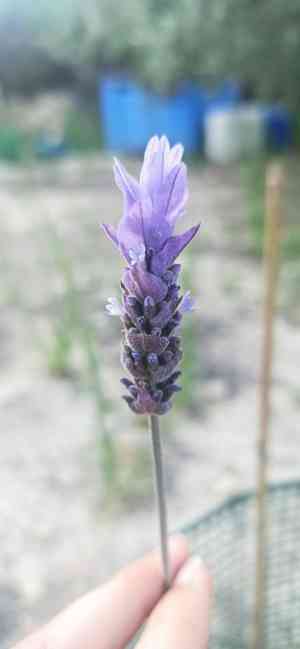
The ideal period for relocating french lavender falls between the beginning and middle of spring, or from late autumn to early winter, as these times facilitate superior root development. When moving the plant, select a bright spot featuring soil that drains effectively. Additional advice: Incorporate organic material to enhance soil quality if required. Enjoy your gardening!
What Preparations are Needed Before Transplanting French Lavender?
What is the Ideal Time for Transplanting French Lavender?
The optimal period to relocate french lavender is when winter's chill transitions into spring's renewal or as autumn's warmth mellows into winter's onset. This allows french lavender to establish its root system prior to temperature extremes. Envision the satisfaction of seeing your french lavender flourish and bloom under your careful attention. Therefore, remember, early to mid-spring, or late fall into early winter, is the perfect time for transplanting french lavender.
How Much Space Should You Leave Between French Lavender Plants?
When moving french lavender, provide ample room for air circulation and growth by spacing them 1-2 feet (30-60 cm) apart. This ensures sufficient airflow and space for them to thrive.
What is the Best Soil Mix for French Lavender Transplanting?
For french lavender, select a soil that drains well, ideally a blend of sand, loam, or soil with some gritty material. Incorporate organic compost or a slow-release fertilizer to boost nutrients and encourage robust growth.
Where Should You Relocate Your French Lavender?
Choose a sunny spot for transplanting french lavender, where it can receive at least 6 hours of direct sunlight daily. Full sun exposure will help this perennial plant prosper and produce beautiful lavender flowers.
What Equipments Should You Prepare Before Transplantation French Lavender?
Gardening Gloves
To safeguard your hands while handling the plant and soil.
A Spade
This is a small, hand-held digging tool used to create both the initial and final planting holes for french lavender.
Pruning Shears
This implement is ideal for removing any dead or overgrown parts of french lavender before relocation.
Watering Can
Necessary for hydrating french lavender after it has been moved.
Mulch
To safeguard the base of french lavender following its transplantation.
How Do You Remove French Lavender from the Soil?
How Do You Remove French Lavender from the Soil?
From Ground: First, moisten the french lavender's soil to soften it. Use a spade to carefully excavate around the root ball. Endeavor to keep the root ball intact as you gently work the spade beneath it to lift the plant.From Pot: Begin by tilting the container sideways, then lightly tap its base to dislodge french lavender. If this proves ineffective, you might need to cut the pot away from the plant, taking care not to harm the roots.From Seedling Tray: Gently press the bottom of each cell to extract the french lavender. Consider using a table knife to separate the seedling from the cell edges if it's too snug.
Step-by-Step Guide for Transplanting French Lavender
Digging
Excavate a hole twice as wide and as deep as the root ball of your french lavender. This provides ample room for the roots to spread and establish themselves.
Preparation
Pour some water into the hole and allow it to soak in, ensuring the french lavender's roots won't encounter dry soil, but avoid creating a water pool at the bottom. Verify if your spade can easily move through the filled hole. If not, you might need to remove some stones.
Placement
Position french lavender into the hole. The top of the root ball should be level with or slightly above the surrounding soil to prevent waterlogging.
Backfill
Refill the area around the root ball with the excavated soil. Ensure the french lavender stands upright and the root ball is completely covered.
Watering
Thoroughly water the french lavender, saturating the root ball and the adjacent soil to help the plant settle.
Mulching
Apply mulch around the base of french lavender, keeping it clear of the stem to deter rot from excessive moisture.
How Do You Care For French Lavender After Transplanting?
Pruning
Trim any dead or excessively long branches to maintain french lavender's form and encourage growth. This should be done sparingly, and remember not to remove more than one-third of the plant at a time.
Watering
Water the french lavender when the top inch of soil becomes dry. Carefully monitor the plant's water intake for the initial weeks until new growth appears, indicating successful transplantation.
Protection
Watch for pests or diseases that could harm your newly placed french lavender. If any signs are observed, take immediate action based on the specific issue.
Frost
As french lavender is susceptible to frost, provide protection such as a frost cloth or blanket during colder months.
Troubleshooting Common Issues with French Lavender Transplantation.
When would be the best timing to transplant french lavender?
Aim to transplant french lavender in either early to mid-spring or late fall to early winter. These periods offer the most favorable conditions for the plant's establishment.
What's the preferable spacing for french lavender during transplanting?
Ensure french lavender is positioned approximately 1-2 feet (30-60 cm) apart. This spacing supports healthy development and allows ample air circulation, reducing disease risk.
Why is my transplanted french lavender wilting?
Wilting may be due to transplant shock, especially if moving french lavender from a controlled environment. Help it adapt by gradually exposing it to outdoor conditions.
How deep should the hole be for transplanting french lavender?
Aim for a hole twice as wide and the same depth as the root ball. This ensures french lavender roots have sufficient space to spread and establish.
My transplanted french lavender looks yellow, what could be wrong?
Yellowing can indicate overwatering. Ensure french lavender is planted in well-drained soil and water only when the top 1 inch (2.5 cm) of soil feels dry to the touch.
What type of soil does the french lavender prefer for successful transplanting?
French lavender prefers well-draining soil with a neutral to slightly alkaline pH. Enriching the soil with organic matter will enhance its nutrient content and water retention.
Can I transplant french lavender in the hot summer?
Relocating french lavender during the peak of summer can stress the plant. If necessary, choose a cooler part of the day and keep the soil consistently moist.
What can I do to strengthen a newly transplanted french lavender?
Trimming the upper growth of a newly transplanted french lavender can encourage root establishment by minimizing its water and nutrient demands.
Why isn't my transplanted french lavender flowering?
Flowering can be secondary in freshly transplanted french lavender as it redirects resources to root development. Applying balanced fertilizers can support the blooming process.
My french lavender leaves have spots after transplantation, what to do?
Spotted leaves can indicate disease or pest infestation. Keep your french lavender well-spaced for proper aeration and consider using a suitable organic fungicide or pesticide if needed.



