How to Transplant Lovage?
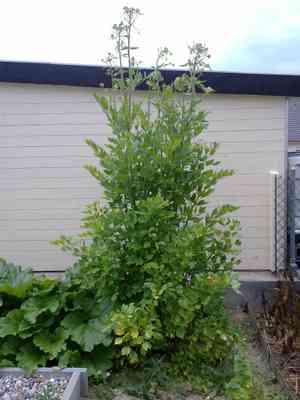
The ideal period for relocating lovage spans from early spring through late spring, facilitating vigorous development. Select a sunny location featuring fertile, damp earth. When dividing, carefully separate the root systems to promote health.
What Preparations are Needed Before Transplanting Lovage?
What is the Ideal Time for Transplanting Lovage?
The prime period to establish lovage in your garden spans from the initial signs of spring to the flourishing days of late spring, or more precisely, 'from when winter's chill recedes until summer's vigor emerges.' This timeframe ensures the soil is workable and receptive, allowing lovage to establish roots firmly before the summer heat. Moving lovage during this window leverages its growth cycle, providing a strong foundation for vigorous development. Additionally, the mild temperatures and increasing daylight offer an ideal environment for lovage's roots to take hold.
How Much Space Should You Leave Between Lovage Plants?
Greetings, gardening enthusiast! Before introducing your lovage to its new home, let's ensure it has ample room to thrive. Aim for a comfortable distance between each plant of approximately 6 to 12 feet (1.8 to 3.6 meters). This guarantees that each lovage receives the necessary space to develop robustly.
What is the Best Soil Mix for Lovage Transplanting?
For your lovage, let's prepare a welcoming bed for it to settle into. Choose rich, well-draining soil as a starting point. Prior to planting, enrich the soil with a balanced organic fertilizer – consider it a nutrient-rich meal for your plant's root system!
Where Should You Relocate Your Lovage?
Sunlight is vital, and lovage appreciates it in moderation! Select a location in your garden that receives full sun to partial shade. This translates to roughly 6 to 8 hours of sunlight daily, offering a blend of bright light and welcome relief.
What Equipments Should You Prepare Before Transplantation Lovage?
Gardening Gloves
To safeguard your hands while handling soil and the plant.
Shovel or Spade
For excavating and lifting the lovage's root mass from the ground or a container.
Pruning Shears
To trim any dead or superfluous parts of the lovage prior to relocation.
Watering Can
To hydrate the lovage before and after its move to alleviate stress.
Trowel
For more precise digging, especially with smaller plants or confined areas.
Wheelbarrow or Garden Cart
To transport the lovage and its soil without harming the root ball.
Organic Mulch
To provide insulation and help retain moisture after planting.
Root Stimulator
To encourage root development and lessen transplant shock in the lovage.
How Do You Remove Lovage from the Soil?
How Do You Remove Lovage from the Soil?
From Ground: First, moisten the lovage plant to soften the soil. Next, dig a wide perimeter around the plant using a shovel or spade, ensuring the plant's root system remains intact. Carefully work the spade beneath the root ball to lift the plant from its original spot.From Pot: Water the lovage thoroughly to facilitate its removal. Incline the pot, and gently tap its sides and bottom to loosen the root ball. Slowly ease the plant out, supporting the root ball with your hand.From Seedling Tray: Water the seedlings to keep the soil cohesive. Use a trowel or a small gardening tool to extract each lovage from its compartment, being careful not to harm the delicate roots or stem.
Step-by-Step Guide for Transplanting Lovage
Hydrating the Plant
Water the lovage thoroughly the day before transplanting. Well-hydrated plants cope better with the stress of relocation.
Preparing the New Site
Dig a hole twice as wide and the same depth as the root ball. Loosen the surrounding soil to allow roots to spread easily.
Root Ball Care
Examine the lovage's root ball. Remove any dead or broken roots and apply a root stimulator as per product instructions.
Planting Depth
Position the lovage in the new hole so it sits at the identical level it occupied previously; neither deeper nor shallower.
Filling the Hole
Gently backfill the hole with the excavated soil. Firm the soil around the plant to eliminate air pockets without excessive compaction.
Mulching
Apply a layer of organic mulch around the base of the lovage, avoiding direct contact with the stem to prevent rot.
Watering
Water the lovage generously after planting to settle the soil around the roots and aid in alleviating transplant shock.
How Do You Care For Lovage After Transplanting?
Monitoring
Observe the lovage for indications of stress such as wilting or discoloration and intervene if necessary.
Support Structures
If the lovage is tall or top-heavy, provide support with stakes or a plant cage to help it remain upright.
Watering
Water the lovage deeply and consistently, especially during dry periods, to encourage robust root development.
Protection
If there's a risk of frost or strong winds soon after transplanting, shield the lovage with a burlap wrap or similar covering.
Troubleshooting Common Issues with Lovage Transplantation.
What's the best time to transplant lovage?
The ideal transplanting period is early to late spring, when growth is just recommencing.
How much space does lovage need when transplanting?
Provide lovage with ample room, ideally spacing 6 to 12 feet (1.8 to 3.7 meters) apart.
How deep should I plant lovage when transplanting?
Transplant lovage so its root ball rests just below the soil surface, matching its prior depth.
Can I divide lovage when transplanting for propagation?
Certainly! Carefully separate the root clump in spring during transplant for propagation.
How much water does lovage need after transplanting?
Water lovage generously immediately after transplanting to settle the soil and promote root growth.
Should I amend the soil when transplanting lovage?
Yes, incorporating compost into the planting hole will enhance lovage's growth.
How do I handle lovage's roots when transplanting?
Gently spread out the roots to encourage outward growth, preventing compaction.
What signs indicate lovage isn't transplanting well?
Wilting, yellowing, or stunted growth may signal transplant shock in lovage.
How should I acclimate lovage before transplanting?
Gradually introduce lovage to outdoor conditions over a week to prevent shock.
How do I protect lovage just after transplanting?
Mulch around lovage, leaving some space around the stem, to retain moisture and reduce weeds.



