How to Transplant Lyme grass?
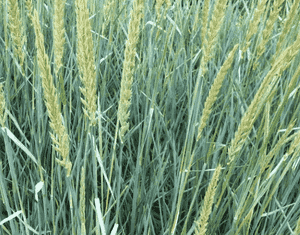
Relocate lyme grass either in the early part of the growing period or as the initial signs of verdant life appear, to guarantee vigorous development. Choose a location that receives ample sunlight and drains effectively; if moving multiple plants, provide generous spacing to allow for their energetic expansion.
What Preparations are Needed Before Transplanting Lyme Grass?
What is the Ideal Time for Transplanting Lyme Grass?
Moving lyme grass during the period when gardens awaken â from the departure of frost to when daylight extends â yields the best results. This timeframe, encompassing the revitalization of early to near-summer months, guarantees strong root development. During this interval, lyme grass's root system flourishes, supported by mild temperatures and increasing light, promoting vigorous growth. The advantage of transplanting within this window is twofold: you align with nature's awakening cycle, and provide lyme grass the entire upcoming season to thrive. Consider this an optimal collaboration between gardener and nature, fostering lyme grass's journey to robust health.
How Much Space Should You Leave Between Lyme Grass Plants?
When getting ready to plant your lyme grass, anticipate their future expansion. Aim for a generous spacing of 24-36 inches (61-91 cm) between each new plant. This will provide each specimen ample room to thrive without competition, ensuring a lush, healthy garden.
What is the Best Soil Mix for Lyme Grass Transplanting?
For your lyme grass, consider preparing a comfortable bed with soil that drains well. Incorporate a balanced base fertilizer, such as a 10-10-10, to give your green companion a nourishing start. Keeping the soil slightly sandy will imitate lyme grass's preferred natural conditions, setting the stage for success!
Where Should You Relocate Your Lyme Grass?
Choose a sunny location for your lyme grass that receives full sunlight for most of the day. They love the light and will flourish under its warm embrace. A spot that mimics the natural, open dunes lyme grass is accustomed to will lead to joyful growth.
What Equipments Should You Prepare Before Transplantation Lyme Grass?
Gardening Gloves
To safeguard your hands while handling soil and plants.
Shovel or Spade
To excavate the plant and its root ball with minimal harm.
Garden Fork
To loosen the soil surrounding the root ball when extracting the plant.
Watering Can or Hose
For hydrating the plant before and after its relocation.
Wheelbarrow or Tarp
To move the plant from its original spot to the new planting location.
Pruning Shears
For trimming any damaged roots or leaves.
How Do You Remove Lyme Grass from the Soil?
How Do You Remove Lyme Grass from the Soil?
From Ground: First, water the lyme grass plant to moisten the soil. Use a garden fork to gently loosen the soil around the plant's root ball, then work a shovel or spade around and beneath it. Carefully lift the root ball from the ground, preserving as much of the root system as possible.From Pot: Water the soil in the pot, then turn the pot sideways, gently tap the edges, and carefully slide the plant out. If the plant resists, run a knife along the inside edges of the pot to loosen the soil and roots.From Seedling Tray: Water the seedlings thoroughly before transplanting. Use a spoon or a small tool to carefully lift each individual plant, ensuring you extract the entire root ball with minimal root disturbance.
Step-by-Step Guide for Transplanting Lyme Grass
Prepare the New Site
Dig a hole in the ground that is twice as wide and equally deep as the lyme grass's root ball. The space must accommodate the root ball without being cramped.
Remove the Plant
Following the appropriate removal procedure, extract the lyme grass from its initial location. Ensure the plant and its roots remain intact.
Placement
Position the lyme grass in the center of the newly dug hole. The top of the root ball should be level with the surrounding soil surface.
Backfilling the Hole
Carefully refill the hole with the excavated soil, gently firming it down around the root ball to eliminate air pockets without compacting the soil too tightly.
Watering
Thoroughly water the lyme grass to settle the soil and hydrate the roots, taking care not to wash away the surrounding soil.
Adjustments
After watering, make any necessary adjustments to ensure the lyme grass is upright and at the correct elevation.
How Do You Care For Lyme Grass After Transplanting?
Initial Watering
Provide ample water to the lyme grass immediately after transplanting, and maintain consistent watering to keep the soil moist for the first few weeks.
Mulching
Apply a layer of mulch around the lyme grass to help retain moisture, regulate soil temperature, and reduce weed competition.
Pruning
Trim any damaged or broken foliage to encourage healthy new growth.
Monitoring
Regularly inspect the lyme grass for signs of transplant shock, such as wilting or discolored leaves, and take appropriate actions as needed.
Protection
Provide support if necessary, and shield the lyme grass from extreme conditions like strong winds or potential pests.
Troubleshooting Common Issues with Lyme Grass Transplantation.
When is the best time to transplant lyme grass?
Choose early to late spring, when the weather promotes root establishment before the summer heat.
What's the ideal distance between transplanted lyme grass plants?
Space them out ideally at 24-36 inches (61-91 cm) apart to ensure proper growth and air circulation.
Why is my lyme grass wilting after transplanting?
Wilting could be due to transplant shock. Ensure adequate watering and avoid direct sunlight for a few days.
Should I fertilize lyme grass immediately after transplanting?
Wait a few weeks before fertilizing to prevent burning the roots while they are still delicate.
How much should I water lyme grass after transplanting?
Water thoroughly upon transplanting and then keep the soil consistently moist for the initial few weeks.
What soil conditions favor lyme grass after transplanting?
Lyme grass thrives in well-draining soil. Amend with organic matter if necessary to improve soil structure.
How deep should I plant lyme grass during transplanting?
Plant lyme grass at the same depth it was growing at previously to prevent stem rot or drying out.
Can I transplant lyme grass on a hot, sunny day?
It's best to transplant on a cloudy day or in the late afternoon to reduce stress on the plant.
How do I handle root-bound lyme grass when transplanting?
Gently separate the roots without breaking them to encourage outward growth in the new location.
What should I do if the leaves of lyme grass turn yellow after transplanting?
Yellow leaves may indicate stress; check for proper watering, sunlight, and if it's not root-bound.



