How to Transplant Wild privet?
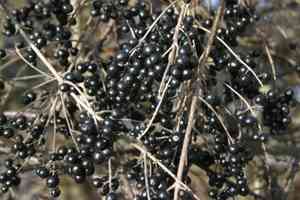
The optimal period for moving wild privet is in the initial phase of its growth cycle, specifically early spring, while the plant remains inactive. Select a site with good drainage that receives partial to complete sunlight. Ensure consistent watering post-transplant to facilitate a seamless adjustment.
Essential Preparations Before Relocating Wild Privet
Optimal Timing for Wild Privet Relocation?
The best period for moving wild privet is at the start of spring. This timing allows wild privet to acclimate to its new environment prior to the summer heat. Selecting this season guarantees robust development and healthy growth for wild privet. So, prepare once the frost has departed, giving wild privet ample time to firmly establish itself in its new home!
Recommended Spacing Between Wild Privet Plants?
When relocating wild privet, begin by leaving a generous distance of approximately 10-15 feet (3-4.5 meters) between each specimen. This will provide them sufficient room to expand and flourish!
Ideal Soil Blend for Wild Privet Relocation?
Prepare the soil for wild privet using well-draining and fertile earth, ideally a loamy or sandy loam type. Be sure to incorporate a foundational fertilizer, such as compost or aged manure, to offer the plant a nutrient-rich setting.
Choosing a New Site for Your Wild Privet?
Select a spot where wild privet will receive full sun to partial shade. This means a location that gets 6-8 hours of daily sunlight is perfect for this lovely plant!
Equipment Needed for Wild Privet Relocation
Gardening Gloves
To safeguard your hands, preventing cuts and abrasions when handling the plant and soil.
Shovel or Spade
Perfect for excavating wild privet from its original spot and preparing the new planting area.
Trowel
Useful for digging smaller holes if the plant is young or diminutive.
Pruning Shears
Excellent for trimming any damaged roots or foliage before relocation.
Watering Can or Hose
Required for hydrating the plant before and after the relocation process.
Wheelbarrow
Convenient for moving the larger wild privet plant from its initial location to the new planting site.
Mulch
Beneficial for retaining soil moisture post-relocation.
How to Extract Wild Privet from the Ground?
How to Extract Wild Privet from the Soil?
From Ground: Begin by watering the wild privet plant to moisten the soil around its roots, making it easier to dig up. Using your shovel or spade, dig gently but deeply enough around the plant to keep the root ball intact. Carefully work the spade beneath the root ball, lifting the plant from the ground.From Pot: If wild privet is in a container, water it to moisten the soil, which will facilitate removal. Invert the pot while supporting the plant at the base of the stem with your hand. Tap the pot's edge to loosen the soil and the plant.From Seedling Tray: Water the tray to moisten the soil, then gently press the base of each cell to extract each seedling. Hold wild privet by its leaves, not the stem, when pulling it out.
Step-by-Step Guide for Relocating Wild Privet
Plant Preparation
Inspect the wild privet plant for any indications of disease or pests and trim any broken or damaged roots with your pruning shears.
Hole Preparation
Use your shovel or trowel to excavate a hole twice the width and the same depth as the root ball. This space will allow the roots to spread easily.
Placing the Plant
Position wild privet in the hole. The top of the root ball should be level with the surrounding ground.
Backfilling
Refill the hole with soil, gently firming it around the base of the wild privet plant.
Watering
Water the base of wild privet thoroughly to settle the soil and eliminate any air pockets.
Mulching
Apply a layer of mulch approximately 2-inches deep around your wild privet, being careful to avoid contact between the mulch and the stem.
Post-Relocation Care for Wild Privet
Pruning
Lightly prune wild privet to encourage denser growth once the plant is established in its new location. This also reduces the plant's water consumption needs.
Watering
For the initial few weeks after relocation, keep the soil around wild privet moist but not waterlogged. As wild privet is a resilient plant, once established, it can endure periods of dryness.
Monitoring
Observe your wild privet for any signs of relocation shock, which may manifest as wilting, yellowing leaves, or leaf drop. If any of these symptoms appear, increase watering and consider adding a transplant fertilizer to aid recovery.
Addressing Common Issues with Wild Privet Relocation.
When is the best time to relocate wild privet?
Early Spring is the perfect time to relocate wild privet. This provides the plant ample opportunity to settle and grow before the warmer summer months.
What is the ideal spacing when relocating wild privet?
When relocating wild privet, maintain a gap of 10-15 feet (3-4.5 meters). This ensures they have sufficient space to grow and bloom optimally.
How deep should the relocation hole be for wild privet?
The relocation hole for wild privet should be twice as wide and as deep as the root ball. This helps the roots to spread comfortably.
How to properly water wild privet after relocation?
Once you've relocated wild privet, water it thoroughly, ensuring the roots are well-soaked. Afterward, water moderately until signs of new growth emerge.
What should I do if leaf wilting occurs after relocating wild privet?
Wild privet may wilt post-relocation due to transplant shock. Consistent watering, mulching, and protection from direct sunlight can aid recovery.
Should I prune wild privet before or after relocating?
It's best to lightly prune wild privet before relocating. Removing 1/3 of the plant reduces the demand on roots to supply nutrients and water.
Is it normal for wild privet to lose leaves after relocation?
Yes, it's common for wild privet to shed leaves after relocation due to a stress condition known as transplant shock. Regular care can help overcome this.
What kind of soil is suitable for wild privet relocation?
Wild privet prefers well-drained soil with organic matter. If your soil is clay or sand-based, enrich it with compost or balanced tree and shrub soil.
Can wild privet tolerate direct sunlight after relocating?
Direct sunlight can be harsh for newly relocated wild privet. Consider a location with partial shade or provide shade until signs of fresh growth.
Can I fertilize wild privet immediately after relocating?
Avoid fertilizing wild privet right after relocating. Wait for about 3-4 weeks until it's established. Then use a balanced plant food to support growth.



