How to Transplant Flax?
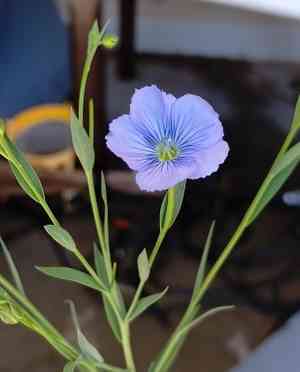
Relocate flax in the period spanning early to mid-spring or from late autumn to mid-winter to ensure its best development. Select a site that receives ample sunlight and possesses soil with good drainage. Remember to consistently irrigate flax following its transplantation and maintain a weed-free environment for superior outcomes.
Necessary Preparations Before Relocating Flax
Optimal Period for Moving Flax?
The best time to move flax is during early to mid-spring or from late autumn through mid-winter. These periods offer prime conditions for the plant to settle and develop robust roots. Replanting flax at these times allows ample establishment before the intense summer heat or severe winter cold. This approach can lead to a plentiful harvest and enhance your garden's beauty with its blooming linseeds.
Required Spacing Between Flax Plants?
When relocating your flax, ensure each plant has sufficient room to grow by placing them approximately 4 - 6 inches (10 - 15 cm) apart. This promotes good air circulation and helps prevent disease.
Ideal Soil Mixture for Flax Relocation?
Prepare the soil for your flax using a well-draining mix with a slightly acidic pH (6.0 - 6.5). Incorporate a foundational fertilizer, such as compost or aged manure, to enrich the soil with essential nutrients.
Optimal Location for Your Flax?
Choose a new spot for your flax that receives full sun throughout the day, meaning at least 6 hours of direct sunlight. This will aid in strong plant growth and a healthy yield.
Equipment to Prepare Before Transplanting Flax
Gardening Gloves
To safeguard your hands while handling soil and plants.
Shovel or Spade
For digging the planting hole and extracting the flax plant from its original spot.
Trowel
To make minor adjustments to the size of the planting hole.
Watering Can or Hose
To hydrate the flax plant during the relocation process.
Pruner
To trim any damaged or dead sections of the flax plant.
Supports (optional)
To offer additional stability to flax plants with a taller growth habit.
Method for Removing Flax from the Soil
Method for Removing Flax from the Soil?
From Ground: First, thoroughly water the flax plant to moisten the soil. Then, dig a wide trench around the plant using a shovel or spade, ensuring the plant's root ball remains intact. Carefully work the spade beneath the root ball to lift the plant from its original position.From Pot: Water the flax plant in its pot thoroughly to dampen the soil. Gently tilt the pot on its side and tap the edges to release the root ball. Hold the plant at the base of the stem and carefully slide it out of the pot, avoiding root damage.From Seedling Tray: Water the flax seedlings to moisten the soil in the tray. Use a trowel or a small tool like a spoon to carefully scoop out each flax seedling individually, keeping the root ball as undisturbed as possible.
Step-by-Step Guide for Relocating Flax
Location Preparation
Select a spot with adequate sunlight and room for your flax plant to reach its mature size. Clear the area of weeds and debris, and loosen the soil in the planting zone.
Dig Planting Hole
Excavate a hole slightly deeper and wider than the flax plant's root ball. If moving multiple plants, space the holes according to the recommended distance for flax plants.
Examine Roots
Inspect the flax plant's root ball for any damaged or circling roots. Trim away any compromised parts and gently untangle any matted roots.
Position Plant in Hole
Carefully lower the flax plant's root ball into the hole, ensuring it is level with the surrounding soil. Backfill the hole with soil, gently pressing down to support the plant and eliminate any air pockets.
Water Thoroughly
Water the flax plant extensively, ensuring the root ball and surrounding soil are well-hydrated. This will help the soil settle and support the plant.
Add Support (optional)
If your flax plant needs extra support, insert a stake or trellis next to the plant and gently tie the stem to it with a soft material.
Post-Transplant Care for Flax
Watering
Keep the soil around the flax consistently moist, but not waterlogged, for the initial few weeks after relocation. Gradually decrease watering frequency as the plant establishes itself.
Fertilizing
Hold off on applying fertilizer until the flax plant has had a chance to settle into its new spot. After 2 to 4 weeks, begin feeding with a balanced organic fertilizer according to product instructions.
Monitoring and Pruning
Observe the flax plant for signs of stress or pest issues. Remove any dead or damaged foliage and monitor the plant's overall health.
Mulching
Apply a layer of organic mulch around the base of the flax plant to help retain moisture, suppress weeds, and regulate soil temperature.
Resolving Common Flax Transplantation Issues
When is the best time of year to move flax?
Ideally, you should move flax during the transitional seasons, either early to mid-spring or late fall to mid-winter.
What spacing is needed between each flax plant?
Each flax needs approximately 4 - 6 inches (10 - 15 cm) of space to grow unhindered.
My flax is wilting after being moved, what's wrong?
Wilting might be due to sun shock, transplant shock, or insufficient watering. Ensure your flax is acclimated and adequately hydrated.
What to do if my relocated flax leaves are yellowing?
Yellow leaves could indicate a nutrient deficiency. Consider adding a mild, slow-release fertilizer to the soil around flax.
How can I prevent transplant shock for flax?
To avoid transplant shock, ensure a healthy root-ball with soil, limit exposure to elements, and water thoroughly after planting.
Should I deeply water flax immediately after moving it?
Yes, deep watering helps roots establish in their new location. However, avoid oversaturating the soil.
Why isn't my relocated flax growing?
Insufficient sunlight, lack of nutrients, or overcrowded planting space could be the reasons. Ensure proper care for flax.
Can flax be moved on a hot, sunny day?
Avoid moving plants on very hot, sunny days, as this can cause sun shock. A cloudy day or late afternoon is preferable.
When should I start fertilizing the relocated flax?
Wait 2-4 weeks after moving before starting to fertilize, allowing flax time to establish in its new location.
How to ensure a successful flax transplant in cool weather?
Flax thrives in cool weather; a layer of mulch can keep the roots warm. Just ensure it receives acceptable levels of sunlight.



