How to Transplant Sweetgum?
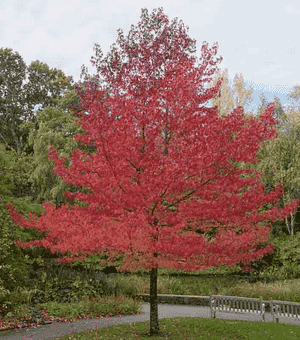
Relocate sweetgum in the latter part of spring or the middle of summer when temperatures are moderate. Select a site featuring soil that drains effectively and receives partial to ample sunlight. Carefully untangle roots if they are pot-bound and thoroughly irrigate after transplanting to ensure optimal establishment.
What Preparations are Needed Before Transplanting Sweetgum?
What is the Ideal Time for Transplanting Sweetgum?
The optimal period for relocating sweetgum is from late spring through mid-summer, coinciding with its peak growth phase. Moving it then supports robust development, lessens stress, and aids in its settling into the new spot.
How Much Space Should You Leave Between Sweetgum Plants?
When moving sweetgum, remember these plants require ample room to expand. Position them uniformly with a gap of approximately 40-60 feet (12-18 meters) between each. This ensures every plant has sufficient space to flourish.
What is the Best Soil Mix for Sweetgum Transplanting?
To prepare the ground for sweetgum, select well-draining, loamy soil with a slightly acidic pH (around 6.0-6.5). For a strong base, incorporate organic matter such as compost or aged manure, and apply a slow-release, balanced fertilizer (10-10-10) prior to transplanting.
Where Should You Relocate Your Sweetgum?
For optimal outcomes, select a site that receives full sun exposure throughout the day. Sweetgum thrives in bright light, so aim for 6-8 hours of direct sunlight daily. Ensure the area is well-aired and shielded from strong gusts to promote healthy development.
What Equipments Should You Prepare Before Transplantation Sweetgum?
Gardening Gloves
To safeguard your hands while handling soil and the plant.
Shovel or Spade
For excavating and lifting the plant from its initial position.
Pruning Shears
To trim any damaged roots or branches prior to relocation.
Garden Trowel
For digging a hole in the new planting spot.
Watering Can or Hose
To hydrate the plant before and after its move.
Mulch
To aid in moisture retention and weed suppression post-transplant.
Staking Materials (optional)
To offer support for the sweetgum if necessary during its growth period.
How Do You Remove Sweetgum from the Soil?
How Do You Remove Sweetgum from the Soil?
- From Ground:First, moisten the sweetgum plant's soil. Next, excavate a wide trench around the plant using a shovel or spade, ensuring the root ball remains intact. Carefully maneuver the spade beneath the root ball to lift the plant from its original spot.- From Pot:Begin by watering the sweetgum to facilitate its easy removal. Place your hand over the soil surface with the plant stem between your fingers. Invert the pot, gently tapping the rim until the plant dislodges. Support the root ball with your hand during this process.- From Seedling Tray:Utilize a garden trowel or similar tool to gently loosen the soil surrounding each sweetgum seedling. Carefully extract the seedling from the tray, taking care not to harm the roots or stem.
Step-by-Step Guide for Transplanting Sweetgum
Site Selection
Choose a location with adequate sunlight and room for your sweetgum plant to reach its mature dimensions.
Dig the Hole
Using your shovel or garden trowel, excavate a hole at the chosen site that is twice as wide and equally deep as the sweetgum plant's root ball.
Prepare the Plant
If your sweetgum is in a pot or seedling tray, gently loosen its roots with your fingers. If moving from the ground, trim any damaged or circling roots with pruning shears.
Placement
Carefully lower the sweetgum into the hole, ensuring the top of the root ball is level with the surrounding earth. Spread the roots so they fan out evenly without bending or crossing.
Backfill
Gently refill the hole with soil, lightly compacting it around the root ball to eliminate air pockets. Ensure the sweetgum stands upright and straight.
Water
Thoroughly irrigate the sweetgum to settle the soil and aid in establishing a robust root system.
Mulch
Apply a 2-3 inch layer of mulch around the sweetgum's base to help retain moisture, suppress weeds, and regulate soil temperature.
Stake (optional)
If your sweetgum requires support during its growth period, install stakes or other support structures at this time.
How Do You Care For Sweetgum After Transplanting?
Watering
Keep the soil around the sweetgum consistently damp, but not waterlogged, for the initial weeks post-transplant to aid in strong root development.
Fertilization
Wait at least 4-6 weeks after transplanting before applying any fertilizer. Then, use a balanced, slow-release fertilizer as per product directions.
Pruning
Remove any dead, damaged, or overcrowded branches annually to maintain the sweetgum's health.
Monitoring
Regularly inspect the sweetgum for indications of pests or diseases and treat as needed to ensure a healthy, flourishing plant.
Troubleshooting Common Issues with Sweetgum Transplantation.
What is the best season to transplant sweetgum?
Relocating sweetgum is ideal in late spring to mid-summer, when temperatures are warm, and the soil is manageable.
How much space should I leave between sweetgum plants?
Allow sweetgum plants 40-60 feet (12-18 meters) of space between them, ensuring their eventual growth is unhindered.
Should I deeply water sweetgum immediately after transplant?
Yes, thoroughly soaking the root ball with water is vital after moving sweetgum to encourage root establishment.
What kind of soil is best for transplanting sweetgum?
Sweetgum prefers well-draining, moist, and slightly acidic soils. Preparing your planting site with this in mind is crucial.
How deep should I plant the sweetgum?
Dig a hole slightly deeper and wider than the root ball, taking care to plant the sweetgum at its previous depth.
How much sunlight does sweetgum require after being transplanted?
Sweetgum thrives in full sun, so select a location with 6-8 hours of daily sunlight for successful growth after transplanting.
What steps should I take to minimize transplant shock?
To reduce transplant shock, water sweetgum thoroughly, maintain appropriate soil conditions, and ensure the plant receives sufficient sunlight.
Should I prune sweetgum just before transplanting?
Prune sweetgum lightly to remove any dead or damaged branches, but avoid excessive pruning to prevent stress during the move.
Is it essential to add mulch around the transplant?
Adding a 2-4 inch (5-10 cm) layer of mulch around the sweetgum helps retain moisture, regulate soil temperature, and lessens weed growth.
How long does it take for sweetgum to establish after transplant?
Generally, sweetgum takes several weeks to establish after transplanting. Maintain proper care and watering during this period.



