How to Transplant Chinese tulip tree?
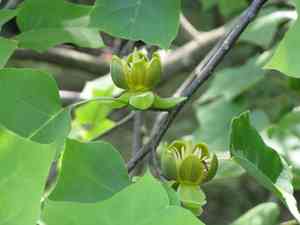
The most favorable period for relocating chinese tulip tree is at the onset of spring, since increasing warmth encourages root development. Select a site featuring soil that drains effectively and receives partial sunlight. To achieve a successful relocation, confirm that the root system is not disrupted and the growing medium stays uniformly damp.
What Preparations are Needed Before Transplanting Chinese Tulip Tree?
What is the Ideal Time for Transplanting Chinese Tulip Tree?
The onset of spring's mild weather, specifically early to mid-spring, offers a prime window for relocating chinese tulip tree. This period allows chinese tulip tree to establish its root system in the warming soil, providing a strong base before the summer heat. By transplanting at this time, you give chinese tulip tree the best chance to flourish, as the moderate conditions are perfect for root development without the stress of extreme temperatures. The gentle spring weather encourages chinese tulip tree to recover from the move, ensuring robust growth and flowering in subsequent seasons.
How Much Space Should You Leave Between Chinese Tulip Tree Plants?
Initially, ensure your chinese tulip tree has ample room to expand! Aim for a spacing of 5-6 feet (1.5-1.8 meters) between plants when transplanting. This will facilitate healthy growth without overcrowding.
What is the Best Soil Mix for Chinese Tulip Tree Transplanting?
Prior to planting your chinese tulip tree, prepare the ground using a well-drained, loam or sand-based soil enriched with organic compost. A foundational fertilizer with a balanced ratio of nitrogen, phosphorus, and potassium will be ideal.
Where Should You Relocate Your Chinese Tulip Tree?
Your chinese tulip tree thrives in sunlight! Select a garden spot that receives at least six hours of direct sun daily. However, a location with partial shade during the most intense afternoon sun will be crucial for its protection.
What Equipments Should You Prepare Before Transplantation Chinese Tulip Tree?
Gardening Gloves
These will help safeguard your hands while handling soil and plants.
Spade or Shovel
Essential for excavating holes in the ground both when removing the chinese tulip tree from its current spot and during replanting.
Pruning Shears
To trim any superfluous branches or roots that might impede the transplantation process.
Wheelbarrow or Garden Cart
Useful for moving the chinese tulip tree from its original location to the new planting site.
Garden Hose or Watering Can
Required for hydrating the chinese tulip tree both before and after transplanting.
Mulch
Used to help maintain soil moisture after transplanting.
How Do You Remove Chinese Tulip Tree from the Soil?
How Do You Remove Chinese Tulip Tree from the Soil?
From Ground: Begin by thoroughly watering the chinese tulip tree to moisten the soil. This will simplify digging and minimize root damage. Dig a wide trench around the plant using a shovel or spade, ensuring the plant's root ball remains intact. Carefully work the spade beneath the root ball to lift the chinese tulip tree from its original spot.From Pot: Water the chinese tulip tree and allow excess water to drain. Place your hand over the top of the pot, with your fingers encircling the plant's base. Invert the pot and gently tap it to loosen the plant and soil from the container. Slowly pull the pot away from the root ball.From Seedling Tray: Water the chinese tulip tree and let it absorb moisture. Once the soil is damp, gently push the plant out from the bottom of the tray. Be careful not to harm the delicate roots.
Step-by-Step Guide for Transplanting Chinese Tulip Tree
Preparing the New Site
Dig a hole at the new location that is twice as wide and the same depth as the root ball of your chinese tulip tree.
Placing the Plant
Position the chinese tulip tree in the center of the hole, ensuring it is at the same depth as it was in its previous spot. The top of the root ball should be level with the surrounding soil.
Backfilling
Refill the hole with the original soil, gently firming it around the root ball.
Watering
Water the chinese tulip tree generously after transplanting, thoroughly saturating the soil.
Mulching
Apply a layer of mulch around the base of the chinese tulip tree to help retain moisture and suppress weed growth.
How Do You Care For Chinese Tulip Tree After Transplanting?
Watering
Continue to water the chinese tulip tree generously for the initial few weeks post-transplant, keeping the soil consistently moist. Avoid over-watering, which can lead to root rot.
Pruning
Remove any damaged or withered leaves to allow the chinese tulip tree to focus its energy on establishing roots and new growth.
Monitoring
Watch for signs of transplant shock, such as wilting, yellowing foliage, or a lack of new growth. If your chinese tulip tree exhibits any of these symptoms, ensure it's receiving adequate water and consider consulting a local nursery or extension service.
Troubleshooting Common Issues with Chinese Tulip Tree Transplantation.
When is the best time to transplant chinese tulip tree?
The optimal time to transplant chinese tulip tree is during the S1-S2 seasons when the plant is dormant. This facilitates easier root development.
How far apart should I space out chinese tulip tree during transplantation?
Maintain at least 5-6 feet (1.5-1.8 meters) between each chinese tulip tree during transplantation to allow for growth without overcrowding.
Why are the leaves of my newly transplanted chinese tulip tree turning yellow?
Yellowing leaves after transplanting chinese tulip tree is typically due to transplant shock or excessive watering. Reduce watering and ensure it receives ideal sunlight.
Do I need to water chinese tulip tree immediately after transplanting?
Yes, you should water chinese tulip tree thoroughly right after transplanting to help settle the soil and aid recovery from transplant shock.
Can chinese tulip tree be transplanted in a pot?
Chinese tulip tree can be transplanted in a pot, provided there is sufficient space for root growth. The pot should be at least 10 inches (25 cm) deep.
How should I prepare the soil before transplanting chinese tulip tree?
The soil should be well-drained, enriched with compost for fertility, and the site should be well-exposed to bright but indirect light.
My transplanted chinese tulip tree looks wilted. What can I do?
A wilted chinese tulip tree could indicate transplant shock. Keep the soil consistently moist but ensure good drainage to prevent root rot. Avoid direct sunlight initially.
How deep should I plant the chinese tulip tree during transplantation?
The hole should be twice as wide as the root ball and equally deep. The top of the root ball should be level with the ground.
Should I prune chinese tulip tree before transplanting?
It's not mandatory, but you can prune any damaged or dead branches to direct chinese tulip tree's energy into new root growth.
How long does it take for a transplanted chinese tulip tree to establish?
Chinese tulip tree typically takes a few weeks to establish after transplanting. Proper care and ideal conditions will help accelerate the process.



