How to Transplant Edging lobelia?
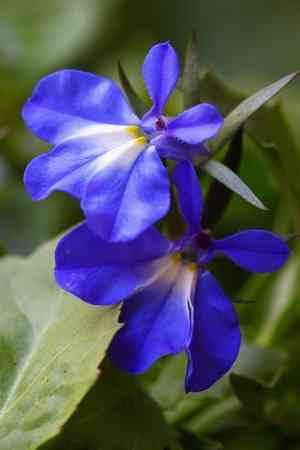
For Lobelia erinus, the perfect period for relocation is from early to mid-spring, or alternatively in late autumn, as these times guarantee peak development. Select a site featuring adequately drained earth and exposure to partial or full sunlight. Bear in mind, Lobelia erinus benefits from careful handling during transplantation to lessen shock.
What Preparations are Needed Before Transplanting Edging Lobelia?
What is the Ideal Time for Transplanting Edging Lobelia?
Begin relocating edging lobelia as spring arrives, ideally from early to mid-season, or you can postpone until late autumn. This timing allows edging lobelia to comfortably adapt to its new surroundings. Moving them during these periods ensures proper root development and abundant blooms. Remember, a perfectly timed move sets the stage for edging lobelia's successful growth! Let's start preparing for a vibrant garden!
How Much Space Should You Leave Between Edging Lobelia Plants?
When moving your edging lobelia, it's best to position them 6-9 inches (15-23 cm) apart. This will provide ample room for them to grow and flourish!
What is the Best Soil Mix for Edging Lobelia Transplanting?
For a thriving edging lobelia, prepare a well-draining soil mixture with added organic material, such as compost. A slow-release fertilizer is also beneficial for your plant's initial development!
Where Should You Relocate Your Edging Lobelia?
Choose a location for your edging lobelia where they will receive full sun to partial shade. This ensures they get the correct amount of light to produce beautiful flowers.
What Equipments Should You Prepare Before Transplantation Edging Lobelia?
Gardening Gloves
To protect your hands while handling soil and plants.
Spade or Shovel
To excavate appropriate holes for moving your edging lobelia.
Watering Can
To moisten the soil before and after the relocation.
Garden Trowel
To easily extract the plant from its original container or tray.
Compost
To ensure the plant receives necessary nutrients after being moved.
How Do You Remove Edging Lobelia from the Soil?
How Do You Remove Edging Lobelia from the Soil?
From Ground: Gently moisten the soil around edging lobelia to facilitate digging. Carefully excavate a wide circle around the plant with your spade or shovel, maintaining a safe distance to avoid damaging the root ball. Slide the spade beneath the root ball and lift it carefully.From Pot: Water the edging lobelia plant an hour beforehand. Invert the pot while gently supporting the top of the soil, tap it if needed, and the plant will slide out with the soil.From Seedling Tray: Ensure the edging lobelia plant seedlings are well-hydrated, push the base of the individual cell from below, and the seedling should easily slide out; try not to pull from the stem.
Step-by-Step Guide for Transplanting Edging Lobelia
Preparing Hole
Begin by preparing your hole. It should be twice the width and the same depth as the root ball of your edging lobelia plant.
Preparing Plant
Apply a thin layer of compost at the bottom of the hole. Carefully position your plant in the hole, ensuring it is upright and level with the ground.
Placing Plant
Fill the remainder of the hole with excavated soil, gently pressing it down around the base of the plant. Follow this with a generous amount of water.
Initial Care
Keep the plant in partial shade for the first few days to help it acclimate to its new spot before moving it to its permanent location.
How Do You Care For Edging Lobelia After Transplanting?
Irrigation
Ensure the edging lobelia plant is well-watered during the initial two weeks post-relocation. This aids in root establishment and minimizes transplant shock.
Checking Health
Watch for signs of wilting or discoloration, which can indicate transplant shock. If your edging lobelia exhibits such symptoms, shield it from harsh conditions and provide additional water.
Pruning
If your edging lobelia plant is mature, consider trimming its top growth after transplantation. This prevents excessive water loss and encourages root development.
Repositioning
If the plant does not adapt well to its new location, you might need to reconsider the spot and move it to a more suitable area.
Troubleshooting Common Issues with Edging Lobelia Transplantation.
When is the best time to transplant edging lobelia?
The optimal period to move edging lobelia is in early to mid-spring or in late autumn. This allows the plant ample time to establish roots before the active growing season.
What is the appropriate spacing when transplanting edging lobelia?
Proper spacing is crucial for optimal growth. Ideally, position your edging lobelia approximately 6 to 9 inches (15-23 cm) apart to allow for adequate air circulation and development.
Can transplant shock cause edging lobelia to wilt?
Yes, edging lobelia can experience transplant shock, leading to drooping leaves. It's vital to water sufficiently after moving to minimize shock and promote recovery.
How deep should the hole be for transplanting edging lobelia?
The hole should be deep enough to accommodate the root ball of edging lobelia. Avoid planting too deeply to prevent rot and allow roots to spread easily.
Should I fertilize the edging lobelia immediately after transplanting?
Wait a few weeks before applying any fertilizer. Let edging lobelia adjust to the new environment first to reduce the risk of burning its roots with chemicals.
What should I do if the leaves of edging lobelia turn yellow after transplanting?
Yellowing leaves can indicate overwatering or a nutrient deficiency. Check your watering schedule and consider using a balanced plant food to correct any nutrient imbalances.
How can I ensure proper root establishment for edging lobelia after transplanting?
Frequent watering without waterlogging the soil, maintaining the soil pH, and protecting the edging lobelia from extreme weather can promote root establishment after moving.
Why is edging lobelia wilting even with regular watering after transplanting?
Over-watering or root damage during transplantation could be the cause. Also, ensure edging lobelia receives enough light and the soil has good drainage to combat wilting.
Can I transplant edging lobelia in containers?
Yes, edging lobelia can be moved into containers. Make sure the container has sufficient drainage holes to prevent waterlogging and root rot.
What to do if edging lobelia doesn't flower after transplanting?
Ensure edging lobelia receives adequate sunlight, nutrients, and water. If these conditions are optimal, be patient as edging lobelia may take time to adjust post-relocation before blooming.



