How to Transplant Perennial ryegrass?
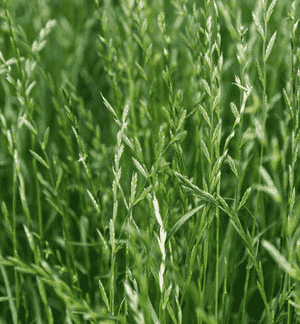
The optimal period for relocating perennial ryegrass is within its peak growth phase, spanning from early to late spring. This timing facilitates the rapid establishment of its root structure. Perennial ryegrass flourishes in soil that drains effectively, situated in either a sunny or partly shaded spot. During the transplanting process, carefully disentangle the roots to stimulate development and lessen the plant's strain.
What Preparations are Needed Before Transplanting Perennial Ryegrass?
What is the Ideal Time for Transplanting Perennial Ryegrass?
The optimal period for relocating perennial ryegrass spans from early to late spring. This timeframe offers perennial ryegrass an advantageous environment for root establishment and development. Spring is the best season to begin the transplanting process, as perennial ryegrass will have ample opportunity to flourish before the intense summer heat arrives. Furthermore, spring rainfall is beneficial, potentially helping to keep the soil moist, which is crucial for successful perennial ryegrass transplantation.
How Much Space Should You Leave Between Perennial Ryegrass Plants?
When moving perennial ryegrass, it's advisable to position the plants approximately 4-8 inches (10-20 cm) apart. This spacing will provide each plant sufficient room to grow and develop a robust root system.
What is the Best Soil Mix for Perennial Ryegrass Transplanting?
To prepare the soil for perennial ryegrass, utilize a well-draining and fertile loam or sandy loam type. Incorporating compost or a slow-release organic fertilizer will enhance its fertility and supply essential nutrients to the plants.
Where Should You Relocate Your Perennial Ryegrass?
Select a site that receives either full sun or partial shade for transplanting perennial ryegrass. These plants will thrive in an area that gets at least 6 hours of sunlight daily, so choose a bright spot in your garden or yard.
What Equipments Should You Prepare Before Transplantation Perennial Ryegrass?
Gardening Gloves
To safeguard your hands while handling soil and plants.
Shovel or Spade
To excavate holes in the ground and extract the perennial ryegrass plant from its initial position.
Trowel
To dig smaller holes and work around the root system of the perennial ryegrass plant.
Watering Can or Hose
To hydrate the plant following its relocation.
Organic Compost or Fertilizer
To support the growth and establishment of the perennial ryegrass plant in its new setting.
Stakes (optional)
To offer support to the perennial ryegrass plant if required.
How Do You Remove Perennial Ryegrass from the Soil?
How Do You Remove Perennial Ryegrass from the Soil?
From Ground: First, moisten the perennial ryegrass plant to dampen the soil. Next, dig a wide trench around the plant using a shovel or spade, ensuring the plant's root ball remains intact. Carefully work the spade beneath the root ball to lift the plant from its original spot.From Pot: Gently tilt the pot on its side and slide the perennial ryegrass plant out, supporting the base of the stem and root ball. If the plant is stuck, lightly tap the sides of the pot to loosen the soil.From Seedling Tray: Using a trowel or your fingers, carefully loosen the soil around each perennial ryegrass seedling. Gently lift the seedlings by their leaves, not their stems, and carefully transfer them to their new planting location.
Step-by-Step Guide for Transplanting Perennial Ryegrass
Site Preparation
Prepare the new planting area by loosening the soil and mixing in organic compost or fertilizer.
Dig Hole
Excavate a hole in the prepared location slightly larger than the root ball or pot size.
Transplant
Carefully place the perennial ryegrass plant into the hole, ensuring the top of the root ball is level with the surrounding soil. Backfill the hole with soil, firming it down around the root ball to eliminate air pockets.
Watering
Thoroughly water the perennial ryegrass plant after transplanting to help settle the soil around the roots and establish a connection between the roots and the new soil.
Staking (optional)
If the perennial ryegrass plant requires additional support, insert a stake into the ground near the stem and loosely tie the stem to the stake with a soft material.
How Do You Care For Perennial Ryegrass After Transplanting?
Monitoring
Regularly inspect the perennial ryegrass plant for indications of transplant shock, such as wilting leaves or yellowing foliage, and address any issues promptly.
Watering
Maintain consistent moisture levels in the soil surrounding the perennial ryegrass plant to support robust root development. Gradually decrease watering frequency after a few weeks as the plant establishes itself.
Fertilizing
Apply a balanced, slow-release fertilizer according to package directions to support the perennial ryegrass plant's growth and establishment in its new location.
Pest and Disease Control
Monitor the perennial ryegrass plant for pests and diseases, and apply appropriate organic or chemical treatments as needed to maintain the plant's health.
Pruning
Trim away any dead or damaged foliage to encourage new growth and preserve the perennial ryegrass plant's shape.
Troubleshooting Common Issues with Perennial Ryegrass Transplantation.
When is the ideal time to transplant perennial ryegrass?
The perfect time to transplant perennial ryegrass is from the start of spring until late in the spring season. This gives it ample time to establish roots before summer.
How far apart should I space each perennial ryegrass when transplanting?
When transplanting, provide a gap of about 4-8 inches (10-20 cm) between each perennial ryegrass. This ensures they have enough space to grow without overcrowding each other.
Why do my transplanted perennial ryegrass look like they are wilting?
Perennial ryegrass may wilt after transplanting due to transplant shock. Ensure adequate hydration, but avoid overwatering. Consistent care within the first few weeks can help them recover.
Why are the leaves on my transplanted perennial ryegrass turning yellow?
Yellowing leaves could be a sign of overwatering or nutrient deficiency. Check if the soil is waterlogged. If it's dry, consider a balanced slow-release fertilizer.
What soil type is best for transplanting perennial ryegrass?
Perennial ryegrass prefers well-draining soil, enriched with compost or organic matter. The soil pH should be slightly acidic to neutral for optimum growth.
How much sun does a transplanted perennial ryegrass need?
After transplanting, ensure your perennial ryegrass gets full sun to partial shade. Remember, too less or too much sun exposure might hamper the growth.
How often should I water my newly transplanted perennial ryegrass?
Water your perennial ryegrass once every two days initially or whenever the top layer of soil feels dry. Then, you can adjust this based on climate and rainfall.
Can perennial ryegrass survive frosts after they have been transplanted?
Perennial ryegrass can tolerate light frosts but prolonged freezing temperatures can be damaging. Consider using frost protection methods if freezing temperatures are expected.
How to ensure my transplanted perennial ryegrass isn't becoming overcrowded?
Follow the spacing rule of 4-8 inches (10-20 cm) between each plant. If they are growing too close, consider thinning out to avoid competition for resources.
What to do if pests are attacking my transplanted perennial ryegrass?
If pests are evident, use organic, plant-friendly pesticides. Encourage beneficial insects, such as ladybugs, which are natural predators of many plant pests.



