How to Transplant Marsh seedbox?
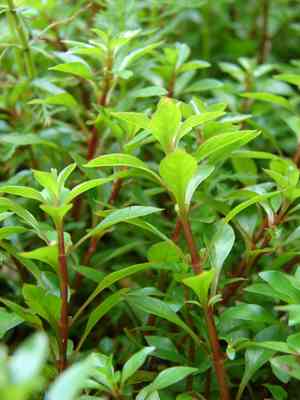
The most suitable time for relocating marsh seedbox is from the beginning of summer to the start of autumn, since elevated temperatures facilitate root development. Select a moist, brightly lit location that replicates their native environment. Ensure thorough watering after transplantation to encourage robust growth.
What Preparations are Needed Before Transplanting Marsh Seedbox?
What is the Ideal Time for Transplanting Marsh Seedbox?
The optimal period for relocating marsh seedbox spans from early summer to the beginning of autumn. This timing ensures its successful adaptation to a new environment and encourages robust root development. It's a wise horticultural choice that results in a lush display of marsh seedbox.
How Much Space Should You Leave Between Marsh Seedbox Plants?
When moving marsh seedbox, ensure ample room for growth by spacing them 12-18 inches (30-45 cm) apart. This provides sufficient area for their root systems to flourish and prevents overcrowding.
What is the Best Soil Mix for Marsh Seedbox Transplanting?
For healthy marsh seedbox growth, prepare well-draining soil enriched with organic matter such as compost or loam. Incorporate a slow-release, balanced fertilizer into the soil to provide a nutrient boost as the plants establish their roots.
Where Should You Relocate Your Marsh Seedbox?
Select a site that receives full sun to partial shade for transplanting marsh seedbox. Approximately 4-6 hours of direct sunlight daily would be ideal. This will supply your plants with the necessary light for vigorous growth.
What Equipments Should You Prepare Before Transplantation Marsh Seedbox?
Gardening Gloves
To safeguard your hands from dirt, roots, and foliage while handling marsh seedbox.
Shovels
A shovel is essential for excavating holes in the ground to transplant your marsh seedbox.
Trowels
Small hand trowels are useful for extracting the marsh seedbox plant from its original spot without damaging its root system.
Watering Can
To irrigate the soil post-transplantation, helping the plant establish itself easily in its new setting.
Wheelbarrow (optional)
Convenient for transporting soil, compost, and the plant itself, especially if it's large.
How Do You Remove Marsh Seedbox from the Soil?
How Do You Remove Marsh Seedbox from the Soil?
From Ground: First, moisten the ground around the marsh seedbox plant to soften the soil. This aids in easy removal without root damage. Using a trowel, carefully begin digging a wide circle around the plant. Ensure no roots are harmed during this process. Once a significant amount of soil is loosened around the plant, gently lift it, aiming to retain as much of the root system as possible.From Pot: If the marsh seedbox plant is in a container, water it thoroughly beforehand. Turn the pot on its side, gently hold the plant at its base, and tap the bottom of the pot until the plant slides out. Remember to handle the root ball rather than pulling by the stem or leaves.From Seedling Tray: If the marsh seedbox plant is a delicate seedling in a tray, watering it first can be beneficial. Gently hold the seedling by its leaves, not the stem, then push the base of the seedling from underneath, and it should pop out of the tray. Handle it carefully by its roots to prevent any harm.
Step-by-Step Guide for Transplanting Marsh Seedbox
Preparation
Start by watering the marsh seedbox plant in its current location. This will lessen transplant shock and simplify its removal.
Dig a Hole
At the new site, excavate a hole that is twice the width and the same depth as the marsh seedbox plant's existing root ball.
Placement
Position your marsh seedbox plant into the hole. The top of the root ball should be level with the ground surface.
Backfill the Hole
Return the soil to the hole, ensuring the plant remains upright. The goal is to cover the transplant's root ball, but not its stem.
Watering
Thoroughly water the area after planting. This will help the soil settle and minimize air pockets around the roots.
How Do You Care For Marsh Seedbox After Transplanting?
Mulching
Apply mulch around the base of your marsh seedbox to help retain moisture, keep roots cool, and suppress weeds.
Pruning
Trim any damaged or overgrown branches to encourage new growth and maintain the plant's form.
Feeding
After a few weeks, begin nourishing the marsh seedbox with a balanced plant food to promote vigorous growth. Avoid over-fertilizing; adhere to the instructions on the fertilizer packaging.
Protection
Safeguard your marsh seedbox from pests and diseases through regular inspection and necessary treatment.
Patience
The transplanting process can be a shock to the marsh seedbox, and it may take some time to exhibit new growth. Be patient and provide care as needed.
Troubleshooting Common Issues with Marsh Seedbox Transplantation.
What is the best time of the year to transplant marsh seedbox?
The optimal period to relocate marsh seedbox is from the beginning of summer until the start of fall.
How much space should I leave between marsh seedbox when planting?
Ensure a gap of 12-18 inches (30-45 cm) between each marsh seedbox during transplantation. This spacing allows for ideal growth.
What kind of soil does marsh seedbox prefer?
Marsh seedbox thrives in moist, marshy soil. Confirm the transplantation site has damp, well-draining soil.
Should I water marsh seedbox immediately after transplanting?
Yes, watering marsh seedbox right after transplanting helps the soil settle. However, be careful not to over-water to prevent waterlogging.
How quickly should I transplant marsh seedbox once I've uprooted it?
You must transplant marsh seedbox immediately after uprooting to prevent root desiccation and encourage successful establishment.
What's the best way to handle marsh seedbox during transplanting?
Handle marsh seedbox with care. Avoid damaging the roots when digging up and moving. Using a gardening fork can help minimize harm.
What should I do if marsh seedbox shows signs of distress after transplanting?
Improper watering often causes distress in marsh seedbox. Check for signs of over or under-watering and adjust the irrigation schedule accordingly.
How deep should I plant marsh seedbox during the transplanting?
The transplantation hole should be deep enough to fully cover the roots of marsh seedbox. Do not bury the stem when replanting.
What can I do if marsh seedbox isn't growing well after transplanting?
Marsh seedbox could be struggling due to insufficient sunlight or poor soil conditions. Ensure it receives full sun and the soil drains well.
Can I use fertilizer while transplanting marsh seedbox?
Yes, applying a slow-release fertilizer during transplantation can boost growth. However, be cautious not to use too much to avoid harm.



