How to Transplant Wild Perennial Lupine?
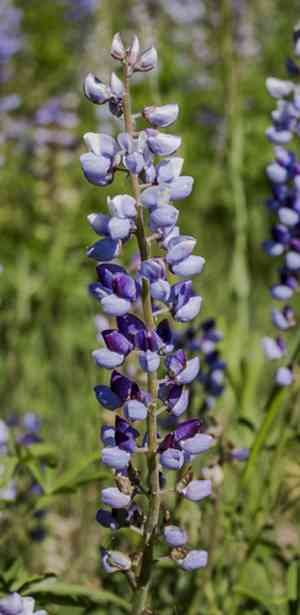
Relocate untamed Perennial Lupine during the pleasant period of late spring to early summer, once the ground is receptive. Select brightly lit areas that offer effective water runoff. Advice: Carefully separate the root mass to stimulate development in its new setting.
What Preparations are Needed Before Transplanting Wild Perennial Lupine?
What is the Ideal Time for Transplanting Wild Perennial Lupine?
The perfect time for moving wild Perennial Lupine is from late spring to early summer. This period benefits from warmer soil and longer days, aiding root development before the peak of summer. Relocating wild Perennial Lupine at this stage allows it to flourish, as the gentle seasonal shift provides an optimal balance of mild temperatures and sufficient growth time, ensuring a strong start for this elegant perennial.
How Much Space Should You Leave Between Wild Perennial Lupine Plants?
Ensure wild Perennial Lupine are adequately spaced. For robust, healthy development, aim for about 1-2 feet (30-60cm) between each plant. This provides your wild Perennial Lupine ample room to grow and thrive without becoming overcrowded.
What is the Best Soil Mix for Wild Perennial Lupine Transplanting?
Prepare the soil for wild Perennial Lupine with a well-draining base, such as sandy or loamy soil. Incorporate organic compost or a slow-release granular fertilizer to enrich the soil, providing an excellent foundation for your plants.
Where Should You Relocate Your Wild Perennial Lupine?
Select a location where wild Perennial Lupine will receive full sun to partial shade. These plants enjoy sunlight but can tolerate some shade. Therefore, your garden, patios, or south-facing windows are excellent choices!
What Equipments Should You Prepare Before Transplantation Wild Perennial Lupine?
Gardening Gloves
To safeguard your hands while handling plants and soil.
Shovel or Spade
Necessary for excavating the plant from its current spot and creating a hole at the new site.
Pruning Shears
For trimming roots if needed and reducing the plant's top growth to minimize transplant shock.
Garden Trowel
To dig smaller holes when moving from a pot or seedling tray.
Bucket or Wheelbarrow
For moving the extracted plant to its new position.
Watering Can or Garden Hose
To hydrate the wild Perennial Lupine plant before and after relocation.
How Do You Remove Wild Perennial Lupine from the Soil?
How Do You Remove Wild Perennial Lupine from the Soil?
From Ground: First, water the wild Perennial Lupine plant to moisten the soil, which will facilitate digging and reduce stress on the plant. Then, using a shovel, dig a wide trench around the plant, ensuring at least a foot or two of distance from the plant's base. Dig deep enough to keep the plant's root ball intact. Carefully work the spade beneath the root ball and steadily lift the plant from its original spot.From Pot: Similarly, water the pot thoroughly a few hours before transplanting. Then, invert the pot while supporting the wild Perennial Lupine's main stem with your fingers. Gently tap the pot's edges until the plant slides out.From Seedling Tray: Water the seedlings, then use a small trowel to dig under the root ball and lift the seedling.
Step-by-Step Guide for Transplanting Wild Perennial Lupine
Preparation
Prepare the new site by digging a hole that is twice as wide and as deep as the root ball. Loosen the soil at the bottom and sides of the hole.
Transfer
Gently place the wild Perennial Lupine plant into the hole. The top of the root ball should be level with the surrounding ground; adjust the soil underneath if necessary.
Backfill
Gradually refill the hole, gently firming the soil as you go to ensure no air pockets remain around the roots.
Watering
After transplanting, water the wild Perennial Lupine plant thoroughly, but avoid excessive watering.
How Do You Care For Wild Perennial Lupine After Transplanting?
Pruning
Trim back the wild Perennial Lupine plant by one-third after transplanting. This lessens the strain on the plant's roots to support the upper growth.
Watering
Maintain consistent moisture for the initial weeks until the plant has settled into its new environment. However, be careful not to overwater.
Weed Control
Keep the area around the plant clear of weeds to minimize competition for nutrients.
Monitoring
Observe the wild Perennial Lupine for any indications of transplant shock, such as wilting, discolored leaves, or stunted growth. If symptoms persist, consult a master gardener or local nursery.
Troubleshooting Common Issues with Wild Perennial Lupine Transplantation.
When's the ideal time of year to transplant wild Perennial Lupine?
The optimal season to move wild Perennial Lupine is during its third to fourth growth stages. As a friendly reminder, this typically occurs from late spring to early summer.
What's the best way to prepare wild Perennial Lupine for transplanting?
Before transplanting, water wild Perennial Lupine thoroughly to minimize transplant shock. Careful handling when digging and lifting the plant from the soil ensures minimal root damage.
How far apart should wild Perennial Lupine be spaced when transplanting?
Space wild Perennial Lupine approximately 1-2 feet apart (30.5-61 cm), ensuring each plant has sufficient room to grow and spread without competition.
Is there a specific soil type wild Perennial Lupine prefers for transplanting?
Wild Perennial Lupine thrives in well-drained soil with a pH of 6.0-7.5. If your soil is heavily clay-based or sandy, consider enriching it with organic matter beforehand.
How deep should the holes be when transplanting wild Perennial Lupine?
The hole should be twice as wide as the root ball and just as deep - no deeper. This allows the roots of wild Perennial Lupine to spread and develop optimally.
Should I prune wild Perennial Lupine before or after transplanting?
It is advisable to prune wild Perennial Lupine lightly after transplanting, not before. This helps the plant direct energy towards establishing roots, rather than upper growth.
How much should wild Perennial Lupine be watered after transplanting?
Give wild Perennial Lupine a thorough watering immediately after transplanting. Subsequent watering should be deep and infrequent to encourage roots to penetrate deeply into the soil layers.
Why are my transplanted wild Perennial Lupine's leaves turning yellow?
Yellow leaves can indicate overwatering or a lack of nutrients. Review your watering schedule and the plant's sun exposure.
How can I ensure wild Perennial Lupine survives after transplanting?
To ensure wild Perennial Lupine's survival, maintain an optimal watering routine, mulch roots to retain moisture, protect from extreme weather, and watch for signs of pests or disease.
Can wild Perennial Lupine be transplanted in a pot, and are there special considerations?
Yes, wild Perennial Lupine can be moved to a pot. Ensure the container has ample drainage and the potting soil is well-draining to prevent waterlogging.



