How to Transplant Gooseneck loosestrife?
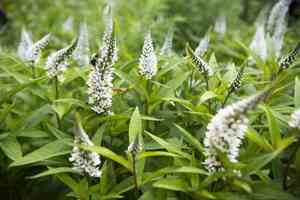
The optimal period for relocating gooseneck loosestrife is at the onset of its revitalization, generally during the initial growth stage of the year. Select a location featuring moist earth and dappled sunlight. Guarantee sufficient room for expansion, exercising a delicate yet steady hand when managing the root system.
What Preparations are Necessary Before Relocating Gooseneck Loosestrife?
When is the Best Time to Move Gooseneck Loosestrife?
The optimal period for relocating gooseneck loosestrife is during the mild conditions of spring. This season provides a combination of moderate temperatures and favorable soil conditions, promoting robust root development in gooseneck loosestrife and fostering vigorous growth. Spring transplantation allows gooseneck loosestrife ample time to settle in before the rigors of summer heat or winter cold. By selecting this opportune window, you ensure gooseneck loosestrife flourishes, showcasing its charming appeal throughout the garden.
How Much Area Should You Provide Between Gooseneck Loosestrife Plants?
When moving your gooseneck loosestrife, it's advisable to position each plant 2-3 feet (60-90 cm) apart. This provides sufficient room for their growth and prevents them from competing with each other.
What is the Ideal Soil Mixture for Gooseneck Loosestrife Relocation?
Prepare a soil that drains well and is enriched with organic material as your foundation. Incorporating a balanced granular fertilizer (e.g., 10-10-10) can supply your gooseneck loosestrife with the essential nutrients for thriving!
Where Should You Replant Your Gooseneck Loosestrife?
For optimal outcomes, select a garden location that receives full sun to partial shade. Your gooseneck loosestrife requires approximately 6 hours of daily sunlight to grow successfully.
What Tools Should You Prepare Before Relocating Gooseneck Loosestrife?
Spade or Garden Trowel
For excavating the plant and creating a new planting site.
Gardening Gloves
To safeguard your hands while handling soil and plants.
Water Can
To hydrate the soil in both the original and new locations of the gooseneck loosestrife.
Measuring Tape
To ensure proper spacing between multiple plants, if you are moving more than one.
Mulch
To assist the soil in retaining moisture post-transplantation.
How Do You Extract Gooseneck Loosestrife from the Ground?
How Do You Extract Gooseneck Loosestrife from the Ground?
From Ground: Start by watering the gooseneck loosestrife to moisten the soil, which facilitates easier plant removal without harming the root system. Using your spade or trowel, begin digging a circle around the plant's base. Ensure you dig deep enough to encompass most of the plant's roots, typically 8-10 inches for a mature specimen. Once the soil around the plant is loosened, position your tool beneath the root ball and gently lift the plant from the ground.
From Pot: If the gooseneck loosestrife is currently in a container, first water it thoroughly to simplify the removal process. Turn the pot on its side, hold the plant gently by its stems, and tap the bottom of the container until the plant slides out. You might need to give it a few gentle tugs to fully release the roots.
From Seedling Tray: Water the seedlings to dampen the soil. Then, using a dibber or your fingers, carefully lift the gooseneck loosestrife from the tray, taking as much soil with the roots as possible. Try to handle the seedlings by their leaves to avoid damaging the stem and roots.
From Pot: If the gooseneck loosestrife is currently in a container, first water it thoroughly to simplify the removal process. Turn the pot on its side, hold the plant gently by its stems, and tap the bottom of the container until the plant slides out. You might need to give it a few gentle tugs to fully release the roots.
From Seedling Tray: Water the seedlings to dampen the soil. Then, using a dibber or your fingers, carefully lift the gooseneck loosestrife from the tray, taking as much soil with the roots as possible. Try to handle the seedlings by their leaves to avoid damaging the stem and roots.
Step-by-Step Instructions for Relocating Gooseneck Loosestrife
Excavating the Hole
Begin by digging a hole in your chosen spot using your spade or trowel that is twice as wide and just as deep as the gooseneck loosestrife's root ball.
Preparing the Plant
If your gooseneck loosestrife is root-bound (meaning the roots are circling tightly within the pot), gently separate the roots before planting.
Planting
Position the gooseneck loosestrife in the hole, ensuring the top of the root ball is level with the soil surface. Backfill the hole with the soil you removed, gently firming it around the plant's base.
Watering
After planting, thoroughly water the gooseneck loosestrife, making sure the water reaches the roots.
Mulching
Apply a layer of organic mulch around the base of the gooseneck loosestrife to help retain soil moisture and suppress weed growth.
How Do You Care For Gooseneck Loosestrife After Relocation?
Watering
Water the gooseneck loosestrife consistently, adjusting for weather conditions; increase irrigation during dry periods. The soil should remain moist but not waterlogged.
Weed Control
Remove any weeds growing near your gooseneck loosestrife, as they can compete with your plant for nutrients.
Pruning
If the gooseneck loosestrife is a flowering type, remove the blooms during the first year after transplanting. This allows the plant to prioritize developing strong roots.
Addressing Common Issues with Gooseneck Loosestrife Relocation.
When is the best time to move gooseneck loosestrife?
The ideal period to relocate gooseneck loosestrife is from early spring to early summer, similar to moving residences when the weather is mild!
What is the optimal spacing between two gooseneck loosestrife when relocating?
To provide ample room for development, maintain a distance of approximately 2-3 feet (0.6 - 0.9 meters) between individual gooseneck loosestrife.
How much sunlight does gooseneck loosestrife require after relocation?
Gooseneck loosestrife thrives in light! It performs best in full sun to partial shade. Sufficient sunlight will aid its strong and vibrant growth.
How deep should the hole be for relocating gooseneck loosestrife?
The relocation hole should be wide and deep enough to fully accommodate the root system, roughly 10-12 inches (25-30 cm) deep.
What kind of soil is perfect for relocating gooseneck loosestrife?
Gooseneck loosestrife grows best in well-draining soil, rich in organic matter. A pH of 5.5 to 7 is ideal, facilitating optimal nutrient absorption.
How frequently should I water gooseneck loosestrife after relocation?
Consistent watering is crucial! During the first week after relocation, water gooseneck loosestrife daily. Afterward, adjust to watering 1-2 times per week based on weather conditions.
How long does gooseneck loosestrife take to establish after relocation?
Typically, gooseneck loosestrife requires about 3-4 weeks to become established. Remember, care and patience are vital components when nurturing your plant!
What if my relocated gooseneck loosestrife begins to wilt?
Wilting could be due to root damage during relocation or excessive watering. Trim off the wilting sections and water moderately to see if conditions improve.
Can I relocate gooseneck loosestrife to a container?
Absolutely! Ensure the container is spacious, allows for proper drainage, and fill it with nutrient-rich, well-drained soil for the best outcomes.
Should I add fertilizer when relocating gooseneck loosestrife?
Yes, to stimulate initial growth, incorporate a time-release fertilizer into the planting hole. This will supply nutrients gradually over several months.



