How to Transplant Macademia?
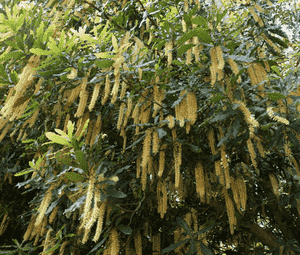
The perfect period for relocating macadamia is during its vigorous growth phase, spanning from mid-spring through early summer, which guarantees it benefits from temperate conditions. Select a bright spot with soil that drains effectively. Should it be necessary, apply mulch after transplanting to retain hydration.
Necessary Preparations Before Relocating Macademia?
Optimal Period for Macademia Relocation?
The ideal time for moving macademia is during the warmth of late spring to early summer. This period offers stable temperatures, aiding root development without extreme weather stress, allowing macademia to acclimate. Transplanting in this growth-supportive season provides macademia ample time to strengthen before cooler months, ensuring robust growth. Approach this task carefully, ensuring methodical soil preparation and watering, to give macademia the best start in its new spot.
Required Spacing Between Macademia Plants?
When preparing to move macademia, allow ample room for their development. Position them approximately 15-20 feet (4.5-6 meters) apart. This spacing ensures each plant has sufficient area to thrive without competition. Remember, more space generally leads to better growth!
Best Soil Mixture for Macademia Relocation?
Macademia prefers well-drained soils. Ensure you prepare a base blend of sandy and loamy soil. Provide your plants with a slow-release fertilizer to guarantee a rich supply of nutrients. This will set them up for a healthy beginning!
Optimal Location for Macademia Relocation?
Macademia flourishes in full sun to partial shade. Select a site where your plant can absorb sunlight for at least 6 hours daily. Excessive shade might hinder their growth, so prioritize a sunny location if feasible.
Equipment to Prepare Before Transplanting Macademia?
Gardening Gloves
To safeguard your hands while handling soil and plants.
Spade or Shovel
Essential for excavating the plant from its original spot and preparing the new site.
Garden Pruning Shears
For trimming any damaged or excessively long macademia roots prior to replanting.
Garden Fork
Useful for loosening compacted soil around the plant's root system or at the new planting location.
Watering Can or Hose
To hydrate the plant before and after its relocation.
Garden Trowel
A small hand tool for digging minor holes, beneficial for transplanting smaller plants or young seedlings.
Wheelbarrow or similar transport
To move the macademia from its initial position to the new transplant site if it is a mature specimen.
How to Extract Macademia from the Soil?
How to Extract Macademia from the Soil?
From Ground: Begin by watering the macademia plant to moisten the earth. Use a spade or shovel to dig a circle around the plant, keeping the tool at least 10-12 inches from the plant's base. Aim to preserve as much of the root ball as possible. Gently lift the plant with the spade, supporting the root ball.From Pot: Water the potted plant. Then, tilt the pot on its side or invert it, carefully holding the macademia at its base. Tap the pot's bottom to encourage the root ball to slide out. If the plant resists, do not pull; instead, cut the pot away if possible.From Seedling Tray: Water the tray until the soil is damp. Gently hold the macademia seedling by its leaves (never the stem), and use a gardening trowel or similar tool to lift the seedling and its root ball from the tray's cell.
Step-by-Step Guide for Relocating Macademia
Preparation
Once the macademia is ready for relocation, prepare your new site by digging a hole two to three times wider than the root ball and of equal depth. Loosen the soil at the bottom of the hole with a garden fork.
Inspection
Examine the macademia's root ball, using pruning shears to remove any damaged or overly long roots.
Placement
Position the macademia in the hole, centering it, ensuring the top of the root ball is level with or slightly below ground. Avoid burying the root ball too deeply.
Backfill
Refill the hole with the original soil or a compost mixture, gently firming the soil around the macademia's base to secure it and eliminate air pockets.
Watering
Thoroughly water the macademia after planting to ensure it is well-hydrated.
Establishment
For the initial days following relocation, closely monitor the plant, increasing watering frequency.
Post-Transplant Care for Macademia
Water Management
Maintain consistent moisture in the soil around the macademia, avoiding waterlogging, for the first month after transplanting. This promotes root establishment in its new environment.
Nutrient Supply
One to two weeks post-transplant, begin feeding with a mild, balanced, organic plant food to encourage root development.
Protection
Monitor for pests or diseases that could threaten the newly transplanted macademia. If any signs appear, take prompt, appropriate action.
Pruning
Remove dead or dying foliage to alleviate energy-draining stress on macademia and stimulate new growth after transplant.
Resolving Common Macademia Transplantation Issues.
When is the best time of year to move macademia?
The most suitable period to transplant macademia is between late spring and early autumn, or S2-S4. This can help macademia recover more quickly from transplant shock.
Is there an optimal spacing guideline for planting macademia?
Yes, ideally, you should position macademia trees approximately 15-20 feet (4.5-6.1 meters) apart. This ensures they have ample room to grow and doesn't impede their access to sunlight or nutrients.
My macademia appears wilted after transplanting, what should I do?
Do not worry! Post-transplant wilting is common. Maintain consistent watering, shield it from direct afternoon sun, and allow it time to adapt to its new surroundings. It should gradually recover.
How should I prepare the soil before transplanting macademia?
Macademia prefers well-drained soil, rich in organic matter. Before transplanting, enrich the soil with compost or well-rotted manure. Ensure the pH is slightly acidic, between 5.5 and 6.5.
What's the ideal hole size when transplanting macademia?
The hole should be twice as wide and only as deep as the macademia's root ball. This allows roots easy access to soil nutrients and moisture, fostering growth.
Do I need to water macademia frequently after transplanting?
Frequent watering is crucial initially. Water thoroughly after transplanting, and then, for the first few weeks, ensure the soil remains consistently moist but avoid waterlogging, which can cause rot.
Should macademia be pruned after transplanting?
It's not necessary to prune macademia immediately after transplanting. Allow it to establish first; pruning can be done later in the year to shape the tree and remove deadwood.
What should I do if macademia doesn't produce flowers after transplanting?
Flowering can be impacted by transplanting. Maintain appropriate care and feeding, as macademia might require some time to adjust and begin flowering in its new location.
How to protect macademia from pests and diseases after transplanting?
Regularly inspect macademia for signs of pests and diseases. Using neem oil or insecticidal soap can manage many pests. If disease symptoms persist, seek advice from a professional or local nursery.
What should I do if macademia's growth seems stunted after transplanting?
Ensure macademia receives sufficient sunlight, water, and nutrients. If growth remains stunted despite these, check for pests, disease, or pH imbalance in the soil. A soil test can help identify nutrient deficiencies.



