How to Transplant Bigleaf magnolia?
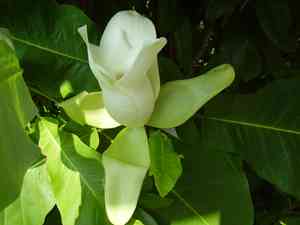
Bigleaf magnolia transplantation flourishes when performed in the mild temperatures of late spring to early summer, facilitating a seamless adjustment away from the coolness of early spring. Select a sheltered spot with soil that drains effectively and provide generous watering after relocation to foster establishment.
What Preparations are Needed Before Transplanting Bigleaf Magnolia?
What is the Ideal Time for Transplanting Bigleaf Magnolia?
The optimal period for relocating bigleaf magnolia is from late spring to early summer. This timeframe offers consistent temperatures and mild weather, providing bigleaf magnolia with the necessary conditions for root establishment without the stress of extreme heat or cold. By transplanting in this season, you're allowing bigleaf magnolia to strengthen its roots during its peak growth phase, ensuring a smooth transition and vigorous development. Additionally, the consistent springtime moisture helps the soil settle, reducing the need for frequent watering. Choosing this period for your gardening efforts will set bigleaf magnolia up for success, giving it the best chance to flourish in its new location.
How Much Space Should You Leave Between Bigleaf Magnolia Plants?
Allow ample room for your bigleaf magnolia to expand! Since mature bigleaf magnolia can reach heights of 10-15 feet (3-4.5 meters), spacing your plants approximately the same distance apart prevents overcrowding. Remember, they require their own space to thrive!
What is the Best Soil Mix for Bigleaf Magnolia Transplanting?
To prepare for your bigleaf magnolia, select soil that is well-drained and rich. Incorporate a foundational fertilizer to provide a nutrient boost. Organic matter, such as compost or aged manure, serves as an excellent fertilizer. This will ensure your bigleaf magnolia remains vibrant and healthy!
Where Should You Relocate Your Bigleaf Magnolia?
Your bigleaf magnolia thrives in sunlight! Locate a spot in your garden where it can receive partial to full sun exposure. However, be cautious of intense direct midday sun, as it can cause harm. A balance between sunlight and shade is ideal for the bigleaf magnolia!
What Equipments Should You Prepare Before Transplantation Bigleaf Magnolia?
Gardening Gloves
To safeguard your hands while handling the plant and soil.
A Spade or Shovel
Essential for excavating the bigleaf magnolia plant and preparing the new planting site.
Garden Trowel
Useful for smaller or more precise digging tasks.
Watering Can or Hose
Required to hydrate the plant both prior to and following transplantation.
Garden Fork
Helps to loosen compacted soil.
Gardening Pruner
To trim any damaged roots or branches.
Wheelbarrow
Facilitates moving the plant if it is large or heavy.
How Do You Remove Bigleaf Magnolia from the Soil?
How Do You Remove Bigleaf Magnolia from the Soil?
From Ground: Start by thoroughly watering the bigleaf magnolia plant to moisten the surrounding soil. Once the water has been absorbed, use a spade to dig a wide trench around the plant, ensuring the root ball remains intact. Gradually work the spade beneath the root ball and carefully lift the plant.From Pot: Water the bigleaf magnolia thoroughly, allowing excess water to drain from the pot's bottom. Once the soil is damp, tilt the pot on its side and gently slide the plant out, supporting the root ball as you do so.From Seedling Tray: Briefly dip the tray in water to moisten the soil. Use a garden trowel or similar tool to loosen the soil around the seedlings. Then, gently hold the seedling by its leaves, not the stem, and carefully remove it, retaining as much soil with the roots as possible.
Step-by-Step Guide for Transplanting Bigleaf Magnolia
Prep The Hole
Begin by digging a hole that is at least twice the width and slightly deeper than the bigleaf magnolia's root ball. Loosen the soil at the bottom and sides of the hole with a garden fork.
Place The Plant
Carefully position the bigleaf magnolia into the hole. The top of the root ball should be level with or slightly above the surrounding soil to allow for settling.
Backfill The Hole
Fill in around the plant with soil, gently firming as you go to eliminate any air pockets.
Water Thoroughly
Water the bigleaf magnolia thoroughly after planting, saturating the root ball and surrounding soil.
How Do You Care For Bigleaf Magnolia After Transplanting?
Watering
Ensure the bigleaf magnolia receives regular watering after transplanting, especially during the initial weeks as it establishes its root system. However, avoid excessive watering to prevent root rot.
Pruning
Any damaged or diseased parts of the plant should be trimmed to encourage healthy growth.
Monitoring
Observe the bigleaf magnolia for indications of stress, such as wilting or discoloration. Consult a gardening expert or seek online advice if these are noticed.
Troubleshooting Common Issues with Bigleaf Magnolia Transplantation.
What is the ideal season for transplanting bigleaf magnolia?
The optimal time to transplant bigleaf magnolia is between late spring and early autumn, as this provides perfect conditions for root development.
What is the ideal distance to space bigleaf magnolia when transplanting?
Ensure bigleaf magnolia is spaced approximately 10-15 feet (3-4.5 meters) apart from each other. This allows them adequate room to grow without becoming overcrowded.
What size should the hole be when transplanting bigleaf magnolia?
The hole should be twice as wide as the root ball, but not deeper. This ensures that bigleaf magnolia is planted at the correct depth.
How should the roots of bigleaf magnolia be prepared before transplanting?
Soak the roots of bigleaf magnolia in water for about 20 minutes before transplanting to hydrate them. But be careful not to over-soak.
Do I need to amend the soil when transplanting bigleaf magnolia?
Yes, enriching the soil with compost or well-rotted manure can supply essential nutrients that bigleaf magnolia needs for healthy growth.
How often should I water bigleaf magnolia after transplanting?
Water bigleaf magnolia thoroughly after transplanting, then regularly for the first few weeks. Ensure the soil is moist but not waterlogged.
Is there specific care required for bigleaf magnolia after transplanting?
Keep a close watch on bigleaf magnolia after transplanting, looking for signs of stress or disease. If the leaves wilt or change color, watering may need adjustment.
How can I protect bigleaf magnolia from frost after transplanting?
If frost is anticipated, protect bigleaf magnolia using straw or leaves. This insulation helps prevent cold damage to the newly transplanted plant.
Do I need to use a specific type of fertilizer when transplanting bigleaf magnolia?
You can use a slow-release balanced fertilizer when first transplanting bigleaf magnolia. It provides nutrients and encourages healthy root development.
Is there a preferred time of day to transplant bigleaf magnolia?
The best time to transplant bigleaf magnolia is in the early morning or late evening. This avoids the heat of the day, and stress to the plant.



