How to Transplant Brazilian jasmine?
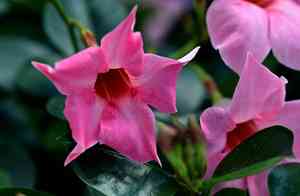
Relocating brazilian jasmine flourishes from mid-spring through late-spring, or mid-autumn to late-autumn, to circumvent harsh temperatures. Select a bright, adequately drained spot for brazilian jasmine. Carefully untangle roots if they are pot-bound, and irrigate generously after transplanting to ensure a smooth adjustment.
Essential Preparations Before Relocating Brazilian Jasmine
Optimal Period for Moving Brazilian Jasmine?
The most favorable time to move brazilian jasmine is during mid to late spring or mid to late autumn. This offers prime growing conditions and minimizes relocation stress, ensuring a robust, flourishing plant.
Required Spacing Between Brazilian Jasmine Plants?
When relocating brazilian jasmine, ensure ample room for development. Plan to position each plant approximately 3-6 feet (91-183 cm) apart. This will allow their beautiful tendrils to expand and thrive.
Best Soil Blend for Brazilian Jasmine Relocation?
Prepare the ground using a well-draining mixture rich in organic material. Incorporate a slow-release granular feed, following the product instructions, to supply brazilian jasmine with vital nutrients.
Where to Position Your Brazilian Jasmine?
Relocate brazilian jasmine to a spot where they can receive full sun to partial shade. Ideally, aim for at least 5-6 hours of daily sunlight to ensure their vibrant blossoms flourish. Happy planting!
Equipment Needed Before Relocating Brazilian Jasmine?
Gardening Gloves
To safeguard your hands while handling the soil and plant material.
Shovel or Spade
For excavating holes and extracting the plant from its initial spot.
Trowel
For digging smaller cavities and refining the transplant site.
Pruner or Scissors
To snip off any lifeless or damaged roots and shoots.
Stakes and Ties
To offer support to the brazilian jasmine plant post-relocation.
Compost or Organic Matter
To enrich the earth and encourage vigorous development.
Watering Can or Hose
To thoroughly hydrate the plant after its move.
How to Extract Brazilian Jasmine from the Ground?
How to Extract Brazilian Jasmine from the Ground?
- From Ground:First, hydrate the brazilian jasmine plant to moisten the soil. Next, excavate a broad trench around the plant using a shovel or spade, ensuring the plant's root ball remains intact. Carefully work the spade beneath the root ball to lift the plant from its original position.- From Pot:Water the potted brazilian jasmine plant prior to removing it from the container. Turn the pot on its side and gently loosen the soil by tapping the pot's edges. Carefully slide the plant out of the pot, supporting the root ball with your hand.- From Seedling Tray:Water the brazilian jasmine seedlings to make the soil damp. Use a small trowel or fork to gently extract the seedlings from the tray, taking care not to harm the delicate roots. Hold the seedlings by their leaves instead of the stems, as the stems are more fragile.
Step-by-Step Guide for Relocating Brazilian Jasmine
Location Selection
Choose a spot with adequate sunlight and room for your brazilian jasmine plant to reach its mature dimensions.
Excavating the Hole
Using a shovel or spade, dig a hole that is twice as wide and as deep as the root ball of the brazilian jasmine plant.
Soil Preparation
Blend compost or organic material into the soil you've removed from the hole to create a rich, well-draining soil mixture.
Plant Placement
Gently lower the brazilian jasmine plant into the hole, ensuring the root ball sits slightly above the soil surface. Fill the hole halfway with the prepared soil, then water gently to help settle the soil around the roots.
Completing the Planting
Fill the hole with the remaining soil, pressing it down gently to eliminate any air pockets. Create a slight mound around the base of the plant to help direct water to the roots.
Staking
If necessary, use stakes and ties to provide support to the brazilian jasmine plant, allowing for some movement to promote strong stem growth.
Watering
Thoroughly water the brazilian jasmine plant to help establish it in its new location.
Post-Relocation Care for Brazilian Jasmine
Watering
Maintain consistent moisture in the soil around the brazilian jasmine, avoiding sogginess, for the initial weeks after relocation to aid in root establishment.
Pruning
Regularly trim your brazilian jasmine to encourage dense growth and remove any dead or damaged parts.
Feeding
Apply a balanced, slow-release fertilizer according to package directions during the growing season to support healthy development and blooming.
Pest and Disease Management
Monitor for pests and diseases, addressing them promptly with suitable methods to preserve the health of your brazilian jasmine plant.
Winter Care
For perennial brazilian jasmine plants in colder regions, provide winter protection by mulching around the plant's base, and reduce watering during the dormant winter months.
Resolving Common Issues with Brazilian Jasmine Relocation.
When is the best time to move brazilian jasmine?
The optimal relocation period for brazilian jasmine is mid to late spring, or mid to late fall, ensuring peak growth and vitality.
How much space does brazilian jasmine require during relocation?
Allow 3-6 feet (0.9-1.8 meters) of space between plants, to provide room for healthy development and proper air circulation.
What soil type is ideal for relocating brazilian jasmine?
Select well-draining, fertile soil, ideally with a pH of 6.0 to 6.5. Amend with compost or organic matter if necessary.
How deep should brazilian jasmine be planted during relocation?
Dig a hole slightly larger than the root ball, approximately 1 foot (30 cm) deep. Place the plant in and backfill with soil.
What steps should I take to prevent transplant shock in brazilian jasmine?
Water the plant thoroughly before and after relocation, and shield it from direct sun, wind, and extreme temperatures for about a week.
How much should I water brazilian jasmine after relocation?
Keep the soil consistently moist but never waterlogged. Adjust watering frequency based on weather and soil type, to prevent overwatering.
How can I encourage brazilian jasmine to strengthen after relocation?
Utilize a balanced, slow-release fertilizer after relocation, and prune any dead or damaged sections to direct energy towards new growth.
How do I safeguard my newly relocated brazilian jasmine from pests?
Regularly inspect the plant for pest indicators, and employ organic or chemical treatments as needed to prevent and manage infestations.
Can I relocate brazilian jasmine near other plants and trees?
Yes, but ensure brazilian jasmine has sufficient space from other plants as specified. Companion planting with other annuals or perennials can offer additional advantages.
If brazilian jasmine isn't thriving after relocation, what should I do?
Monitor the plant's condition, and adjust watering, sun exposure, and fertilization as required. Consult an expert if growth issues persist.



