How to Transplant Cassava?
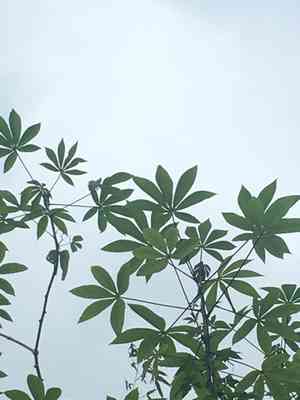
For cassava, the most suitable period for relocation is the warm and bright stretch from mid-spring to late summer. Select a sun-drenched, adequately draining spot to ensure thriving development. During the transplanting process, carefully manage the cassava to avoid harming its delicate root system.
What Preparations are Needed Before Transplanting Cassava?
What is the Ideal Time for Transplanting Cassava?
The optimal period for moving cassava is from the mild middle of spring to the bright peak of late summer. This timeframe allows cassava to utilize warmer temperatures for prime development. Efficiently relocating cassava during this interval promotes robust growth, improved survival rates, and increased yield. Be assured, you'll be making a sound decision when transplanting in this season. It's a beneficial undertaking for your cassava cultivation journey, leading to a flourishing and healthy garden!
How Much Space Should You Leave Between Cassava Plants?
To provide your cassava ample room to flourish, it's advisable to space them approximately 2-3 feet (60-90 cm) apart. This guarantees sufficient area for proper root expansion and prevents overcrowding among the plants.
What is the Best Soil Mix for Cassava Transplanting?
For successful establishment, cassava thrives in well-draining, sandy loam soil with a pH range of 5.0-6.5. Incorporate organic matter, such as compost or aged manure, to enhance soil structure and supply the essential nutrients your cassava requires.
Where Should You Relocate Your Cassava?
Select a site for your cassava that receives full sun exposure, meaning at least 6 hours of direct sunlight daily. This will aid your plant in growing strong and healthy, yielding an abundant harvest in the future.
What Equipments Should You Prepare Before Transplantation Cassava?
Gardening Gloves
To safeguard your hands while handling the plant and working with the soil.
Shovel
To excavate the hole and loosen the soil for the cassava plant.
Wheelbarrow
Useful for moving the cassava plant from its original spot to the new location.
Trowel
For more precise control when managing the plant and transplant site.
Hose or Watering Can
For hydrating the plant after relocation.
How Do You Remove Cassava from the Soil?
How Do You Remove Cassava from the Soil?
From Ground: Water the cassava plant the day prior to your intended transplant. This softens the ground, making it easier to dig. Using a shovel, carefully dig around the plant, about a foot away from the stem to avoid root damage. Dig deep enough to get beneath the root ball, then gently lift the plant from the ground.From Pot: Water your cassava plant thoroughly, then turn the pot on its side, hold it gently, and tap the bottom to slide it out. Avoid pulling on the stems or leaves. Only handle it by the root ball.From Seedling Tray: Gently hold the cassava plant by its leaves. Use a trowel or your hand to push the soil from underneath to lift the seedling out.
Step-by-Step Guide for Transplanting Cassava
Preparation
Prepare the transplanting location. The hole should be twice as wide and equally as deep as the root ball.
Placement
Position the cassava plant into the hole, ensuring the top of the root ball is level with the surrounding soil surface.
Fill In
Backfill the hole with the excavated soil. Gently but firmly compact the soil around the base of the cassava plant to eliminate any air pockets.
Watering
Thoroughly water the plant, making sure the entire root zone is moist. Avoid immediate fertilization to prevent overwhelming the roots.
How Do You Care For Cassava After Transplanting?
Watering
Water the cassava plant regularly, especially during the initial 2 weeks post-transplant. This promotes robust root development.
Mulch
Applying mulch at the base can help maintain soil moisture.
Trimming
Trim any weak or excessively long roots before transplanting your cassava plant. Post-transplant, remove any dead or dying leaves to optimize the plant's energy use and hasten recovery.
Observation
Regularly monitor the cassava plant for indications of stress or disease, such as wilting or discolored leaves. If symptoms persist, seek plant care advice.
Troubleshooting Common Issues with Cassava Transplantation.
When's the ideal time for transplanting cassava?
The best time to transplant cassava is from mid-spring to late summer. This season offers optimal conditions for its growth.
What is the appropriate distance I should maintain between cassava plants during transplantation?
Provide each cassava plant ample room to grow. Maintain a distance of 2-3 feet (60-90 cm); this will ensure they don't compete for nutrients and sunlight.
What kind of soil does cassava need for successful transplantation?
Cassava prefers well-drained, sandy soil with a pH of 6 to 6.5. The soil should be rich in organic matter for improved growth and yield.
What should I do if my cassava shows signs of wilting after transplanting?
Wilting may be due to insufficient water. Ensure that the cassava plant is adequately watered but not waterlogged. Mulching can also help retain moisture.
How deep should I plant cassava during transplantation?
The planting hole for cassava should be approximately 10-12 inches (25-30 cm) deep. This depth ensures the roots have sufficient space to establish and grow.
Why isn't my transplanted cassava growing actively?
Inadequate sunlight, unsuitable soil conditions, or insufficient water might be reasons. Cassava requires full sunlight and regular watering to encourage active growth.
How can I protect my cassava from pests and diseases while transplanting?
Following an IPM (Integrated Pest Management) strategy can help safeguard your cassava. It involves regularly monitoring for pests, using disease-free plants, and applying organic or synthetic pesticides when necessary.
Can I transplant cassava alongside other plants?
Yes, you can. However, ensure that the companion plants are not invasive or aggressive, as they might impede the growth and development of the cassava.
Whatâs the best fertilizer to use when transplanting cassava?
Cassava benefits from balanced fertilizers with NPK - Nitrogen, Phosphorus, and Potassium. Organic options like compost or chicken manure can also be beneficial.
How do I ensure successful transplantation of cassava under harsh weather conditions?
If weather conditions are extreme, consider cultivating cassava in a controlled environment like a greenhouse. Also, maintain regular watering and shield the plants from strong winds or frost.



