How to Transplant German chamomile?
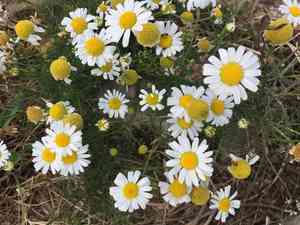
For German chamomile, the optimal period for relocation is from mid-spring through early summer, as this timeframe provides the most favorable cultivation environment. Select a brightly lit spot with soil that drains effectively to support healthy development. Bear in mind that careful management of the root system is crucial for a successful transfer.
What Preparations are Needed Before Transplanting German Chamomile?
What is the Ideal Time for Transplanting German Chamomile?
The prime window for relocating german chamomile spans from mid-spring through early summer. This optimal period offers german chamomile suitable conditions for development. Moving german chamomile during this time guarantees a long, healthy growing season before winter's arrival, bringing shorter days and cooler temperatures. Establishing roots in the pleasant warmth of mid-spring helps german chamomile adapt to a new setting with ease.
How Much Space Should You Leave Between German Chamomile Plants?
For german chamomile, position your transplants approximately 12-18 inches (30-45 cm) apart. This will provide ample room for their growth and flourishing.
What is the Best Soil Mix for German Chamomile Transplanting?
Prepare the soil for german chamomile by utilizing well-drained, slightly acidic soil. Incorporate some organic compost or aged manure to supply additional nutrients and enhance soil structure.
Where Should You Relocate Your German Chamomile?
Choose a garden location for german chamomile that receives full sun or partial shade. They will benefit from at least 6 hours of daily sunlight to support robust growth.
What Equipments Should You Prepare Before Transplantation German Chamomile?
Gardening Gloves
For hand protection when handling the plant and soil.
Digging Shovel or Spade
For excavating holes in the ground and lifting plants.
Garden Pruners
To trim the german chamomile plant prior to transplanting.
Watering Can or Hose
To hydrate the plant before and after its relocation.
Plant Support Stakes (if needed)
To offer stability to the german chamomile plant post-transplanting, as they can sometimes droop once they begin to flower.
How Do You Remove German Chamomile from the Soil?
How Do You Remove German Chamomile from the Soil?
From Ground: Start by watering the german chamomile plant to moisten the soil. Next, use your shovel or spade to dig a wide trench around the plant, ensuring the root ball stays intact. Then, carefully work the tool beneath the root ball to lift the plant from the ground.From a Pot: First, water the german chamomile plant; this will facilitate its removal from the pot. Turn the pot sideways, gently hold the plant with one hand, and with the other hand, tap the pot's rim on a firm surface to release the plant. If it doesn't come out easily, roll the pot between your hands and try again.From Seedling Tray: Water the seedlings, then gently push the tray's bottom to free each seedling. Be careful not to harm the roots or stems during this process
Step-by-Step Guide for Transplanting German Chamomile
Digging the Hole
First, excavate a hole twice the width and the same depth as the pot or root ball of the german chamomile plant. The wider hole will allow roots ample space to spread and grow.
Positioning the Plant
Remove the german chamomile plant from its initial spot and center it in the hole, ensuring the top of the root ball is level with the soil surface. Try to handle the plant by its root ball to minimize stress.
Backfilling the Hole
Refill the hole with soil, gently firming it around the root ball. Resist the urge to press too hard; the soil should be snug, but not compressed.
Watering
Thoroughly water the german chamomile plant after transplantation to settle the soil and eliminate air pockets around the roots.
Providing Support
If the german chamomile plant appears to be drooping, insert a stake into the ground beside it and loosely tie the plant to it for support.
How Do You Care For German Chamomile After Transplanting?
Watering
Water the german chamomile plant consistently to ensure the soil remains damp. However, be cautious not to overwater, as this can lead to root rot.
Pruning
Trim the german chamomile plant to manage its size and maintain its vitality. Regular pruning encourages fuller, more robust growth.
Inspecting for Pests
Periodically check the plant for any indications of pests or disease. If you detect a problem, address it promptly to prevent its spread.
Temperature
Monitor weather forecasts for any sudden temperature shifts. If frost is anticipated, consider covering the german chamomile plant or using a cloche to safeguard its delicate leaves.
Troubleshooting Common Issues with German Chamomile Transplantation.
When is the best time to transplant german chamomile?
The optimal period for relocating german chamomile is from the peak of spring to the start of summer.
How far apart should I space german chamomile when transplanting?
Space german chamomile 12-18 inches (30-46 cm) apart to allow for ideal growth and air circulation.
What should I do if the german chamomile wilts after transplanting?
German chamomile might wilt due to transplant shock. Ensure consistent watering, but avoid saturation. The plant should recover within a few days.
Why are my transplanted german chamomile seedlings not growing?
Stunted growth can result from insufficient soil nutrients, lack of sunlight, or watering problems. Evaluate these conditions and make adjustments as needed.
Does german chamomile require any special soil for transplantation?
German chamomile thrives in well-draining soil with a slightly acidic to neutral pH. Enriching your soil with organic matter can boost its fertility.
How deep should I plant german chamomile when transplanting?
Place german chamomile into the soil at the same depth it was previously growing. Avoid planting it too deeply.
How do I water german chamomile after transplanting?
Water german chamomile gently and thoroughly, ensuring the soil is moist but not waterlogged. It's crucial to prevent overwatering to avoid root rot.
What should I do if the leaves of german chamomile are turning yellow after transplanting?
Yellowing leaves often indicate overwatering or poor drainage. Adjust watering practices and confirm the soil drains properly. If necessary, you can also amend the soil.
Should I fertilize german chamomile after transplanting?
After transplanting german chamomile, you can lightly fertilize it with a balanced fertilizer. However, it's not essential if the soil is rich in organic matter.
Is it normal for german chamomile to drop a few flowers after transplanting?
Yes, some flower loss can occur due to transplant stress. Normal growth should resume shortly with proper plant care.



