How to Transplant Snow-in-summer?
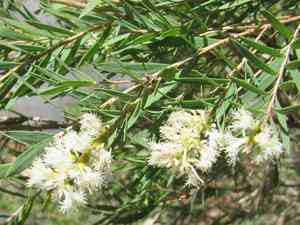
The ideal period for transplanting snow-in-summer spans from the warmth of late spring through midsummer, facilitating a seamless adjustment. Choose a location bathed in sunlight featuring soil that drains effectively. Bear in mind that snow-in-summer prospers most when afforded generous room to expand following its relocation.
What Preparations are Needed Before Transplanting Snow-in-summer?
What is the Ideal Time for Transplanting Snow-in-summer?
The optimal period for relocating snow-in-summer is during the gentle shift from late spring into early summer. This timeframe offers moderate temperatures and extended daylight, enabling snow-in-summer to establish robust roots without the intense heat stress common in mid-summer. Moving snow-in-summer at this point leverages its natural growth cycle, fostering vigorous development. By selecting this prime window, you not only facilitate snow-in-summer's adjustment to its new spot but also set the stage for a vibrant display of its unique foliage and blooms.
How Much Space Should You Leave Between Snow-in-summer Plants?
When planning to move your snow-in-summer, ensure adequate spacing for each plant to thrive. Ideally, allow 2-3 feet (60-90 cm) between individual plants. This provides ample room for growth without overcrowding.
What is the Best Soil Mix for Snow-in-summer Transplanting?
The snow-in-summer prefers soil that drains well, typically sandy or loamy is most suitable. Ensure the soil is prepared with a foundational fertilizer before transplanting. A slow-release fertilizer can be a good option for novices as it nourishes plants consistently.
Where Should You Relocate Your Snow-in-summer?
Regarding placement, the snow-in-summer thrives in sunny locations! Select an area that receives full sun exposure for the majority of the day. Do not be concerned about high temperatures, this snow-in-summer is quite tolerant of sun and handles heat rather well.
What Equipments Should You Prepare Before Transplantation Snow-in-summer?
Gardening Gloves
Protects hands from dirt, debris, and potential irritants during work.
Spade or Shovel
Used for excavating the snow-in-summer from its original site and preparing the new planting hole.
Garden Trowel
For refining the planting cavity and scooping out earth.
Wheelbarrow or Garden Cart
For moving the plant from one spot to another.
Watering Can
To moisten the soil before transplant and hydrate the plant after transplant.
How Do You Remove Snow-in-summer from the Soil?
How Do You Remove Snow-in-summer from the Soil?
From Ground: First, hydrate the snow-in-summer plant to moisten the earth. Using a spade or shovel, dig around the plant broadly and deeply enough to avoid harming the root system. Carefully work the spade beneath the root ball, lifting the plant from its initial position.From Pot: For snow-in-summer plant in a container indoors, water the plant first, allowing it to absorb for several hours. Then, tilt the pot sideways and gently pull the plant by the base of its stems. With your other hand, support the root ball and soil; it should slide out together.From Seedling Tray: Wait until snow-in-summer has developed a few true leaves (not the initial leaves that emerge). Water the seedling tray, then push up from the bottom of the cell to lift the seedling out, supporting the root and attached soil.
Step-by-Step Guide for Transplanting Snow-in-summer
Hole Preparation
Excavate a hole approximately double the size of the snow-in-summer's root ball in the chosen location.
Positioning
Place the snow-in-summer in the center of the hole, ensuring the top of the root ball is level with the soil surface.
Backfilling
Carefully refill around the root ball with excavated soil, gently firming to eliminate air pockets.
Watering
Once planted, water thoroughly and allow the plant to settle.
Adding Mulch
To retain moisture and suppress weeds, apply mulch around the plant, leaving some clear space at the base.
How Do You Care For Snow-in-summer After Transplanting?
Protection
Shield the snow-in-summer from direct and harsh weather conditions for a few weeks following transplant. Consider using a shade cloth if necessary.
Watering
Ensure consistent moisture without saturating the soil. Regular irrigation is crucial until the plant establishes itself.
Weeding
Regularly remove weeds from the area surrounding the snow-in-summer to prevent competition for nutrients.
Observation
Monitor for signs of transplant shock, such as wilting foliage or stunted growth. If observed, consider consulting a local nursery or extension service.
Troubleshooting Common Issues with Snow-in-summer Transplantation.
When is the best time to transplant snow-in-summer?
The optimal period for transplanting snow-in-summer is during late spring to early fall (S3-S5) to encourage root development.
What spacing should I maintain when transplanting snow-in-summer?
To promote healthy growth, it's best to keep a distance of about 2-3 feet (60-90 cm) between each snow-in-summer.
What is the ideal soil condition for transplanting snow-in-summer?
Snow-in-summer prefers well-draining soil. If the soil is too dense or clayey, amend it with compost or coarse sand to improve drainage.
How deep should I plant snow-in-summer during transplant?
Transplant snow-in-summer so the root ball is flush with or slightly below the soil surface. This helps prevent plant rot.
How should I water snow-in-summer after transplanting?
Water snow-in-summer thoroughly immediately after transplanting. Afterward, provide regular watering but ensure the soil never becomes waterlogged.
Should I prune snow-in-summer prior to transplanting?
Indeed, a light pruning of snow-in-summer before transplanting can reduce stress and aid in moisture retention.
What should I do if my transplanted snow-in-summer starts wilting?
Wilting after transplant can indicate transplant shock. Water it gently and place it in a partially shaded area until it recovers.
Should I fertilize snow-in-summer after transplanting?
Applying a slow-release fertilizer after transplanting snow-in-summer can stimulate root growth. Just avoid excessive fertilization which can cause burning.
How long does snow-in-summer take to settle after transplantation?
Typically, snow-in-summer requires about 2-3 weeks to settle and display signs of new growth. Be patient and attentive throughout this process.
What if leaves of my snow-in-summer turn yellow after transplanting?
Yellow leaves might signal overwatering or a nutrient deficiency. Check soil moisture and provide a balanced fertilizer if necessary.



