How to Transplant Smallflower melicgrass?
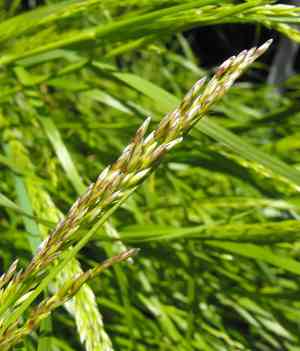
The optimal period for transplanting smallflower melicgrass spans from the beginning of spring's renewal through the mild temperatures of late spring, or alternatively, during its dormant phase from early winter to the core of mid-winter. Select a location offering suitable illumination and soil hydration for a smooth adjustment. Adhere to these recommendations to ensure vigorous development following its relocation.
What Preparations are Needed Before Transplanting Smallflower Melicgrass?
What is the Ideal Time for Transplanting Smallflower Melicgrass?
The best period to move smallflower melicgrass is from the refreshing phase of early spring until just before summer starts, or as winter's cold begins to lessen towards its middle. This timing aligns with smallflower melicgrass's natural growth cycle, allowing roots to establish in moderate soil conditions. Transplanting during these cooler, moister times encourages strong root development without the stress of extreme heat. Your smallflower melicgrass will flourish, benefiting from the earth's awakening nutrients or seizing the calm before winter's rest.
How Much Space Should You Leave Between Smallflower Melicgrass Plants?
To provide your smallflower melicgrass with ample room to flourish, aim for a comfortable distance of approximately 12-18 inches (30-46 cm) from adjacent plants. This ensures sufficient air circulation and growth area for each specimen.
What is the Best Soil Mix for Smallflower Melicgrass Transplanting?
Prepare an inviting environment for your smallflower melicgrass by utilizing soil that drains well and is rich in organic matter. Prior to transplanting, incorporate a balanced, slow-release fertilizer to give your smallflower melicgrass a healthy start.
Where Should You Relocate Your Smallflower Melicgrass?
Select a location for your smallflower melicgrass that receives full sun to partial shade. An area that enjoys morning sunlight but benefits from some afternoon shade would be ideal for these plants.
What Equipments Should You Prepare Before Transplantation Smallflower Melicgrass?
Gardening Gloves
To safeguard your hands while handling soil and smallflower melicgrass.
Spade or Shovel
For excavating smallflower melicgrass from its current spot and preparing the new planting site.
Watering Can or Hose
To hydrate the smallflower melicgrass both before and after relocation.
Wheelbarrow
To move the smallflower melicgrass and soil if needed, especially when transferring between different areas.
Pruning Shears
To trim any dead or damaged roots or foliage prior to transplanting.
Garden Fork
To loosen and aerate the ground around the new planting location.
Mulch
To help maintain moisture and regulate soil temperature around the smallflower melicgrass post-transplant.
Staking Materials (Optional)
If the smallflower melicgrass is tall or top-heavy, supports and garden ties might be necessary to stabilize the plant.
How Do You Remove Smallflower Melicgrass from the Soil?
How Do You Remove Smallflower Melicgrass from the Soil?
From Ground: Start by watering the smallflower melicgrass to moisten the soil, making it easier to manage. Use a garden fork to gently loosen the soil surrounding the smallflower melicgrass, taking care not to harm the root ball. Once the soil is loose, use a spade to dig a wide trench around the smallflower melicgrass, then carefully slide the spade under the root ball to lift the plant from its current spot.From Pot: Water the smallflower melicgrass thoroughly. Turn the pot on its side, hold the plant gently at its base, and tap the bottom of the pot to dislodge it. You might need to squeeze the pot or run a spade along the inner edge to help free the root ball. Once loose, carefully ease the smallflower melicgrass out while supporting the soil and roots.From Seedling Tray: Water the seedlings to facilitate soil removal. Use a spoon or a small hand tool to gently lift the smallflower melicgrass from its cell, being careful not to damage the delicate roots. Support the soil and root ball as you extract the plant.
Step-by-Step Guide for Transplanting Smallflower Melicgrass
Prepare the New Site
Clear the area of weeds and debris. Use a garden fork to loosen the soil in the new spot, ensuring the space is wide and deep enough to accommodate the smallflower melicgrass's root ball.
Inspect the Root Ball
Before relocating, examine the root ball of the smallflower melicgrass. Use pruning shears to remove any broken or damaged roots, which will encourage new growth and help the plant establish faster.
Dig the Hole
In the prepared area, excavate a hole that is twice as wide and as deep as the smallflower melicgrass's root ball. This allows the roots to spread out easily.
Position the smallflower melicgrass
Place the smallflower melicgrass in the center of the hole. Ensure it stands upright and at the same soil level it was previously growing at—neither deeper nor higher.
Backfill the Hole
Gently refill the hole with soil, supporting the smallflower melicgrass to prevent air pockets. Lightly pat the soil around the base of the smallflower melicgrass to secure it.
Water Thoroughly
After transplanting, generously water the smallflower melicgrass to help settle the soil around the roots and promote good contact between the soil and the root ball.
Apply Mulch
Spread a layer of mulch around the base of the smallflower melicgrass, keeping it a few inches away from the stem to prevent rot. Mulch helps retain moisture and suppresses weeds.
Stake if Necessary
If the smallflower melicgrass is tall or needs support, insert stakes around its perimeter and gently tie the plant to them, allowing for some movement.
How Do You Care For Smallflower Melicgrass After Transplanting?
Watering
Water the smallflower melicgrass consistently to keep the soil moist, especially during dry periods, as it establishes. Avoid excessive watering to prevent root rot.
Checking for Pests and Diseases
Monitor the smallflower melicgrass for any indications of pests or diseases. Early detection can lead to more effective treatment.
Adjusting Stakes and Ties
Periodically check stakes and ties to ensure they are not too tight and provide adequate support as the smallflower melicgrass grows.
Pruning
Prune the smallflower melicgrass to remove any dead or damaged foliage, which promotes healthy growth and improves air circulation around the plant.
Troubleshooting Common Issues with Smallflower Melicgrass Transplantation.
When is the best time to transplant smallflower melicgrass?
Optimal times are early to late spring or early to mid-winter, as mild temperatures aid root establishment without extreme stress.
How far apart should I space smallflower melicgrass when transplanting?
Space smallflower melicgrass approximately 12-18 inches (30-45 cm) apart. This provides room for growth and ensures proper air circulation.
What soil type is best for transplanting smallflower melicgrass?
Smallflower melicgrass thrives in well-draining soil rich in organic matter. Improve poor soil with compost before transplanting.
How deep should I plant smallflower melicgrass's roots?
Transplant smallflower melicgrass so the root ball is flush with the soil surface. Planting too deep can lead to rot.
Should I water smallflower melicgrass immediately after transplanting?
Yes, provide smallflower melicgrass with a thorough watering to settle the soil around the roots and help reduce transplant shock.
How can I tell if smallflower melicgrass is properly rooted after transplanting?
Look for new growth, which indicates successful rooting. Avoid tugging on the plant to check for root stability.
Can I use fertilizer when transplanting smallflower melicgrass?
It's advisable to wait 4-6 weeks before fertilizing to prevent burning new roots. Initially, prioritize soil quality.
My smallflower melicgrass looks wilted after transplanting, what should I do?
Wilting is common due to transplant shock. Ensure adequate watering and allow it time to adapt to its new location.
What should I do if smallflower melicgrass isn't thriving after transplanting?
Re-evaluate the planting site for appropriate sunlight, moisture, and soil conditions. Adjust care as necessary for improvement.
Is mulching beneficial for smallflower melicgrass after transplanting?
Yes, mulching helps retain soil moisture, regulate temperature, and suppress weeds that compete with smallflower melicgrass for resources.



