How to Transplant Chinese silver grass?
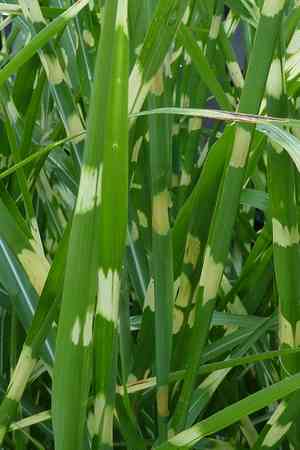
For Chinese silver grass, the optimal period for relocation is from early to mid-spring or from mid to late-autumn, since these periods provide moderate temperatures and sufficient precipitation for rapid rooting. Select a site with abundant sunlight and ensure the ground drains effectively. Bear in mind that careful handling of the specimen can contribute to a successful transfer.
What Preparations are Needed Before Transplanting Chinese Silver Grass?
What is the Ideal Time for Transplanting Chinese Silver Grass?
The optimal period for relocating chinese silver grass is from early to mid-spring or mid-autumn to late autumn. These times are perfect as chinese silver grass can easily establish itself in its new spot and maximize its development. This timing also enriches the soil, enhances plant vitality, and aids in better root anchoring. Planting chinese silver grass during these windows ensures your garden remains lush and vibrant throughout the year. Remember, a well-timed transplant is the key to a flourishing chinese silver grass specimen!
How Much Space Should You Leave Between Chinese Silver Grass Plants?
For chinese silver grass to flourish, ensure a separation of 3-5 feet (0.9-1.5 meters) between individual plants. This provides them with ample room to grow and develop their root system.
What is the Best Soil Mix for Chinese Silver Grass Transplanting?
Prepare well-draining soil, incorporating a blend of loam, sand, and some organic material for chinese silver grass. Before planting, mix in a foundational fertilizer such as compost or aged manure to boost soil nutrients.
Where Should You Relocate Your Chinese Silver Grass?
Select a site that receives at least 6 hours of daily sunlight for chinese silver grass. A sun-drenched location is perfect for encouraging robust growth and beautiful blossoms in your garden.
What Equipments Should You Prepare Before Transplantation Chinese Silver Grass?
Gardening Gloves
These are essential for protecting your hands while handling soil and the plant.
Spade or Shovel
This implement will assist in both excavating and lifting the chinese silver grass.
Garden Trowel
The trowel will be utilized for precise digging, especially when extracting the chinese silver grass from a smaller container.
Pruning Shears
Pruning shears will be useful for trimming any dead or unhealthy portions of the chinese silver grass prior to relocation.
Watering Can
A watering can equipped with a fine rose is crucial for the initial watering after transplantation.
How Do You Remove Chinese Silver Grass from the Soil?
How Do You Remove Chinese Silver Grass from the Soil?
From Ground: Start by irrigating the chinese silver grass plant to moisten the soil. The soil should be pliable and adhere to the roots without becoming muddy. Then, using your spade or shovel, dig a wide trench around the plant, being careful not to harm the root ball. Gently work the spade beneath the root ball to lift the chinese silver grass from its original spot.From Pot: Watering the chinese silver grass before removal will simplify the process. Gently grasp the base of the stem and carefully invert the pot. Tap the bottom of the pot to help the chinese silver grass slide out.From Seedling Tray: If the chinese silver grass is in a seedling tray, carefully loosen the soil around the edges using a small tool or your fingers. Lift the chinese silver grass by the base of its stem, supporting its root ball.
Step-by-Step Guide for Transplanting Chinese Silver Grass
Preparation
Begin by digging a hole, approximately twice the width of the root ball and of equal depth. Place the excavated soil on a tarp or in a garden cart.
Placing chinese silver grass
Position the chinese silver grass in the hole, ensuring that the top of the root ball is level with the surrounding soil. Avoid planting too deeply as this could harm the plant.
Backfill
Refill the hole with the soil you previously removed. Gently firm the soil around the base of the chinese silver grass to eliminate air pockets.
Watering
Water the chinese silver grass thoroughly using your watering can. The water should penetrate the soil rather than accumulate on the surface.
How Do You Care For Chinese Silver Grass After Transplanting?
Watering
It is important to keep the chinese silver grass adequately hydrated after transplantation. Aim for consistent moisture but avoid waterlogging, which could lead to root rot.
Pruning
Trim a portion of the plant's top to reduce water loss post-transplantation and encourage vigorous growth.
Protection
Consider adding a protective barrier around the chinese silver grass if it's planted in a windy location or where wildlife might interfere.
Monitoring
Keep a close watch on the chinese silver grass. It is normal for the plant to show some signs of shock, such as wilting or leaf drop, but these should subside.
Troubleshooting Common Issues with Chinese Silver Grass Transplantation.
When is the best time to transplant chinese silver grass?
You should ideally transplant chinese silver grass in early to mid-spring or from mid-fall to the end of fall. This helps the plant establish before extreme weather conditions.
What is the ideal spacing for chinese silver grass during transplantation?
When you're transplanting chinese silver grass, each plant should be spaced approximately 3-5 feet (0.91-1.52 meters) apart. This provides them with sufficient room to thrive.
Are there any tips to ensure successful transplantation of chinese silver grass?
Yes, absolutely! Make sure the hole for chinese silver grass is twice as wide as the pot. Also, the top of the root ball should be level with the soil surface.
What type of soil suits chinese silver grass for successful transplantation?
Chinese silver grass adapts well to various soil types. However, it flourishes best in well-draining soil. Ensure the soil is adequately moist but not waterlogged.
After transplantation, how frequently should chinese silver grass be watered?
Chinese silver grass performs well in moist conditions but can also tolerate drought. After transplantation, water it thoroughly and then maintain moderate watering, adjusting based on weather conditions.
What kind of light conditions are preferred by chinese silver grass post-transplantation?
Chinese silver grass prefers full sun to light shade. So, make sure you transplant it in an area that receives ample sunlight or has bright, indirect light.
What should be the depth of the hole for transplanting chinese silver grass?
The hole should ideally be two times wider than the pot and deep enough so the root ball is level with or slightly below the ground surface.
What can I do if my transplanted chinese silver grass is wilting?
Wilting after transplant might result from insufficient water retention. Ensure the soil is moist and provide regular water, but avoid overwatering.
Is it necessary to prune chinese silver grass during transplantation?
It's not mandatory but advisable. Pruning chinese silver grass back to 4-6 inches (10-15cm) during transplantation can promote new growth and allow the plant to focus on establishing roots.
Do I need to fertilize chinese silver grass post-transplant?
It's not mandatory, but a slow-release fertilizer can encourage healthy growth. Keep in mind, too much fertilizer can be harmful, so use it sparingly.



