How to Transplant Green carpetweed?
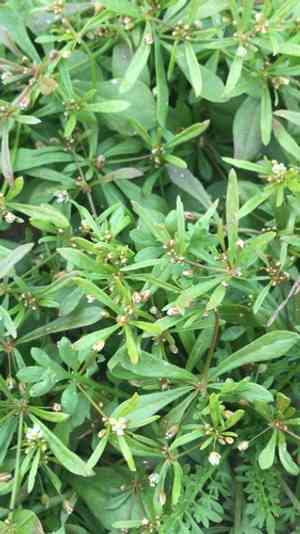
The optimal period for relocating green carpetweed is during the peak of spring, allowing sufficient time for establishment. Select a bright location featuring soil that drains effectively for this procedure. Bear in mind that green carpetweed flourishes most effectively when it has ample space to expand.
What Preparations are Needed Before Transplanting Green Carpetweed?
What is the Ideal Time for Transplanting Green Carpetweed?
The optimal period for relocating green carpetweed is during the peak vigor of mid to late spring. This time of renewed growth ensures green carpetweed establishes roots in warming soil, benefiting from extended daylight and ample rain, which aid its adaptation and development. Choosing this season for your green carpetweed transfer will help guarantee a lush, healthy spread. This is a natural time of renewal when green carpetweed can thrive with the right start.
How Much Space Should You Leave Between Green Carpetweed Plants?
For proper spacing, aim to plant your green carpetweed seedlings approximately 0.5-1 foot (15-30 cm) apart. This provides sufficient room for them to spread fully and grow without competing for resources.
What is the Best Soil Mix for Green Carpetweed Transplanting?
Your green carpetweed will flourish best in soil that drains well and is enriched with organic matter. Incorporate a foundational fertilizer such as compost or manure before planting to boost soil nutrients, fostering robust plant development.
Where Should You Relocate Your Green Carpetweed?
Placement is crucial for green carpetweed. Select a site that receives full to partial sun exposure for several hours daily to ensure your plant gets the necessary natural light.
What Equipments Should You Prepare Before Transplantation Green Carpetweed?
Gardening Gloves
To safeguard your hands while handling soil and green carpetweed.
Trowel
Useful for excavating small holes and loosening the earth around the green carpetweed.
Shovel or Spade
Helpful for digging larger holes, especially when moving mature green carpetweed from the ground.
Watering Can
To moisten the soil both before and after the transplanting process.
Secateurs
Effective for trimming any damaged roots or stems.
Bucket
To transport the green carpetweed from one spot to another.
How Do You Remove Green Carpetweed from the Soil?
How Do You Remove Green Carpetweed from the Soil?
From Ground: First, hydrate the green carpetweed plant to moisten the soil. Next, excavate a wide trench around it using a shovel or spade, ensuring its root ball remains intact. Carefully work the spade beneath the root ball to lift the green carpetweed from its original position.From Pot: Start by watering the green carpetweed. Tilt the pot sideways, gently hold the plant by its base, and attempt to slide it out. If unsuccessful, you may need to cut the pot away.From Seedling Tray: Water the green carpetweed thoroughly. Use a trowel to carefully scoop out the seedling, taking care not to harm the delicate roots. Ensure you hold the seedling by its leaves, not the easily damaged stem.
Step-by-Step Guide for Transplanting Green Carpetweed
Digging Hole
Excavate a hole that is twice as wide and as deep as the root ball of your green carpetweed.
Placement
Gently position the green carpetweed in the hole, ensuring it is not planted deeper than its previous location. Backfill the hole, lightly firming the soil around the plant.
Watering
Thoroughly water the green carpetweed after transplanting. This aids in settling the soil around the root ball.
Monitoring
For the initial week, inspect the green carpetweed daily to confirm it is adapting well to its new environment.
How Do You Care For Green Carpetweed After Transplanting?
Mulching
Apply a layer of organic mulch around the green carpetweed to help retain moisture and inhibit weed growth.
Pruning
Trim any dead or decaying parts of the green carpetweed using secateurs. This directs the plant's energy towards new growth.
Feeding
Once the green carpetweed has established itself (4-6 weeks post-transplant), consider applying a slow-release fertilizer to encourage vigorous growth. Always adhere to the instructions on the fertilizer packaging.
Monitoring
Regularly inspect the green carpetweed for pests and diseases, and take prompt action at the first sign of trouble.
Troubleshooting Common Issues with Green Carpetweed Transplantation.
When is the best time to transplant green carpetweed?
The optimal period to transplant green carpetweed is during the latter half of its first year to early in its second year(S2-S3).
How far apart should I space green carpetweed when transplanting?
For successful growth, green carpetweed should ideally be spaced approximately 0.5-1 foot (15-30 cm) apart during transplantation.
What should I do if green carpetweed doesn't seem to thrive after transplanting?
Ensure green carpetweed receives adequate sunlight and water. Too much or too little of either can impede growth. If the issue persists, check for signs of disease.
Why are my newly transplanted green carpetweed wilting?
Green carpetweed might be experiencing transplant shock. Be sure to water them thoroughly after transplantation and shield them from harsh weather conditions.
How deep should I plant green carpetweed during transplantation?
Bury green carpetweed's roots completely in the soil, but ensure the stem is not covered more than an inch (2.5 cm). Planting too deep might hinder growth.
Why are the leaves of my transplanted green carpetweed turning yellow?
If green carpetweed's leaves are yellowing, it could indicate overwatering or a nutrient deficiency. Adjust watering practices and consider using a balanced fertilizer.
What's the best way to water green carpetweed after transplanting?
Water green carpetweed deeply but infrequently, allowing the soil to partially dry out between watering sessions. This promotes robust root development.
How should I prepare the soil for transplanting green carpetweed?
The soil should be well-draining, and a slow-release fertilizer can be added to aid initial growth. Ensure it's loose and not clumpy before planting green carpetweed.
Can I transplant green carpetweed near other plants?
Yes, green carpetweed can coexist with other plants. However, maintain the recommended spacing of 0.5-1 foot (15-30 cm) to prevent growth hindrance from overcrowding.
What should I do if pests are affecting my transplanted green carpetweed?
If pests are an issue, consider using a mild, plant-safe pesticide. Always follow the manufacturer's instructions to protect the health of green carpetweed.



