How to Transplant Scarlet beebalm?
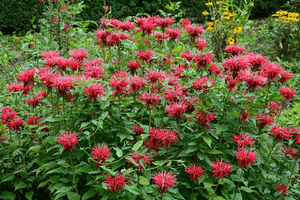
Relocate scarlet beebalm optimally at the onset of the growing season, as it thrives with the elevated temperatures and heightened humidity of early spring. Select a site featuring adequately draining earth and exposure to full to partial sunlight. Should it be necessary, amend the soil before transplantation to encourage luxuriant development.
What Preparations are Needed Before Transplanting Scarlet Beebalm?
What is the Ideal Time for Transplanting Scarlet Beebalm?
Early spring offers the perfect conditions for relocating scarlet beebalm, as the plant thrives in warming soil. This timing not only gives scarlet beebalm a head start on its growth cycle but also aids in developing robust roots before summer arrives. This protects the plant from heat stress and promotes vigorous, colorful blooms in subsequent seasons.
How Much Space Should You Leave Between Scarlet Beebalm Plants?
When moving scarlet beebalm, allow ample room for growth by spacing them approximately 2-3 feet (60-90 cm) apart. This ensures they have sufficient space to thrive and avoid competing for essential resources.
What is the Best Soil Mix for Scarlet Beebalm Transplanting?
Prior to transplanting scarlet beebalm, amend the soil with well-decomposed compost or organic material. This plant flourishes in damp, humus-rich soil that drains effectively. Incorporating a balanced slow-release fertilizer will supply vital nutrients and encourage healthy development.
Where Should You Relocate Your Scarlet Beebalm?
Select a location with full sun or partial shade for transplanting scarlet beebalm. These plants prefer at least 6 hours of daily sunlight but can endure light shade. Ensure the area has good air circulation to prevent diseases and support strong growth.
What Equipments Should You Prepare Before Transplantation Scarlet Beebalm?
Gardening Gloves
To safeguard your hands while handling soil and scarlet beebalm.
Shovel or Spade
To excavate the scarlet beebalm from its original spot and prepare the new planting hole.
Watering Can or Hose
To hydrate the scarlet beebalm both before and after its relocation.
Fertilizer (optional)
To enrich the new site with nutrients for enhanced plant development.
Wheelbarrow (optional)
To move the scarlet beebalm from its initial position to the new one, especially for larger specimens.
Secateurs or Pruning Shears
To trim any damaged or diseased portions of the scarlet beebalm prior to transplanting.
Mulch
To help the soil retain moisture and inhibit weed growth that could compete with the scarlet beebalm.
How Do You Remove Scarlet Beebalm from the Soil?
How Do You Remove Scarlet Beebalm from the Soil?
From Ground: To extract the scarlet beebalm from the ground, begin by moistening the soil around the plant to facilitate root loosening. Use a shovel or spade to carefully dig around the plant, ensuring you capture a sufficient portion of the root ball. Gently lift the plant from the soil and promptly place it in a wheelbarrow or on a tarp to prevent root damage.From Pot: If scarlet beebalm is in a pot, water the soil and lightly tap the pot's sides to dislodge the plant. Tilt the pot sideways and carefully slide the plant out, taking care not to pull on the stems or foliage. Support the root ball to prevent soil from falling away.From Seedling Tray: If moving scarlet beebalm from a seedling tray, gently squeeze the bottom of the individual cell or use a spoon to lift the seedling. Avoid touching the stem or roots when extracting the seedling.
Step-by-Step Guide for Transplanting Scarlet Beebalm
Preparation
Thoroughly water the scarlet beebalm several hours before transplanting to minimize stress on the plant.
Site Preparation
Excavate a hole in the garden that is twice the width and the same depth as the scarlet beebalm's root ball.
Transplanting
Carefully position the scarlet beebalm in the hole, ensuring it sits at the same soil level as it did in its previous location. Backfill the hole halfway with soil, then water generously to help the soil settle around the roots. Afterward, fill the remaining space with soil.
Final Touch
After transplanting, you can apply a layer of mulch around the plant, keeping it away from the stem. This aids in conserving soil moisture and inhibiting weed growth.
How Do You Care For Scarlet Beebalm After Transplanting?
Watering
Always maintain consistent moisture in the soil around the scarlet beebalm, but avoid waterlogging, especially during the initial weeks post-transplant.
Pruning
If the scarlet beebalm exhibits any signs of damaged or dead branches, leaves, or flowers after relocation, trim these parts to redirect the plant's energy towards new growth.
Monitoring
Closely observe the scarlet beebalm for any indications of stress or disease. If the leaves turn yellow or droop, it may require more water. If brown spots appear, it could be due to disease or pests.
Troubleshooting Common Issues with Scarlet Beebalm Transplantation.
When is the ideal time to transplant scarlet beebalm?
The best period to move scarlet beebalm is early spring, just as fresh growth begins to emerge.
What's the ideal spacing when transplanting scarlet beebalm?
For optimal development, ensure a distance of 2-3 feet (60-90 centimeters) between each scarlet beebalm plant.
What is a common pitfall to avoid when transplanting scarlet beebalm?
Refrain from planting scarlet beebalm too deeply. The top of the root ball should be flush with or slightly above the soil surface.
Why does my transplanted scarlet beebalm look wilted after moving?
Transplant shock can cause wilting, but recovery is possible. Water regularly, but avoid overwatering, which can lead to root rot.
How do I prepare the soil for transplanting scarlet beebalm?
Prepare a hole twice the width of your scarlet beebalm's root ball. Incorporate organic matter like compost to enhance drainage and nutrient content.
Should I prune scarlet beebalm before transplanting?
Absolutely! Pruning up to one-third of the scarlet beebalm plant can lessen transplant shock by reducing the amount of water the plant loses.
Is there a specific depth to bury scarlet beebalm when transplanting?
The root ball of scarlet beebalm should be covered by approximately 1 inch (2.5 cm) of soil, ensuring the crown is not planted too deeply.
How do I handle the roots when transplanting scarlet beebalm?
Be gentle during transplanting. Loosen the root ball without causing significant damage to prevent the plant from becoming root-bound.
How much water is required after transplanting scarlet beebalm?
Keep the soil consistently moist but not waterlogged. Excessive watering can cause root rot, while insufficient watering may lead to dehydration and wilting.
Do I need to add fertilizers after transplanting scarlet beebalm?
Not immediately. However, once scarlet beebalm has acclimated to its new location, a slow-release, organic fertilizer can be quite beneficial.



