How to Transplant Chinese sacred lily?
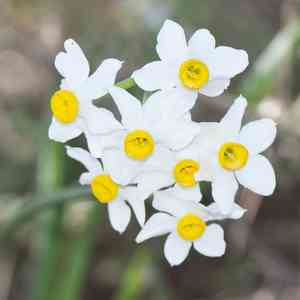
The ideal period for relocating chinese sacred lily spans from the beginning to the end of spring, since the milder climate fosters peak development. Select a site featuring soil that drains effectively and receives partial sunlight. Should it be required, enrich the soil to enhance its drainage capabilities. Enjoy your gardening endeavors!
Essential Preparations Before Relocating Chinese Sacred Lily
Optimal Timing for Transplanting Chinese Sacred Lily?
chinese sacred lily flourishes when moved from early spring through late spring, a period of revitalization. This timeframe is beneficial due to rejuvenating, warm sunlight that encourages growth – truly perfect. By transplanting now, you enhance its chances of thriving and enjoying a robust blooming season. Remember, correct timing sets the stage for a flourishing chinese sacred lily.
Recommended Spacing Between Chinese Sacred Lily Plants?
For chinese sacred lily, an ideal separation is approximately 6 inches (15 cm). This provides ample room for healthy development and beautiful blossoms.
Best Soil Mixture for Chinese Sacred Lily Transplanting?
To prepare the perfect spot for relocating chinese sacred lily, use soil that drains well and is rich in organic matter. Before planting, incorporate a layer of compost or a slow-release balanced fertilizer.
Where to Replant Your Chinese Sacred Lily?
Select a transplanting site for chinese sacred lily where it will receive bright sunlight but avoid intense heat. Partial shade in the afternoon is optimal for robust growth.
Equipment Needed Before Transplanting Chinese Sacred Lily?
Gardening Gloves
To safeguard your hands while handling soil and the plant.
Shovel or Spade
For excavating holes and extracting the plant from its initial spot.
Trowel
For digging smaller holes and refining the transplanting cavity.
Pruning Shears
To trim any damaged or dead roots, if necessary.
Watering Can or Hose
To hydrate the chinese sacred lily plant before and after relocation.
Organic Compost or Fertilizer
To supply essential nutrients to the plant during transplantation.
How to Extract Chinese Sacred Lily from the Soil?
How to Extract Chinese Sacred Lily from the Soil?
From Ground: First, moisten the chinese sacred lily plant to dampen the soil. Then, dig a wide trench around the plant using a shovel or spade, ensuring the plant's root ball remains intact. Carefully work the spade beneath the root ball and lift the plant from its original position.From Pot: Water the chinese sacred lily plant and gently compress the sides of the pot to loosen the root ball. Carefully tilt the pot sideways and gently slide the root ball out, taking care not to harm the roots.From Seedling Tray: Use a small trowel or your fingers to carefully lift the chinese sacred lily seedling from the tray, making sure to keep its root ball intact and avoid damaging the roots.
Step-by-Step Guide for Relocating Chinese Sacred Lily
Location Selection
Choose a spot with adequate sunlight and space for your chinese sacred lily plant to reach its mature size.
Digging the Hole
Use a shovel or spade to excavate a hole that is twice as wide and deep as the root ball of the chinese sacred lily plant. If the soil is poor, mix in some organic compost or fertilizer.
Plant Preparation
Trim any damaged or dead roots from the chinese sacred lily plant using pruning shears.
Positioning the Plant
Gently place the plant in the hole, ensuring the top of the root ball is level with the soil surface.
Backfilling the Hole
Carefully refill the hole with the soil you removed earlier, making sure there are no air pockets and the plant is securely anchored.
Watering
Give the chinese sacred lily plant a thorough soaking with your watering can or hose, ensuring the soil settles around the roots.
Mulching
Add a layer of organic mulch around the base of the plant to help retain moisture and suppress weeds. Ensure the mulch does not touch the plant stem.
Post-Transplant Care for Chinese Sacred Lily
Watering
Keep the soil around the chinese sacred lily consistently moist, but not waterlogged, for the initial weeks after transplanting to aid in establishing strong roots.
Fertilizing
Apply an organic compost or fertilizer a few weeks after transplanting to maintain nutrient levels and ensure healthy growth.
Pruning
Trim any dead or damaged leaves, flowers, or stems to encourage the development of new healthy foliage.
Monitoring
Keep a close watch on your newly transplanted chinese sacred lily for signs of poor health or pest infestations, and address any issues promptly.
Resolving Common Issues with Chinese Sacred Lily Transplantation.
When is the best time to transplant chinese sacred lily?
The ideal period to transplant chinese sacred lily is from early to late spring, when it thrives most effectively.
How much spacing is required for chinese sacred lily during transplantation?
Ensure a gap of approximately 6 inches (15 cm) between each chinese sacred lily. This allows for maximum growth potential.
Why are the leaves of my transplanted chinese sacred lily turning yellow?
Yellow leaves may indicate over-watering or inadequate drainage. Verify if your plant has proper soil drainage and try to adjust the watering schedule.
Can I transplant chinese sacred lily using just the bulbs?
Yes, you can! Chinese sacred lily bulbs store all the necessary nutrients for survival, making them perfect for transplantation. Be careful not to damage them as you dig them up.
Why aren't my transplanted chinese sacred lily flowering?
Chinese sacred lily may not bloom if it's not planted at the correct depth or receiving sufficient sunlight. The bulb should be planted 3 inches (7.5 cm) deep and get ample light daily.
What can I do with a withered chinese sacred lily post-transplant?
First, evaluate the plant's environment. Over-exposure to sun, wind, or extreme temperatures can cause wilting. Move the plant to a more favorable location and gently water it.
How do I protect transplanted chinese sacred lily from pests?
Regularly inspect the leaves and soil for pests. Use organic pesticides if necessary. Remove affected leaves to prevent the spread of infection to the entire plant.
How often should I water the chinese sacred lily after transplanting?
Water it thoroughly immediately after transplanting. Thereafter, keep the soil moist but not excessively wet, watering every 5-6 days, adjusting based on atmospheric humidity and temperature.
Why is my chinese sacred lily not growing after transplanting?
The reason could be insufficient sunlight or nutrients, incorrect planting depth, or even an unsuitable planting site. Verify these factors and consider making adjustments if needed.
What type of soil is best for transplanting chinese sacred lily?
Chinese sacred lily prefers well-draining soil – this helps the bulbs avoid waterlogging and rotting. Rich and sandy soils with some compost work excellently.



