How to Transplant Cape jewels?
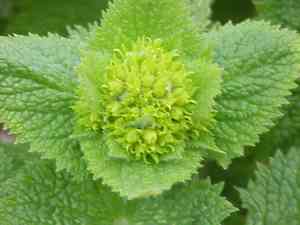
Relocate cape jewels during mid-spring to ensure the best root development. Select a bright location featuring soil that drains effectively. In warmer climates, offer protection from the afternoon sun. Bear in mind, cape jewels flourishes most successfully with gentle, attentive nurturing throughout its adjustment period.
What Preparations are Needed Before Transplanting Cape Jewels?
What is the Ideal Time for Transplanting Cape Jewels?
The best time to transplant cape jewels is in mid-spring. This period offers mild weather, promoting robust root growth and adaptation. Moving cape jewels at this time ensures their success, utilizing the season's gentle temperatures and increasing daylight for healthy development. Settling cape jewels before summer heat encourages abundant blooms. A friendly reminder: transplanting cape jewels now prepares for a vibrant and colorful garden display.
How Much Space Should You Leave Between Cape Jewels Plants?
When relocating cape jewels, allow each plant ample room, ideally about 0.5-1 feet (15-30 cm) apart. This spacing enables them to thrive without competing for nutrients or water. It's like their own personal comfortable zone!
What is the Best Soil Mix for Cape Jewels Transplanting?
For cape jewels, prepare the soil with a foundational fertilizer and ensure excellent drainage. A sandy or loamy soil type is preferred. This nutritional boost will jumpstart their growth, making them stronger and healthier!
Where Should You Relocate Your Cape Jewels?
Select a sunny spot for cape jewels. These plants enjoy plenty of sunlight, but they also appreciate some afternoon shade. Imagine it as their favorite beach getaway – warm sun, cool shade, pure contentment!
What Equipments Should You Prepare Before Transplantation Cape Jewels?
Gardening gloves
To safeguard your hands from soil and any potential irritants present in the cape jewels plant.
Trowel
To assist in digging and carefully lifting the plant without harming its roots.
Watering can
For hydrating the cape jewels plant both before and after its relocation.
Gardening Fork
To loosen the soil during transplanting, ensuring it isn't overly compacted.
Pruner
To trim away any damaged or diseased portions of the cape jewels.
Garden Spade
To excavate appropriately sized holes for the cape jewels.
Marker
To indicate the locations where cape jewels has been moved.
How Do You Remove Cape Jewels from the Soil?
How Do You Remove Cape Jewels from the Soil?
From Ground: First, moisten the cape jewels plant to dampen the soil. Then, use a spade to dig a circle around the plant. The circle should be approximately 6-12 inches from the plant, depending on its size, to prevent root damage. Work the spade beneath the root ball to gently lift the plant from the ground.From Potted Plants: Water the cape jewels plant and allow it to sit for a few minutes. Invert the pot while supporting the plant's base and gently tap the bottom until the plant slides out.From Seedling Tray: Water the tray beforehand and let it rest for a while. Gently push the bottom of each cell to release the cape jewels seedlings. Remember to handle seedlings by their leaves, not their stems, to avoid injury.
Step-by-Step Guide for Transplanting Cape Jewels
Root examination
After removal, inspect the roots of the cape jewels plant and remove any dead, decaying, or damaged sections. Use the pruner for this task.
Digging
Excavate a hole with the garden spade that is twice the width of the root ball and as deep as its original planting depth.
Placement
Position the cape jewels plant in the hole, ensuring the top of the root ball is level with the surrounding soil.
Back-filling
Refill the hole with the excavated soil, breaking up any large clumps.
Watering
Thoroughly water the cape jewels plant and place a marker if necessary.
How Do You Care For Cape Jewels After Transplanting?
Monitoring
Regularly observe the cape jewels plant for any indications of stress or illness. The leaves should remain healthy and vibrant in color. Any alteration signals stress.
Regular watering
Water the cape jewels plant thoroughly and consistently, but be cautious of overwatering. The soil should stay moist, but not waterlogged. Adjust your watering schedule based on current weather conditions.
Pruning
Trim off any dead or dying plant parts to conserve the plant's energy; this helps it direct its resources towards developing strong roots.
Transplant shock
Be prepared for transplant shock, as your plant might shed a few leaves. Don't worry, this is a common reaction!
Troubleshooting Common Issues with Cape Jewels Transplantation.
When is the best time to transplant cape jewels?
The optimal period for relocating cape jewels is between late spring and early summer. Ensure stable weather conditions to prevent stress to the plant.
How much spacing does cape jewels require when transplanting?
Allowing a minimum of 0.5 to 1 feet (15 cm - 30 cm) between cape jewels plants is recommended to encourage healthy growth and prevent overcrowding.
Why are my transplanted cape jewels wilting?
Wilting after transplanting typically occurs due to shock. Keep the plants well-hydrated, avoid intense sunlight, and ensure they are in well-drained but moist soil.
What type of soil is ideal for transplanting cape jewels?
A well-draining, fertile soil enriched with organic matter provides the perfect environment for transplanting cape jewels. It aids in maintaining the plant's overall health and vigor.
How deep should I plant cape jewels when transplanting them?
The depth of the hole should match the height of the plant's rootball. You should transplant cape jewels at the same level it was originally growing.
Can I use a fertilizer when transplanting cape jewels?
Yes, you can. However, dilute it to half the strength recommended by the manufacturer. Excessive fertilizer can harm delicate roots and stress your cape jewels plants.
Why are the leaves of my transplanted cape jewels yellow?
Yellowing leaves could indicate overwatering or poor drainage. Ensure the soil drains effectively and that you are not excessively watering your cape jewels plants.
Do I need to prune cape jewels before transplanting?
It's not essential, but lightly pruning cape jewels before transplanting will direct the plant's energy towards developing strong roots rather than maintaining extensive foliage.
Should I water cape jewels immediately after transplanting?
Absolutely! Providing your transplanted cape jewels with a thorough watering immediately after relocation will help the soil settle around the roots and minimize transplant shock.
Why are my transplanted cape jewels not flowering?
If your cape jewels isn't blooming after transplant, it might be prioritizing root establishment. Eventually, it should begin to produce flowers.



