How to Transplant Silk-reed?
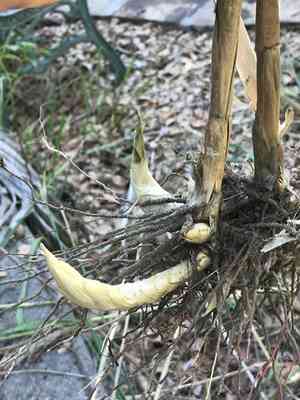
For vigorous development, relocate silk-reed once winter's cold recedes and prior to summer's peak. Select a bright location featuring soil that drains effectively. Provide sufficient room for its graceful expansionâessential for flourishing aesthetics.
Essential Preparations Before Relocating Silk-reed
Optimal Period for Relocating Silk-reed?
The prime time for moving silk-reed extends from early spring's awakening to the onset of summer's warmth. This timeframe allows silk-reed's root system to become firmly established in moderate conditions before flourishing in summer's vigor. By selecting this season of rejuvenation and development, silk-reed gains a head start in root growth with the benefit of milder weather, ensuring a strong, thriving presence in your garden.
Recommended Spacing Between Silk-reed Plants?
Hello, aspiring gardener! To provide your silk-reed plants ample room to thrive, aim to position them approximately 24-36 inches (61-91 cm) apart. This spacing will guarantee they have sufficient area for root expansion and beautiful development.
Ideal Soil Mixture for Silk-reed Relocation?
For your silk-reed, prepare a well-draining, loamy soil blend and enrich it with a balanced, slow-release fertilizer. This preparatory step will create a comfortable bed for the plants to settle into their new home.
Where to Replant Your Silk-reed?
Locate a sunny spot in your garden that receives a healthy 6 to 8 hours of daily sunlight. Silk-reed loves soaking up the sun, and the correct placement will help it flourish and bring you delight!
Equipment Needed Before Relocating Silk-reed?
Gardening Gloves
To safeguard your hands while handling soil and plants.
Spade or Shovel
For digging around and beneath the root ball of silk-reed.
Garden Fork
To loosen the soil surrounding silk-reed without harming its roots.
Watering Can or Hose
To hydrate silk-reed both before and after its relocation.
Pruning Shears
To trim any damaged roots or foliage prior to transplanting.
Wheelbarrow or Tarp
To move silk-reed from its original spot to the new planting location.
Measuring Tape
To gauge the root ball and the depth of the planting hole.
Stakes and Ties
To offer support to silk-reed in its new position if necessary.
How to Extract Silk-reed from the Soil?
How to Extract Silk-reed from the Soil?
From Ground: Hydrate the silk-reed plant to moisten the soil, facilitating easier digging. Use a shovel or spade to create a wide circle around the plant, taking care not to sever roots. Use the spade as a lever beneath the root ball to gently lift the plant from the ground.From Pot: Water the soil in the container beforehand. Carefully turn the pot on its side and gently tap the edges and bottom to loosen the root ball. Carefully slide the plant out while supporting the stem's base with your hand.From Seedling Tray: Water the seedlings to ensure root moisture. Gently push up from the cell's bottom or use a small tool to lift the plant out, being careful to support the root ball and avoid disturbing the roots.
Step-by-Step Guide for Relocating Silk-reed
Preparation
Gather all necessary tools and prepare the new planting site for silk-reed, ensuring it is clear and free of weeds.
Root Ball Size
Use the measuring tape to estimate the width and depth of silk-reed's root ball before digging it out, ensuring the new hole is appropriately sized.
Removal
Follow the removal procedure for silk-reed from its initial location, whether it's the ground, a pot, or a seedling tray.
Hole Digging
Excavate a hole in the new spot that is twice as wide and the same depth as silk-reed's root ball.
Placement
Gently lower silk-reed into the hole, ensuring it stands upright. The top of the root ball should be level with the surrounding soil surface.
Filling In
Carefully backfill the hole with soil, gently tamping down around the root ball to eliminate air pockets. Water thoroughly after planting.
Staking
If silk-reed is tall or in a windy area, use stakes and ties for support.
Post-Transplantation Care for Silk-reed
Watering
Provide sufficient water to silk-reed to help it establish in its new location. The soil should remain moist, but be cautious not to overwater.
Monitoring
Observe silk-reed for signs of stress, such as wilting or discolored leaves, and address any issues promptly.
Support Adjustments
Regularly check any stakes or ties to ensure they are not too tight and are providing adequate support.
Pruning
Remove any dead or damaged foliage to encourage new growth and maintain the plant's health.
Resolving Common Issues with Silk-reed Relocation.
How much space does silk-reed require between plants?
Ideally, position silk-reed plants approximately 24-36 inches (61-91 cm) apart. This provides ample room for growth.
What is the optimal time for relocating silk-reed?
The best period for moving silk-reed is during the pleasant days of early to late spring.
My silk-reed transplant appears wilted, what should I do?
Wilting often results from transplant shock. Water it gently and offer shade for a few days to aid its recovery.
Why are my silk-reed's leaves yellowing after relocation?
Yellowing may indicate stress. Ensure proper watering, spacing, and check for signs of pests or diseases.
How deep should the planting hole be for silk-reed?
The hole should be slightly larger than the root ball, but not deeper, to prevent settling and root rot.
Can I relocate silk-reed during summer or fall?
Moving silk-reed outside of early to late spring carries risks due to temperatures and seasonal plant stress.
How frequently should I water silk-reed after relocation?
Initially, water silk-reed every couple of days to assist root establishment, then adjust based on soil moisture.
Should I use fertilizer when relocating silk-reed?
It's best to wait until silk-reed has adapted before fertilizing. Afterward, use a balanced, slow-release fertilizer.
What if silk-reed isn't growing after relocation?
Patience is crucial. Ensure it has the right conditions and care; growth may take time as the root system develops.
How can I safeguard silk-reed transplants from pests?
Regularly inspect for pests, use appropriate organic pesticides if necessary, and maintain garden cleanliness to prevent infestations.



