How to Transplant Tobacco?
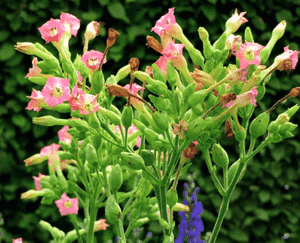
Relocating tobacco plants is best accomplished from early to mid-spring, as the elevated temperatures foster robust development. Select a sunny spot with good drainage for tobacco to flourish. Should it be required, provide bracing and shelter from powerful gusts of wind as the plant takes root. Enjoy your transplanting!
What Preparations are Needed Before Transplanting Tobacco?
What is the Ideal Time for Transplanting Tobacco?
The best time to move tobacco is from early to mid-spring, and again from late fall through late winter. These periods offer the most favorable conditions for tobacco, encouraging strong development and a bountiful yield. Give your tobacco the best start!
How Much Space Should You Leave Between Tobacco Plants?
For tobacco, ample room for growth is crucial. An ideal spacing of 18-24 inches (45-60 cm) between plants will promote good air circulation and prevent overcrowding.
What is the Best Soil Mix for Tobacco Transplanting?
To encourage optimal tobacco growth, prepare soil that drains well and is rich in organic matter. Before transplanting, enrich your soil with a foundational fertilizer like compost or aged manure to supply vital nutrients.
Where Should You Relocate Your Tobacco?
When selecting a spot for tobacco, choose a sunny area that receives at least 6 hours of direct sunlight daily. This will support vigorous growth and aid in natural pest management.
What Equipments Should You Prepare Before Transplantation Tobacco?
Gardening Gloves
To safeguard your hands while handling soil and plants.
Shovel or Spade
For digging holes and trenches for planting.
Trowel
Used for precise digging and planting tasks.
Watering Can or Hose
To hydrate the tobacco plant before and after its relocation.
Tape Measure or Ruler
To ensure correct spacing and depth for the planting hole.
Organic Fertilizer (optional)
To supply nutrients to the tobacco plant during and after its move.
How Do You Remove Tobacco from the Soil?
How Do You Remove Tobacco from the Soil?
From Ground: First, moisten the soil around the tobacco plant. Next, use a shovel or spade to dig a wide circle around the plant, ensuring the root ball stays intact. Carefully work the spade beneath the root ball to lift the plant from its original spot.From Pot: Water the potted tobacco until the soil is damp. Place your hand over the pot's top, with fingers supporting the stem's base, then gently invert the pot. Tap the pot's rim to loosen the root ball and soil, then carefully slide the plant out, keeping the root ball whole.From Seedling Tray: Dampen the soil in the seedling tray before removal. Gently hold the tobacco seedling stem between your thumb and forefinger. Use a pencil, chopstick, or similar tool to push up through the tray's drainage hole, carefully dislodging the tobacco seedling, ensuring the roots remain undamaged.
Step-by-Step Guide for Transplanting Tobacco
Site Selection
Pick a location with adequate sunlight and room for your tobacco plant to reach its full size.
Digging the Hole
Use a shovel or spade to create a hole at least twice as wide and the same depth as the plant's root ball. Measure the hole's dimensions with a tape measure or ruler.
Prepare the Hole (optional)
If desired, add a small amount of organic fertilizer to the hole to provide additional nutrients for the tobacco plant during its relocation.
Placing the Plant
Gently lower the tobacco plant into the hole, making sure its roots spread out comfortably. The top of the root ball should be level with the surrounding soil. Adjust the hole's depth if necessary.
Filling In Soil
Carefully backfill soil around the tobacco plant's root ball, ensuring no air pockets remain and firming the soil as you proceed.
Watering
Thoroughly water the planted area to settle the soil and ensure good contact between roots and soil.
How Do You Care For Tobacco After Transplanting?
Watering
Keep the soil around the tobacco consistently moist, but not waterlogged, for the initial weeks post-transplant to aid in root establishment.
Monitoring
Regularly inspect the tobacco plant for any indications of transplant shock or disease, such as wilting or yellowing. Address any issues promptly.
Mulching (optional)
Apply a layer of organic mulch around the tobacco plant's base to help maintain soil moisture and temperature, and to suppress weed growth.
Fertilizing (optional)
If you didn't use organic fertilizer during transplanting, consider applying a balanced fertilizer once the tobacco plant has settled to boost growth and overall health.
Troubleshooting Common Issues with Tobacco Transplantation.
When is the best time to transplant tobacco?
Ideally, you should move tobacco from early to mid-spring or from late fall to the end of winter. This ensures optimal root establishment and growth.
How should tobacco be spaced during transplanting?
Spacing is vital for tobacco's development. Aim for a gap of 18-24 inches (45-60 cm) between each plant to allow ample growth room.
What kind of soil does tobacco require for transplantation?
Tobacco thrives in fertile and well-drained soil. Soil that is too wet or too dry can impede its growth. Regular application of compost or manure will ensure healthy development.
How deep should the transplant hole be for tobacco?
The transplant hole for tobacco should be twice as wide and as deep as the root ball. This provides sufficient space for the roots to spread comfortably.
What's the proper way to remove tobacco from the current pot for transplantation?
Gently squeeze the pot's sides to loosen the soil and roots. Carefully tip the pot and ease the tobacco out to prevent root damage.
Do I need to water tobacco immediately after transplanting?
Yes, it's crucial to water tobacco generously right after transplanting. This helps the soil settle around the roots and minimizes transplant shock.
How can I ensure successful transplantation of tobacco if the weather is harsh?
You can create a temporary protective barrier around tobacco using a cloche or frost blanket if the weather becomes too severe or frost is expected.
What should I do if tobacco shows signs of wilting after transplanting?
Wilting might be due to transplant shock, but don't worry! Keep the soil moist and provide shade for a few days. Tobacco should recover quickly.
Should I prune tobacco after transplantation?
Pruning is generally not needed after transplanting tobacco. However, if you notice any damaged or diseased leaves, do prune them to maintain plant health.
How often should I fertilize tobacco after transplantation?
You should fertilize tobacco every 4-6 weeks during the growing season. Be careful not to over-fertilize as it can lead to excessive, unhealthy growth.



