How to Transplant Pinkladies?
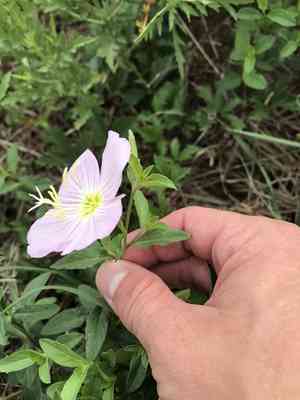
The most favorable period for relocating pinkladies is from mid-spring to early summer, as these months present ideal circumstances for development. Select a bright spot with soil that drains effectively. Should it be required, offer additional nurturing and focus throughout the relocation procedure, guaranteeing a flourishing, attractive specimen!
What Preparations are Needed Before Transplanting Pinkladies?
What is the Ideal Time for Transplanting Pinkladies?
The optimal period for relocating pinkladies falls between mid-spring and early summer. During this season, the plant experiences the most favorable growing conditions, boosting its chances of survival and overall health. For pinkladies, transplanting within this timeframe encourages denser blooms and more vivid colors, truly enhancing your landscape. This is nature's design, a path we should follow for a fulfilling gardening experience. So, act promptly, begin preparing your garden, your tools, and your pinkladies for this vital transplanting season!
How Much Space Should You Leave Between Pinkladies Plants?
When moving your pinkladies plants, provide them ample room to expand and flourish. Ideally, space them 12-18 inches (30-45 cm) apart for optimal outcomes!
What is the Best Soil Mix for Pinkladies Transplanting?
For your pinkladies plants, prepare a well-draining soil mixture enriched with organic matter. Remember to incorporate a slow-release, balanced fertilizer to support their development!
Where Should You Relocate Your Pinkladies?
Select a spot where your pinkladies plants will receive full sun to partial shade. Keep in mind their preference for sunlight, so brighter locations lead to happier plants!
What Equipments Should You Prepare Before Transplantation Pinkladies?
Gardening Gloves
To safeguard your hands while handling soil and plants.
Hand Trowel
For digging holes or trenches for planting in the ground.
Shovel or Spade
Used for excavating larger holes or trenches, especially when moving from the ground.
Pruning Shears
To trim any dead or damaged roots, stems, or leaves.
Watering Can or Hose
For hydrating the plant before and after relocation.
Organic Compost or Fertilizer
To supply nutrients to the soil and aid the plant in establishing itself in its new spot.
How Do You Remove Pinkladies from the Soil?
How Do You Remove Pinkladies from the Soil?
From Ground: First, water the pinkladies plant, then excavate a wide trench around it using a shovel or spade, ensuring the plant's root ball remains intact. Carefully work the spade beneath the root ball to lift the plant from its original position.From Pot or Container: Hydrate the pinkladies plant, then gently squeeze or tap the pot's sides to loosen the root ball. Hold the plant's base and tilt the pot, allowing the plant and root ball to slide out.From Seedling Tray or Cells: Water the pinkladies seedlings thoroughly. Use a hand trowel or small spoon to carefully scoop out individual seedlings, taking care not to harm their roots and leaves.
Step-by-Step Guide for Transplanting Pinkladies
Site Selection
Choose a location with suitable conditions for your pinkladies plant to reach its mature size.
Digging
Use a hand trowel or shovel to dig a hole in the ground, approximately twice as wide and deep as the pinkladies plant's root ball.
Preparation
Mix some organic compost or fertilizer into the soil at the bottom of the hole to provide nutrients to the plant during establishment.
Placement
Gently place the pinkladies plant's root ball into the hole, ensuring the top of the root ball is level with the soil surface.
Filling
Carefully backfill the hole with soil, gently pressing around the root ball to eliminate any air pockets.
Watering
Water the pinkladies plant thoroughly, allowing the water to settle the soil around the root ball.
Mulching
Adding mulch around the plant's base helps retain moisture and suppress weeds.
How Do You Care For Pinkladies After Transplanting?
Initial Watering
Keep the soil around the pinkladies consistently moist, but not waterlogged, for the first few weeks after transplanting to help establish strong roots.
Pruning
Remove any dead or damaged leaves or stems to prevent disease and encourage new growth.
Fertilizing
Apply an organic fertilizer approximately one month after transplanting to provide additional nutrients.
Monitoring & Protection
Keep an eye out for pests and diseases, addressing any issues promptly. Add a layer of mulch to help retain moisture, regulate soil temperature, and discourage weed growth. Provide support if the plant becomes too tall or heavy.
Troubleshooting Common Issues with Pinkladies Transplantation.
When is the best time of year to transplant pinkladies?
Relocating pinkladies is most effective from mid-spring to early summer. This allows them ample time to establish before winter.
What distance should I maintain while planting pinkladies?
You should ideally position pinkladies about 12-18 inches (30-45 cm) apart. This spacing provides sufficient room for growth and reduces competition for resources.
Is there any special soil preparation needed for pinkladies?
Prepare the soil with plenty of organic matter. Ensuring good drainage is also crucial to prevent roots from becoming waterlogged, which can lead to root rot.
Should I water pinkladies immediately after transplanting?
Yes, watering right after moving pinkladies helps settle the soil around the roots and lessens transplant shock.
Do pinkladies need a lot of sunlight?
Pinkladies thrive in full sun exposure. This is not only for growth but also helps produce vibrant blooms during the flowering season.
How deep should the planting hole be for pinkladies?
The hole should be twice as wide and just as deep as the root ball. Always ensure that the top of the root ball is level with the surrounding soil.
Do I need to apply any fertiliser when transplanting pinkladies?
You can add a slow-release fertilizer to the planting hole during transplanting. This supplies the pinkladies with nutrients for growth and bloom stimulation.
Why are the leaves on my transplanted pinkladies wilting?
Wilting after transplanting can indicate transplant shock. Ensure adequate watering and that the plant is not exposed to harsh conditions.
Can pinkladies be divided for propagation during transplantation?
Yes, certainly. Divide the plant at the root ball during transplantation. However, ensure each division has sufficient roots for establishment.
Is it advisable to prune pinkladies during transplantation?
Pruning just before transplanting can reduce stress on the plant. However, it's not strictly necessary and depends on the plant's size and condition.



