How to Transplant Sweet osmanthus?
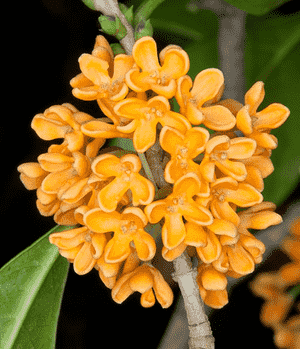
For a successful relocation of sweet osmanthus, the ideal period is from early to late spring, or late autumn to early winter. This timing facilitates extensive root development without causing undue strain to the plant. Select a site featuring soil that drains effectively and offers partial shade. Bear in mind that careful manipulation is crucial during the transplanting process to prevent harm to the roots.
What Preparations are Necessary Before Relocating Sweet Osmanthus?
When is the Optimal Time for Moving Sweet Osmanthus?
Ideally, you should move your sweet osmanthus during its blooming period in early to late spring, or alternatively, as late autumn transitions into early winter. This timeframe is highly beneficial because sweet osmanthus can maximize root growth before producing new shoots. Additionally, cooler temperatures lessen transplant shock, increasing the likelihood of sweet osmanthus establishing successfully. Remember, a minor alteration in sweet osmanthus's surroundings can significantly enhance your green space!
How Much Distance Should Be Maintained Between Sweet Osmanthus Plants?
When relocating sweet osmanthus, ensure they have ample room to expand! A spacing of 5-8 feet (1.5-2.4 meters) is recommended. This will guarantee sufficient area for them to thrive.
What is the Best Soil Mixture for Sweet Osmanthus Relocation?
For sweet osmanthus, soil that drains well is most effective. Incorporate organic matter such as compost or aged manure to enrich nutrient levels. A slow-release, balanced fertilizer (e.g., 10-10-10) at planting will also help your sweet osmanthus flourish.
Where Should You Replant Your Sweet Osmanthus?
Sweet osmanthus thrives in sunlight! Select a spot for your plant that receives full to partial sun throughout the day (at least 4-6 hours daily). This will ensure your sweet osmanthus grows robust and healthy.
What Tools Should You Prepare Before Relocating Sweet Osmanthus?
Gardening Gloves
Protects your hands while handling soil and the sweet osmanthus plant.
Shovel or Spade
Essential for extracting the sweet osmanthus plant from its original spot and replanting it elsewhere.
Garden Fork
Useful for loosening the earth around the plant.
Pruning Shears
To trim any damaged roots or overgrown branches of the sweet osmanthus plant.
Wheelbarrow or large bucket
For moving the sweet osmanthus plant from its initial location to the new planting site.
Watering Can
To hydrate the sweet osmanthus plant during and after its relocation.
How Do You Extract Sweet Osmanthus from the Soil?
How Do You Extract Sweet Osmanthus from the Soil?
From Ground: To remove the sweet osmanthus plant from the ground, begin by watering it a day prior to the planned move. This helps keep the root ball intact. The following day, dig a wide trench around the plant using a spade or shovel. Ensure the plant's root ball remains undisturbed. Carefully work the shovel beneath the root ball to lift the plant, avoiding root damage.From Pot: The sweet osmanthus plant can also be carefully removed from a pot. Water the plant thoroughly, then gently tilt the pot sideways and tap its base to slide the plant out.From Seedling Tray: When taking a sweet osmanthus seedling from a tray, water the seedlings first to facilitate removal. Then, cup your hand over the top of the plant and invert the tray to allow the plant to gently fall into your hand. Carefully separate the seedlings, ensuring each has a good amount of roots.
Step-by-Step Guide for Relocating Sweet Osmanthus
Prepare the New Location
The new planting site should be prepared in advance. The hole should be wide enough to accommodate the sweet osmanthus's current root system and deep enough to plant it at the same depth it was previously growing.
Carefully Remove sweet osmanthus from Its Original Spot
Follow the detailed removal process described above.
Replant sweet osmanthus
Once removed, immediately place the sweet osmanthus plant in the prepared hole. Backfill the hole with soil, gently firming it around the plant.
Watering
After replanting, thoroughly water the sweet osmanthus plant. This helps the soil settle around the roots and aids in recovery from root disturbance.
How Do You Care For Sweet Osmanthus After Relocation?
Watering
After moving sweet osmanthus, ensure the plant receives sufficient water. The initial few weeks are critical for root establishment, so the soil should be kept moist but not waterlogged.
Monitoring
Regularly observe the sweet osmanthus's development. Watch for any wilting or browning of leaves. If these symptoms appear, sweet osmanthus may need more or less sunlight, water, or it could be experiencing transplant shock.
Pruning
Any damaged parts of the sweet osmanthus should be trimmed to prevent disease and encourage new growth. However, pruning should be minimal in the first year after relocation to allow the plant to focus on root development.
Troubleshooting Common Issues with Sweet Osmanthus Relocation.
When is the best time to move sweet osmanthus?
Early to late spring or late fall to early winter is ideal for moving sweet osmanthus. This is when sweet osmanthus responds best to being relocated.
How much space should I leave between sweet osmanthus plants when moving them?
Ensure sweet osmanthus are spaced 5-8 feet (1.5-2.4 meters) apart. This provides them adequate room to grow without competing for nutrients.
What do I do if the sweet osmanthus's leaves are wilting after relocation?
Wilting is typically due to transplant shock. Maintain consistent watering and consider using a root stimulator to assist root establishment.
What's the best soil type for relocating the sweet osmanthus?
Sweet osmanthus prefers well-drained soil, slightly acidic to slightly alkaline. This gives it a better chance to establish and thrive.
What's the reason for sweet osmanthus not flowering after relocation?
This could be due to stress from moving. It should resume normal flowering once it settles into its new spot.
Should I prune sweet osmanthus plant before relocating?
Yes, trimming long, out-of-shape branches before moving can help the sweet osmanthus plant direct its energy towards root development.
What to do if the sweet osmanthus shows signs of disease after relocation?
If sweet osmanthus exhibits disease symptoms, remove any affected parts immediately. If necessary, apply an appropriate plant disease control product.
What size should the relocation hole be for the sweet osmanthus?
The hole should be twice the width and the same depth as the root ball. This helps roots spread in their new home.
How often should I water sweet osmanthus after relocation?
Initially, water every 2-3 days. After a few weeks, reduce to weekly. Adjust frequency based on your local climate.
What if the relocated sweet osmanthus doesn't seem to be growing?
Give it time. After a move, sweet osmanthus may focus energy on root development. Top growth often resumes after several weeks.



