How to Transplant Golden ragwort?
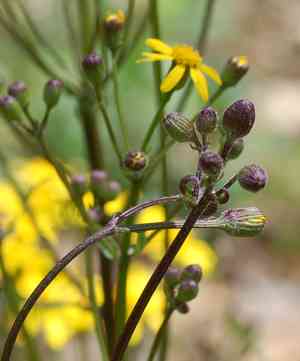
The most favorable period for relocating golden ragwort is during the pleasant conditions of mid-to-late spring or early summer, as the temperate climate aids in root development. Choose a location that retains moisture and offers ample shade, and verify the soil's fertility for this forest plant. Careful handling assists in the root's adjustment.
What Preparations are Needed Before Transplanting Golden Ragwort?
What is the Ideal Time for Transplanting Golden Ragwort?
The best time to plant golden ragwort is from mid-spring to early summer. This timing allows the roots to establish themselves before intense heat. Moving golden ragwort during this lush period helps it develop a strong root system, ensuring vigor and abundant blooms. Remember: use this window to give golden ragwort a great start!
How Much Space Should You Leave Between Golden Ragwort Plants?
For golden ragwort, a good spacing guideline for transplanting is about 1-1.5 feet (30-45 cm) apart. This provides ample room for growth. Take your time, don't rush, and recall the gardening adage: 'Space equals grace!'
What is the Best Soil Mix for Golden Ragwort Transplanting?
Prepare your soil base for golden ragwort with rich minerals and organic material. Incorporating some composted cow manure is even better! Utilize this homemade amendment as a foundation to give your plants a head start.
Where Should You Relocate Your Golden Ragwort?
Next, choose a spot for golden ragwort that receives full to partial sunlight. A helpful tip: If the area gets morning sun and some afternoon shade, that's perfect! Best of luck with your gardening endeavor!
What Equipments Should You Prepare Before Transplantation Golden Ragwort?
Gardening Gloves
These are essential for protecting your hands from dirt and potential injuries when removing the plant from its original spot and replanting.
Shovel or Spade
These tools are useful for digging around the plant in its initial location and for creating the new hole at the transplant site.
Pot (if required)
This is only necessary if you are moving the plant from the ground or a seedling tray into a container. Select an appropriate size to accommodate the plant's root system.
Watering Can
This will be needed to hydrate the golden ragwort plant both before and after the transplant.
Gardening Secateurs
These are for trimming off any damaged or diseased parts of the plant during the transplanting process.
How Do You Remove Golden Ragwort from the Soil?
How Do You Remove Golden Ragwort from the Soil?
From Ground: Begin by thoroughly watering the golden ragwort plant to moisten the soil, making removal easier. Using your spade or shovel, carefully dig a circular trench around the plant's base, ensuring it's wide enough to keep the root ball intact. Once the trench is dug, insert your spade beneath the plant and gently lift it from the ground to avoid unnecessary root damage. From Pot: If the golden ragwort plant is in a pot, water it well to loosen the soil. Then, tilt the pot slightly and carefully pull out the plant, supporting its base. Be gentle and avoid pulling by the stem. From Seedling Tray: If the golden ragwort plant is a seedling, be extra careful during transfer. Water the tray to loosen the soil, then gently ease out the seedling, supporting the root ball with your fingers.
Step-by-Step Guide for Transplanting Golden Ragwort
Preparation
Ensure the new site is ready and large enough to accommodate the root ball of your golden ragwort plant. The hole should be twice as wide and the same depth as the plant's root ball.
Plant Transfer
Gently place the golden ragwort plant into the hole, making sure the top of the root ball is level with the ground surface. Backfill the soil around the edges of the hole, gently firming it with your hands to remove any air pockets.
Watering
After transplanting, give your golden ragwort plant a thorough watering. Ensure the soil is adequately moist but be careful not to over-water and potentially drown the plant.
How Do You Care For Golden Ragwort After Transplanting?
Temperature
The golden ragwort plant prefers cooler temperatures, so if possible, avoid transplanting during peak summer. Early spring or late autumn are ideal seasons.
Pruning
Trim off any dead or damaged parts of the golden ragwort plant after transplanting; this will allow the plant to focus its energy on new growth.
Observation
Monitor your golden ragwort regularly, especially for the first few weeks post-transplant. Check soil moisture and leaf health. If you notice any significant changes in the plant's condition, take appropriate corrective actions.
Protection
Shield the newly transplanted golden ragwort from strong winds or heavy rains for a few weeks after the move.
Troubleshooting Common Issues with Golden Ragwort Transplantation.
What's the best season for transplanting golden ragwort?
The optimal period for moving golden ragwort is late spring to early autumn (S2-S4), ensuring the highest survival rate.
Is there an ideal spacing for golden ragwort during transplanting?
Yes, the perfect distance between each golden ragwort plant when transplanting is about 1 to 1.5 feet (30-45 cm), promoting healthy development.
Why are my golden ragwort plants wilting after being transplanted?
Transplant shock can cause wilting in golden ragwort. Minimize this by transplanting during S2-S4 and ensuring adequate watering.
How can I ensure the survival of golden ragwort during transplanting?
Water the golden ragwort generously before and after transplanting. Also, transplant during ideal seasons (S2-S4) to ensure survival.
Do I need to prune golden ragwort before transplanting?
Pruning isn't required before moving golden ragwort, but you can remove dead or weak stems to improve the plant's health.
My transplanted golden ragwort appears stunted, what could be the problem?
This might be due to insufficient spacing. Transplant golden ragwort approximately 1-1.5 feet (30-45 cm) apart to ensure mature growth.
What kind of soil is best for transplanting golden ragwort?
Golden ragwort thrives in well-drained, fertile soil. Amend the soil with compost or organic matter before transplanting for optimal results.
How deeply should I plant golden ragwort during transplantation?
The golden ragwort should be planted at the same depth it was originally growing. Never plant it deeper or shallower.
Are there any special care instructions for golden ragwort after transplanting?
After transplanting, water your golden ragwort regularly but avoid waterlogging. Mulching can be beneficial for retaining soil moisture and controlling weeds.
How long does it take for golden ragwort to establish after transplanting?
It typically takes golden ragwort several weeks to a few months to fully establish, depending on the growing conditions and care provided.



