How to Transplant Corn poppy?
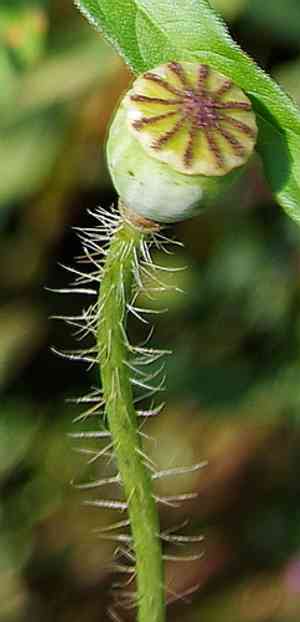
The ideal period for relocating corn poppy is in early spring as temperatures begin to rise. Select a bright spot with soil that drains effectively for optimal development. Ensure moderate watering and provide ample distance between individual plants for them to flourish. Enjoy your transplanting!
Essential Preparations Before Relocating Corn Poppy
Optimal Period for Relocating Corn Poppy?
Early spring marks the ideal window for moving your corn poppy. This time signifies the end of dormancy, making it prime for development. By transplanting in early spring, your corn poppy will have ample opportunity to establish itself before warmer weather arrives. This timing provides corn poppy an advantage, maximizing its flowering potential. Therefore, let's leverage nature's rhythm to ensure a robust, vibrant corn poppy by initiating our transplanting efforts this spring!
Recommended Spacing Between Corn Poppy Plants?
When relocating corn poppy, aim for a separation of approximately 6-8 inches (15-20 cm) between plants. This will provide sufficient room for their growth and flourishing without becoming overcrowded.
Ideal Soil Mixture for Corn Poppy Relocation?
For corn poppy, we suggest utilizing well-draining, loamy soil enriched with compost. A slow-release, balanced, granular fertilizer can be incorporated into the soil to supply additional nutrients.
Where to Replant Your Corn Poppy?
Select a site for corn poppy that receives full sunlight, as they require at least 6 hours of daily sun exposure for optimal growth. Ensure the area is shielded from strong winds for best development.
Equipment Needed Before Transplanting Corn Poppy?
Gardening Gloves
To safeguard your hands while working with soil and potentially sharp implements.
Garden Spade or Shovel
These will be used for excavating holes and extracting the corn poppy plant from its original spot.
Watering Can or Hose
You'll need to supply corn poppy with water immediately following its relocation.
Garden Pruner
For trimming any damaged roots or foliage prior to transplant.
Trowel
Excellent for detailed tasks, useful for digging up small plants or creating minor depressions.
How to Extract Corn Poppy from the Soil?
How to Extract Corn Poppy from the Soil?
From Ground: Start by irrigating the corn poppy plant to soften the earth. Using a garden spade, dig around the plant, ensuring the root ball remains intact. Gradually work the spade beneath the root ball, lifting gently to remove the plant from the ground.From Pot: Water the plant to moisten the soil in the container for easy removal. Tilt the pot sideways while carefully pulling out the corn poppy plant. If it's stuck, run a knife or trowel along the inner edge of the pot to loosen the plant.From Seedling Tray: Water the tray before removal. Using a trowel or spoon, gently scoop out the seedling without disturbing its roots. Make sure to start from the edge of the seedling to prevent any unnecessary harm to the plant.
Step-by-Step Guide for Relocating Corn Poppy
Site Preparation
Prepare the new location by using a spade to dig a hole deep and wide enough to accommodate the corn poppy plant's root ball. The hole should be twice as wide as the root ball and equally deep.
Plant Examination
Inspect the corn poppy plant for any indications of disease or pests. Use a garden pruner to remove any compromised or infected roots or leaves.
Positioning
Place the plant in the hole, ensuring the top of the root ball is level with the ground surface. The plant should not be positioned too deeply or too shallowly.
Backfill
Fill the surrounding hole with soil, gently firming it around the root ball to eliminate any air pockets.
Watering
Water the corn poppy plant generously immediately after transplant to minimize relocation stress.
Post-Transplant Care for Corn Poppy
Watering
Maintain optimal moisture levels around the corn poppy plant, especially during the initial weeks. Be careful not to waterlog the soil.
Pruning
Pruning might be necessary for the first few weeks to remove dead or weak parts and encourage new growth.
Monitoring
Keep a close watch for any pests, diseases, or signs of transplant shock such as wilting or leaf drop. If these symptoms appear, seek advice from a local nursery or extension service.
Feeding
Wait a few weeks before fertilizing your corn poppy plant to avoid the risk of root burn. Use a balanced liquid fertilizer according to the recommended dosage.
Resolving Common Issues with Corn Poppy Relocation.
When is the best time to move my corn poppy?
Relocate your corn poppy during early spring as temperatures rise. The changing season stimulates growth.
What is the ideal distance between each corn poppy during relocation?
Space is crucial - provide each corn poppy with a 'personal zone' of about 6-8 inches (15-20 cm). This ensures proper development.
Is it necessary to trim corn poppy before relocating?
No, corn poppy does not require trimming before relocation. However, do remove any withered or dead parts that might hinder growth.
At what depth should corn poppy be relocated?
Dig a hole twice the size of the root ball to ensure corn poppy settles comfortably. This promotes robust root development.
How should I prepare the soil for relocating corn poppy?
Ensure the soil is well-draining and enriched with organic matter. Corn poppy thrives in rich, well-aerated soil.
How frequently should I water corn poppy after relocation?
Moisture is vital after relocation. Water corn poppy thoroughly and maintain this until the plant has established itself.
What should I do if my newly relocated corn poppy shows signs of wilting?
Wilting might indicate shock. Maintain optimal watering and allow it time. If wilting persists, consider checking for diseases or pests.
Do I need to support my corn poppy after relocation?
Since corn poppy is quite sturdy, it doesn't require additional support after relocation unless exposed to strong winds or adverse weather conditions.
Why are my corn poppy leaves turning yellow after relocation?
Yellowing might be due to overwatering or a nutrient deficiency. Check the soil condition and adjust your irrigation and fertilization practices accordingly.
How can I safeguard my relocated corn poppy from pests?
Regularly inspect your corn poppy for insects. If an infestation occurs, consider using an organic or chemical pest control product.



