How to Transplant Bahiagrass?
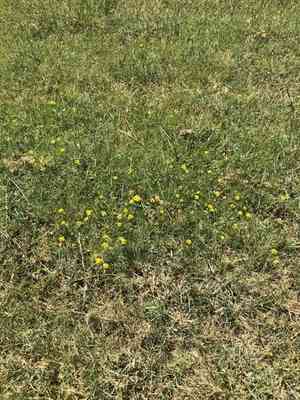
The optimal period for relocating bahiagrass is from late summer through mid-autumn, leveraging the temperate weather for root development. Choose bright areas featuring soil that drains effectively. A delicate approach is crucial; refrain from disturbing the roots to preserve the bahiagrass's strength.
What Preparations are Needed Before Transplanting Bahiagrass?
What is the Ideal Time for Transplanting Bahiagrass?
The optimal period for relocating bahiagrass is during the warmth of late summer extending into the gentle start of early to mid-fall. This timing aligns with bahiagrass's natural growth cycle, offering a window for root establishment prior to winter. By transplanting within this supportive timeframe, you provide bahiagrass with the advantage of cooler temperatures and sufficient rainfall, both vital for root development. This strategic timing ensures bahiagrass enters dormancy with a robust foundation, ready for vigorous spring growth.
How Much Space Should You Leave Between Bahiagrass Plants?
When moving your bahiagrass, ensure each plant has ample room to expand. Ideally, your bahiagrass should be positioned approximately 6-12 inches (15-30 cm) apart. This spacing will allow the roots to spread out and the plant to flourish.
What is the Best Soil Mix for Bahiagrass Transplanting?
Your bahiagrass thrives in well-drained soil, preferably a sandy or clay type. Before transplanting, prepare your soil by incorporating a foundational fertilizer rich in nitrogen. This will supply essential nutrients for your bahiagrass to grow healthily.
Where Should You Relocate Your Bahiagrass?
Choose a location with full sun exposure for your bahiagrass. These plants generally prefer areas where they can absorb at least six hours of direct sunlight daily. So, select a bright spot for them to thrive!
What Equipments Should You Prepare Before Transplantation Bahiagrass?
Gardening Gloves
To protect your hands while handling soil and plants.
Shovel
For digging up the plant from its original spot. Can also be used to excavate the new hole.
Gardening Trowel
Ideal for removing smaller plants from containers or seedling trays.
Wheelbarrow
Useful for moving the bahiagrass from one location to another.
Watering Can
Crucial for ensuring the plant receives adequate water throughout the transplanting process.
Organic Mulch
Helps retain soil moisture and reduce weed growth after transplantation.
How Do You Remove Bahiagrass from the Soil?
How Do You Remove Bahiagrass from the Soil?
From Ground: Before you begin, ensure the soil around the bahiagrass is damp, which can facilitate its removal. Then, carefully dig a wide trench around the plant using a shovel. Make sure the root ball remains intact during this process. Gently work your shovel beneath the root ball to lift the plant out, keeping the roots undisturbed.From Pot: Start by thoroughly watering the bahiagrass so the plant will slide out of the pot more easily. Turn the pot sideways, hold it gently, and tap the bottom to loosen the plant. Slowly, slide out the bahiagrass plant, keeping the root ball intact.From Seedling Tray: Moisten the soil well in advance. Hold the base of the bahiagrass stem carefully and push the bottom of the cell or cube upwards to remove each seedling. Handle seedlings by their leaves to prevent damage to the stem.
Step-by-Step Guide for Transplanting Bahiagrass
Hole Preparation
Excavate a hole that is twice the width and the same depth as the bahiagrass's root ball. It must be broad enough to allow the roots to spread naturally.
Planting
Position the bahiagrass in the hole, ensuring the top of the root ball is level with the ground surface.
Backfilling
Refill the area around the bahiagrass plant's root ball with the same soil you removed, gently firming it around the base of the plant.
Watering
Thoroughly water the bahiagrass plant after transplanting. This aids in settling the soil around the roots and minimizing transplant shock.
Mulching
Apply a layer of organic mulch around the plant's base, leaving a small gap around the stem. This helps maintain soil moisture and reduces weed competition.
How Do You Care For Bahiagrass After Transplanting?
Watering
Ensure the soil remains consistently moist for at least the initial few weeks after transplanting the bahiagrass to promote strong root establishment.
Mulching
Replenish mulch as necessary to conserve moisture and deter weeds.
Protecting
If the newly planted bahiagrass is still young or fragile, consider using a plant guard or similar structure to offer some defense against pests or strong winds.
Troubleshooting Common Issues with Bahiagrass Transplantation.
What is the best season to transplant bahiagrass?
The ideal time to transplant bahiagrass is during late summer to early autumn (S6-S8). This allows the plant to establish its root system before the colder months.
What spacing should be maintained while transplanting bahiagrass?
Maintain a spacing of approximately 6-12 inches (15-30 cm) which provides ample growing room and reduces competition for nutrients and sunlight.
What is the importance of the soil type when transplanting bahiagrass?
Bahiagrass thrives best in well-drained soil. While this plant can perform well in various soil types, it's crucial that the soil is not excessively waterlogged.
What sunlight conditions are ideal for bahiagrass transplanting?
Bahiagrass prefers full sunlight. Although it can tolerate partial shade, abundant sunlight promotes optimal growth and health.
How frequently should I water my bahiagrass after transplant?
Initially, water your bahiagrass daily to help it establish. Once established, watering frequency can be reduced depending on weather and soil conditions.
How quickly can I expect bahiagrass to establish after transplanting?
With proper care and conditions, bahiagrass begins to show new growth within 1-2 weeks. Full establishment typically takes a few weeks to several months.
Why are my transplanted bahiagrass yellowing?
Yellowing could indicate waterlogging or a nutrient deficiency. Ensure your soil is well-drained and consider applying a balanced fertilizer.
What temperature conditions are ideal when transplanting bahiagrass ?
Bahiagrass prefers warmer temperatures, ideally between 70-90 degrees Fahrenheit (21-32°C). It can tolerate a broad range of temperatures, but growth slows in cooler conditions.
What should I do if my transplanted bahiagrass isn't showing new growth?
Check the sunlight exposure, spacing, watering routine, and nutrient supply. Test your soil as pH levels or nutrient deficiencies might hinder growth.
Should I prune or mow my transplanted bahiagrass?
Bahiagrass has a spreading habit and can benefit from regular mowing or pruning to maintain its shape and encourage denser growth.



