How to Transplant Common passionfruit?
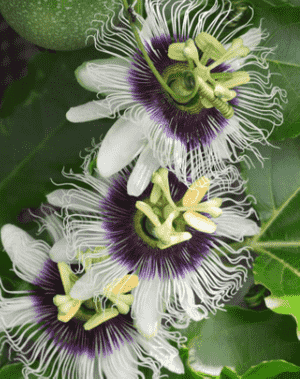
Relocate common passionfruit preferably in the balmier period of late spring. This period guarantees peak development. Select a bright spot with soil that drains effectively and provide a structure for climbing, such as a trellis. Bear in mind, meticulously moving common passionfruit will aid in cultivating a robust, productive specimen.
Preparations Required Before Relocating Common Passionfruit
Optimal Timing for Common Passionfruit Relocation?
The best time to move common passionfruit is during 'the latter part of Spring'. This period allows common passionfruit ample time to acclimate before summer's heat. Transplanting then promotes robust root development and enhanced fruit yield. Remember, common passionfruit thrives with a smooth transition!
Recommended Spacing Between Common Passionfruit Plants?
When transplanting common passionfruit, ensure sufficient room for growth by placing them approximately 8-12 feet (2.4-3.7 meters) apart. This spacing supports healthy development and minimizes crowding.
Ideal Soil Mixture for Common Passionfruit Transplanting?
Prior to relocating common passionfruit, prepare the soil with a well-draining, fertile loamy mix. Incorporate a foundational fertilizer such as compost or aged manure to further enrich the soil, supplying vital nutrients for its growth.
Optimal Location for Your Common Passionfruit?
Select a sunny location for common passionfruit. Confirm it receives at least 6 hours of daily sunlight, with some afternoon partial shade. This will provide prime conditions for its growth and fruit production.
Equipment to Prepare Before Transplanting Common Passionfruit
Gardening Gloves
To safeguard your hands while handling soil and the common passionfruit plant.
Shovel or Spade
For excavating holes and trenches for the transplanting process.
Pruner or Scissors
To trim any lifeless or damaged roots, foliage, or stems.
Watering Can or Hose
To hydrate the common passionfruit plant following its relocation.
Compost
To supply nutrients to the common passionfruit plant during transplantation.
Mulch
To maintain moisture and inhibit weed growth around the common passionfruit plant.
Stakes or Supports
To stabilize the common passionfruit plant after transplanting (optional).
Method for Extracting Common Passionfruit from the Soil?
Method for Extracting Common Passionfruit from the Soil?
From Ground: First, irrigate the common passionfruit plant to moisten the soil. Next, excavate a wide trench around the plant using a shovel or spade, ensuring the plant's root ball remains intact. Carefully maneuver the spade beneath the root ball to lift the plant from its original spot.From Pot: Hydrate the common passionfruit plant to dampen the soil. Gently rock the pot from side to side, applying slight pressure to the container's sides to loosen the root ball. Grasp the stem's base and carefully slide the root ball out of the pot, taking care not to harm the roots.From Seedling Tray: Water the seedlings to moisten the soil. Utilize a spoon or small trowel to scoop out the seedling, making sure to include the surrounding soil and root system. Handle the seedling by its leaves, not its delicate stem.
Step-by-Step Guide for Relocating Common Passionfruit
Preparation
Prepare the new planting site by digging a hole twice as wide and as deep as the common passionfruit plant's root system. Incorporate some compost into the bottom of the hole for added nutrients.
Root Trimming
Use pruners or scissors to remove any damaged or circling roots from the common passionfruit plant. This encourages healthy root development after transplanting.
Placing the Plant
Position the common passionfruit plant into the hole, ensuring the top of the root ball is level with the surrounding soil. Spread out the roots to encourage them to grow into the soil.
Backfilling
Gently refill the hole with the excavated soil, lightly tamping it down around the root ball to eliminate air pockets. Water the common passionfruit plant thoroughly to help the soil settle.
Mulching
Apply 2 to 3 inches of mulch around the common passionfruit plant, keeping it a few inches away from the stem to prevent rot and pest issues.
Staking (Optional)
If your common passionfruit plant requires additional support, install stakes or a trellis at this point, being careful not to damage the roots.
Post-Transplant Care for Common Passionfruit
Watering
Maintain consistent moisture in the soil around the common passionfruit, avoiding sogginess, for the initial weeks after transplanting to aid in root establishment.
Pruning
Remove any dead or damaged leaves or stems from the common passionfruit plant to encourage improved growth and air circulation.
Feed
Apply slow-release fertilizer to the base of the common passionfruit plant as per package instructions, typically 6 to 8 weeks after transplanting.
Monitor
Regularly inspect the common passionfruit plant for any indications of stress, pests, or disease, and address them promptly with suitable measures.
Resolving Common Issues with Common Passionfruit Transplantation.
When is the best time of year to transplant common passionfruit?
The ideal period to transplant common passionfruit is in late spring. The warming weather provides optimal conditions for growth.
How much space do I need to leave between transplants of common passionfruit?
When transplanting common passionfruit, you should allow a distance of 8-12 feet (2.4-3.7 meters) between each plant to facilitate healthy growth.
What are some signs of successful transplantation of common passionfruit?
A successfully transplanted common passionfruit will show vigorous growth, new shoots, green foliage, and eventually flower and fruit production.
What type of soil is ideal for common passionfruit transplanting?
Light, well-drained soil enriched with organic matter is perfect for transplanting common passionfruit. Avoid heavy, waterlogged soils as common passionfruit dislikes excessive moisture.
What are the key steps to transplant common passionfruit?
First, prepare the transplant site in late spring. Then, carefully remove the common passionfruit from its current pot. Avoid damaging the root system. Finally, place common passionfruit in its new location, providing the appropriate spacing.
Why is my transplanted common passionfruit not showing any growth?
Lack of growth after transplant could be due to several factors: unusual weather conditions, poor soil quality, insufficient watering, or damage during transplantation. Always exercise care when moving common passionfruit.
Why are the leaves on my transplanted common passionfruit yellowing?
Yellow leaves might indicate over-watering, poor drainage, or nutrient deficiency. Check the soil condition, watering routine, and consider a suitable fertilizer.
How should I water my transplanted common passionfruit?
Consistent, moderate watering is crucial post-transplant. Soil should be moist, but not waterlogged. Adjust watering based on weather conditions. Overwatering or underwatering can harm common passionfruit.
Should I use a fertilizer after transplanting common passionfruit?
While not mandatory, a slow-release fertilizer can help support common passionfruitâs growth after transplant. Wait about a week post-transplant before applying.
How can I prevent transplant shock in common passionfruit?
To prevent transplant shock in common passionfruit, avoid damaging roots during transplant, provide adequate water, and protect from harsh weather conditions. You can also use a transplant solution to boost root growth.



