How to Transplant Parsnip?
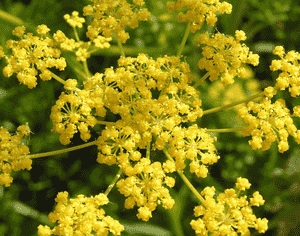
Relocate parsnip plants within the optimal period of early to mid-spring, since this timeframe fosters robust root growth. Select a bright spot featuring soil that drains effectively. Should it be required, offer gentle shade to juvenile plants. Bear in mind, a thriving parsnip begins with a successful relocation!
What Preparations are Needed Before Transplanting Parsnip?
What is the Ideal Time for Transplanting Parsnip?
Choose the period from late winter's end to mid-spring as the optimal time for relocating your parsnip. These seasons offer cooler soil, which is beneficial for parsnip's development. Transplanting during this window supports robust growth and increased yields. Your parsnip will thrive!
How Much Space Should You Leave Between Parsnip Plants?
When transplanting your lovely parsnip, provide ample room for growth by spacing them 12-18 inches (30-45 cm) apart. This ensures they receive all necessary nutrients to flourish!
What is the Best Soil Mix for Parsnip Transplanting?
Before relocating your parsnip, prepare well-draining soil enriched with organic compost or a slow-release granular fertilizer. This will provide your parsnip with a nutrient-rich environment to establish and grow!
Where Should You Relocate Your Parsnip?
Select a garden spot for your parsnip that receives full to partial sun exposure. They enjoy ample sunlight, and a well-lit location will keep them content and healthy as they mature!
What Equipments Should You Prepare Before Transplantation Parsnip?
Garden Trowel
To excavate small holes for the parsnip plants during transplantation.
Gardening Gloves
To safeguard your hands while handling the plant and soil.
Watering Can
For ensuring the plant receives sufficient hydration during and after the transplant.
Organic Compost
To enrich the new planting site and stimulate root development.
Mulch
To retain moisture and inhibit weed growth post-transplanting.
How Do You Remove Parsnip from the Soil?
How Do You Remove Parsnip from the Soil?
From Ground: To extract parsnip from the ground, gently water to soften the surrounding soil. Using a trowel, carefully dig around the plant, taking care not to harm the roots. Gradually work beneath the root ball and lift the plant gently.From Pot: If parsnip is growing in a pot, begin by watering it adequately. Tilt the pot sideways, while carefully sliding the plant out, ensuring not to pull or break the stem. If the plant seems stuck, tap the pot's sides to loosen the soil.From Seedling Tray: If parsnip is growing in a seedling tray, water it first. Use a gardening stick or a fork to carefully lift the seedling from the tray. Remember to be very gentle to avoid damaging the delicate roots.
Step-by-Step Guide for Transplanting Parsnip
Site Preparation
Clear the chosen area of any weeds or debris. Dig a hole deep and wide enough to accommodate the parsnip's root ball. Place a layer of organic compost at the bottom of the hole.
Placing the Plant
Carefully lower parsnip into the hole. Its uppermost roots should be level with the ground. Fill the hole halfway with garden soil, then water until the soil settles around the roots.
Fill The Hole
Finish filling the hole with soil, tamping gently. Ensure no roots are exposed and the plant is firmly upright in the soil.
Watering
Water parsnip generously to aid its establishment. Avoid waterlogging.
Mulch
Apply a layer of mulch around the plant, but not touching the stem, to help retain moisture.
How Do You Care For Parsnip After Transplanting?
Monitoring
Observe parsnip closely for the initial few days. Wilting is normal immediately after transplanting, but persistent wilting may indicate an issue.
Watering
Ensure that parsnip's soil remains moist but not saturated. Increase watering frequency during dry periods.
Feeding
After one month, apply a balanced, slow-release fertilizer to encourage parsnip's growth. Do not fertilize immediately after transplanting.
Weeding
Regularly inspect and remove any weeds growing near parsnip to minimize competition for nutrients.
Troubleshooting Common Issues with Parsnip Transplantation.
When is the best time to transplant parsnip?
Ideally, relocate your parsnip between early to mid-spring. Temperatures and soil conditions are optimal during this period.
What is the optimal distance to plant parsnip apart?
A good guideline is to space your parsnip approximately 12-18 inches (30-46 cm) apart. This provides ample room for growth and health.
What should I do if the parsnip wilts after transplanting?
Wilting can signal difficulty adapting to the new environment. Ensure the parsnip is adequately watered after transplanting, but avoid overwatering.
How can I encourage healthier root development in my parsnip?
Loosening the soil around the transplant holes can promote better root expansion. Also, consider adding a root growth stimulant for an extra boost.
My transplanted parsnip has yellowing leaves, what does this mean?
Yellowing leaves can be a symptom of overwatering or nutrient deficiency. Make sure your parsnip isn't excessively watered and the soil contains necessary nutrients.
Why aren't my transplanted parsnips growing at the same rate?
Not all plants develop uniformly. Variations in sunlight exposure, soil composition, or moisture content can lead to inconsistent growth rates.
What size should the plant hole be when transplanting parsnip?
The hole should be wide and deep enough to accommodate the entire rootball of the parsnip. They thrive best when roots are not restricted.
Should I fertilize my parsnip right after transplanting?
It's not necessary to fertilize immediately. Allow your parsnip to acclimate to its new surroundings. When new growth appears, consider a slow-release fertilizer.
What to do if my transplanted parsnip is experiencing pest infestation?
Identify the specific pests and use organic or chemical pesticides as appropriate. For preventative measures, regular inspection and maintaining plant health can deter pests.
Can I transplant my parsnip to a pot or container?
Yes, you can. Just ensure the pot is sufficiently large for its growth and has good drainage. Remember to adjust watering as containers dry out faster.



