How to Transplant Creeping phlox?
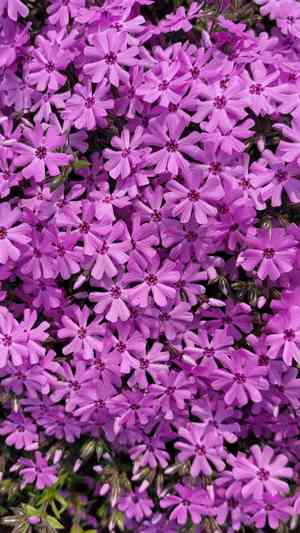
Relocating creeping phlox is ideal in the invigorating period of early spring, as fresh development commences. Position it in a location offering excellent drainage and ample sunlight. Bear in mind, carefully loosening the root mass assists creeping phlox in adapting smoothly to its new environment.
What Preparations are Needed Before Transplanting Creeping Phlox?
What is the Ideal Time for Transplanting Creeping Phlox?
The optimal time to move creeping phlox is in early spring. This period allows them sufficient time to establish before the summer heat. Early relocation promotes growth in warmer weather and maximizes bloom potential, creating a vibrant color display.
How Much Space Should You Leave Between Creeping Phlox Plants?
When relocating your creeping phlox, ensure ample room for growth. Position them approximately 12-15 inches (30-38 cm) apart to provide adequate space for spreading and flourishing.
What is the Best Soil Mix for Creeping Phlox Transplanting?
For creeping phlox, prepare your soil with a well-draining mixture rich in organic matter, and incorporate a slow-release balanced fertilizer (such as 10-10-10) to nourish the plants throughout the growing season.
Where Should You Relocate Your Creeping Phlox?
To provide your creeping phlox with the best environment, select a sunny location in your garden. They require at least 6 hours of daily sunlight to thrive, so choose an area that receives ample light throughout the day.
What Equipments Should You Prepare Before Transplantation Creeping Phlox?
Gardening Gloves
To safeguard your hands from soil and potential injuries while handling the plant and earth.
Spade
This tool will be used to excavate soil around the plant, for removal from its original spot and for replanting in a new location.
Trowel
A useful implement for smoothing soil and making minor adjustments around the newly transplanted creeping phlox plant.
Bucket/Wheelbarrow
For carefully transporting the plant during the transplant process.
Watering Can
Essential for hydrating the creeping phlox plant at every stage of the procedure.
How Do You Remove Creeping Phlox from the Soil?
How Do You Remove Creeping Phlox from the Soil?
From Ground: Begin by watering the creeping phlox plant to moisten the soil. Using a spade, carefully dig around the plant, ensuring the root ball remains intact. After circling the plant, insert the spade beneath the root ball and gently lift the plant from the ground, then transfer it to a bucket or wheelbarrow.From Pot: First, water the plant in its container. Then, tilt the pot sideways and gently tap it to loosen the creeping phlox plant. Hold the base of the plant and carefully slide it out with the soil and roots undisturbed.From Seedling Tray: Saturate the tray with water, allowing it to sit briefly to soften the soil. Gently lift the creeping phlox seedlings one by one using a small trowel or your fingers.
Step-by-Step Guide for Transplanting Creeping Phlox
Plant Preparation
Water the creeping phlox thoroughly at its current location an hour or so before you intend to transplant it. This will facilitate easier removal and reduce stress during the relocation.
Hole Preparation
Dig a hole approximately twice as wide and as deep as the creeping phlox plant's root ball using a spade. The hole should be large enough to accommodate the roots without bending or crowding.
Placing the Plant
Carefully position the creeping phlox plant into the hole. The top of the root ball should be level with the surrounding soil surface. Backfill around the root ball with soil.
Finishing Touches
Gently press the soil down around the creeping phlox plant to eliminate any air pockets. Water the plant thoroughly to help settle it into the soil.
How Do You Care For Creeping Phlox After Transplanting?
Watering
Maintain consistently moist, but not waterlogged, soil for the plant during the initial weeks post-transplant, as this promotes new and robust root development.
Mulching
Mulch is beneficial for keeping the soil around your newly transplanted creeping phlox plant cool and moist. A 2-3 inch layer of mulch around the plant, but not touching the stem, is adequate.
Protecting
Shield your creeping phlox plant from harsh weather conditions such as extreme sun or wind until its roots are established.
Observing
Closely monitor your newly transplanted creeping phlox plant to ensure it is adapting well to its new environment. Remove any wilted or dead foliage, as these can deplete the plant's energy.
Troubleshooting Common Issues with Creeping Phlox Transplantation.
When is the best time for transplanting creeping phlox?
The optimal period for replanting creeping phlox is in early spring, immediately after the cold weather subsides.
How much space should I allocate for each creeping phlox plant when transplanting?
Ensure to provide ample room for each creeping phlox, ideally a minimum of 12-15 inches (30-38 cm).
How much sunlight does creeping phlox require after being transplanted?
Creeping phlox thrives in full sun. Secure a location with at least 6 hours of sunlight for healthy growth.
What type of soil is appropriate for transplanting creeping phlox?
Creeping phlox performs best in well-drained, neutral to slightly alkaline PH soil. Overly acidic soil should be avoided.
How should I water creeping phlox after transplanting?
Water creeping phlox regularly after transplanting until fully established. Avoid over-saturation to prevent root rot.
I transplanted creeping phlox but it doesn't seem to be growing. Why?
This could be due to improper spacing, water supply, sunlight, or soil conditions. Properly troubleshoot these elements for better growth.
Why are the leaves of my transplanted creeping phlox turning yellow?
Yellowing leaves could indicate too much water or nutrient deficiency. Evaluate your watering routine and check the soil.
Should I fertilize creeping phlox after transplanting? When and how?
Yes, use a slow-release granular fertilizer once right after transplanting to boost creeping phlox's growth. Follow instructions on the fertilizer package.
What should I do if pests attack my transplanted creeping phlox?
Identify the pest, then apply an appropriate eco-friendly pesticide or introduce beneficial insects. Regularly spraying the plant with water can also prevent pests.
Why has my transplanted creeping phlox become less vibrant and compact?
This could be a result of insufficient sunlight, space, or nutrients. Ensure creeping phlox's needs are being met for it to maintain its vibrant and compact shape.



